

Updated September 2025: We have updated the article with new information on advancements in assistive technology for seniors, including AI-powered smart glasses, brain-controlled prosthetics, and autonomous wheelchairs. Additional updates highlight improved user-centered design, increased funding and insurance support for advanced technologies, and recent trends in rehabilitation and market growth for mobility solutions.
Independent Living Lincoln: Meeting the Needs of a Growing Senior Community
As the demand for senior housing solutions increases in Lincoln, Nebraska, the city’s population aged 65 and over is growing at least four times faster than any other age group. According to the Lincoln Vital Signs 2022 Report, this demographic shift underscores the necessity for well-planned independent living environments that cater to the unique needs of aging residents.
Demographics & Needs of Lincoln’s Aging Population
Lincoln’s senior population is expanding rapidly, bringing with it a diverse array of needs and challenges. Physically, common conditions like mobility disabilities and cognitive decline affect many elderly residents. As reported by the DHHS Nebraska – Disability in Nebraska Report Card 2021, approximately 6% of seniors in Nebraska report ambulatory difficulties, while 4.6% experience difficulties living independently. The socio-economic reality also paints a notable picture: nearly a quarter of seniors live alone, increasing the requirement for accessible and supportive living environments. Recent studies confirm that advances in assistive technology—including smart, AI-enabled devices—are becoming essential tools to address these challenges and enhance everyday independence for older adults.[1][2]
Types of Independent Living Options in Lincoln, NE
Lincoln offers several independent living facilities designed to provide not just housing, but a community for seniors. Options include Asher Point Independent Living and Carriage Glen Independent Living, both of which offer amenities that cater to maintaining well-being and social engagement. Residents at The Waterford at Williamsburg particularly appreciate the vibrant schedule of activities, which is crucial for sustaining social ties and mental health. According to SeniorLiving.org, these activities are vital for community engagement.
Costs and Financial Planning for Independent Living
The financial aspect of independent living is a significant consideration for many seniors and their families. In Lincoln, costs range from $3,000 to $4,350 per month, necessitating thoughtful financial planning and consideration of available support programs. According to the Nebraska Department of Health and Human Services – State Aging Plan Report 2022, understanding the local economic landscape, particularly in areas with higher poverty rates, is crucial for effective financial planning. Programs are available to assist seniors experiencing financial challenges, ensuring they have access to quality living options. Emerging policy shifts and increased emphasis on funding for advanced assistive technology solutions—including insurance coverage for devices like smart wheelchairs and AI-powered wearables—are expanding access and support for independent living. Charitable organizations and advocacy campaigns are further raising awareness and funding for these innovations.[3][5]
Integrating Mobility Solutions: The Role of Adaptive Equipment and Furnishing
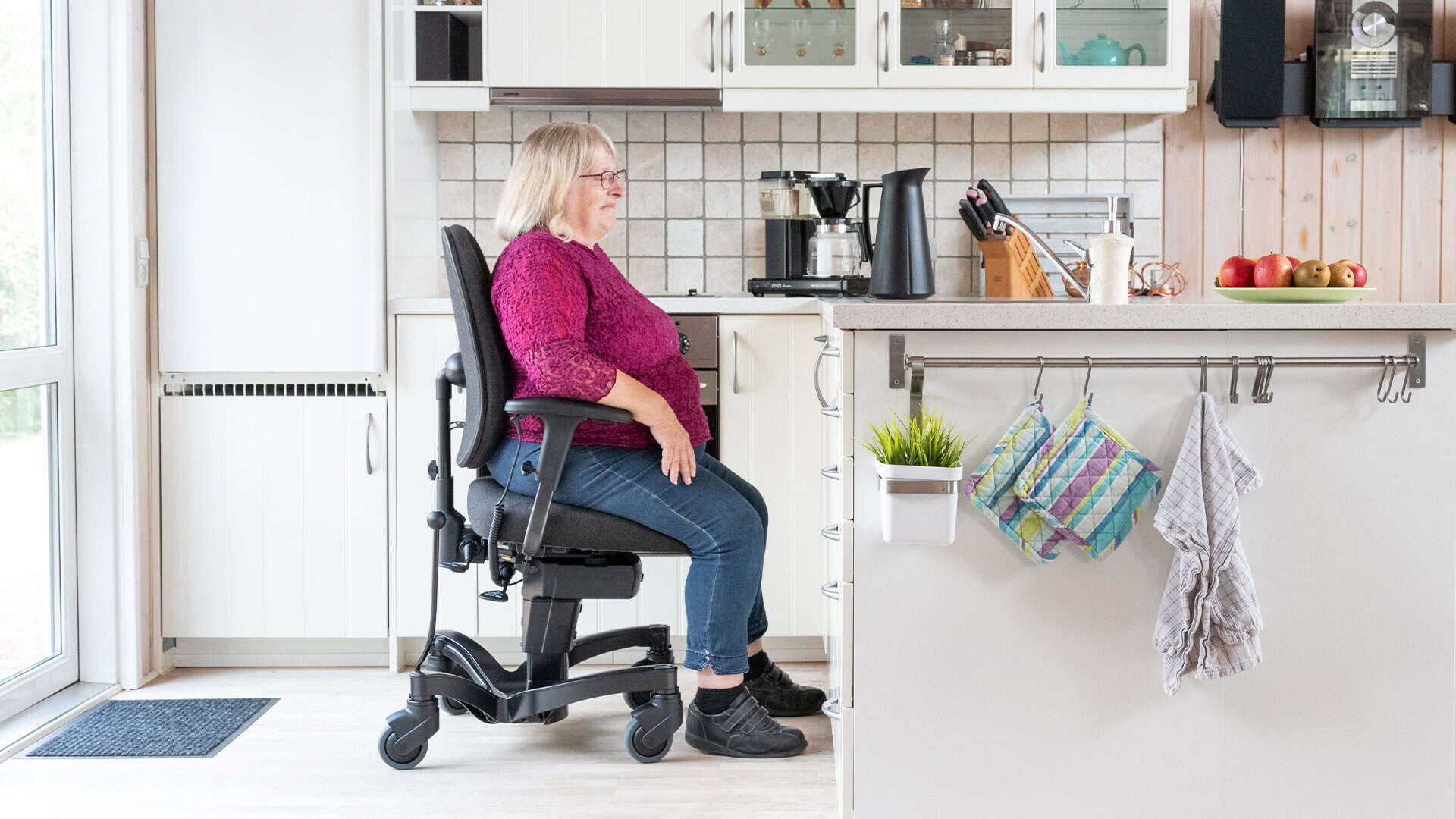
As the needs of older adults increasingly focus on maintaining independence within their homes rather than transitioning to nursing facilities, adopting solutions like mobility chairs becomes imperative. VELA offers a medically approved mobility chair specifically designed for home use, providing enhanced safety and freedom of movement while seated. This chair supports daily activities, such as cooking, dressing, and transferring, while reducing the burden on informal caregivers. It helps seniors perform essential tasks independently, thus promoting a sense of autonomy and confidence in everyday life.
Additionally, recent developments in assistive technology have introduced AI-powered smart glasses for real-time recognition, brain-computer interface prosthetics, and smart wheelchairs that feature autonomous navigation. These innovations are designed with ergonomic user-centered principles and intuitive interfaces, resulting in upgraded function, safety, and an easier learning curve for seniors and caregivers alike.[1][2][6]
Clinical studies report high levels of user satisfaction with advanced solutions such as robotic self-feeding devices among individuals with upper extremity limitations, further validating the practical value of modern assistive technologies in daily living.[6]
Supporting Aging in Place: A Practical Option
Remaining in the comfort of one’s home while aging is an aspiration many seniors share, and tools like VELA Chairs can make this a viable reality. With features such as a central brake for safety, electric height adjustability, and ease of movement, these chairs address crucial safety and mobility challenges faced by seniors. Now, with the introduction of smart mobility aids—including AI-driven and robotic solutions—aging in place has become even more achievable and sustainable.[1][3]
Such innovations not only make daily activities like cooking and cleaning more manageable but also help preserve energy for more enjoyable pursuits, such as social visits or personal hobbies. By enhancing safety and reducing caregiver burden, VELA enables seniors to defer a move to a nursing home, thus maintaining their dignity and freedom. Though not the only solution, VELA offers a proven, practical means of supporting aging in place, enhancing everyday life for seniors in Lincoln and beyond. Increasing options, backed by policy support and robust clinical evidence, mean older adults today can select from a wider range of adaptive and smart solutions than ever before.[6] For more information on these solutions, see mobility chairs that support elderly independence.