

Updated February 2026: We have updated the article to include the latest advancements in assistive technology, such as AI-driven exoskeletons, autonomous smart wheelchairs, attachable wheelchair boosters, wearable exoskeletons, smart navigation glasses, and trends from CES 2026. The update highlights how these innovations, as well as developments like Mobility-as-a-Service and brain-computer interfaces, are enhancing independence and accessibility for individuals with disabilities. New authoritative sources from 2025-2026 have been added.
Understanding Independent Living LLC’s Mission and Vision
Independent Living LLC stands at the forefront of community-based residential services for individuals with intellectual and developmental disabilities. Its mission is both straightforward and profound: to empower these individuals to live independently and with dignity in their communities. By creating a supportive and nurturing environment, the organization enables residents to realize their potential and reinforces the importance of dignity in everyday living. According to Independent Living LLC’s official website, their commitment to providing tailored support services is a cornerstone of their operations. This approach is embodied in their adaptive programs and personalized care plans that are critical for fostering a community where independence and respect form the core ethos.
Comprehensive Services for Individuals with Intellectual and Developmental Disabilities
Independent Living LLC provides a spectrum of services specifically tailored to meet its clients’ unique needs. Offering services such as Applied Behavior Analysis (ABA) and community participation support, the organization focuses on enhancing personal autonomy and community integration. Their Direct Support Professionals, trained in current care standards, play a crucial role in delivering personalized care, ensuring that clients receive support customized to their evolving needs. Each service is designed not only to meet regulatory standards as set by the Pennsylvania Department of Human Services but also to uphold a quality of care that speaks to the organization’s deep-rooted commitment to its clients.
Enhancing Mobility and Independence in Community Homes
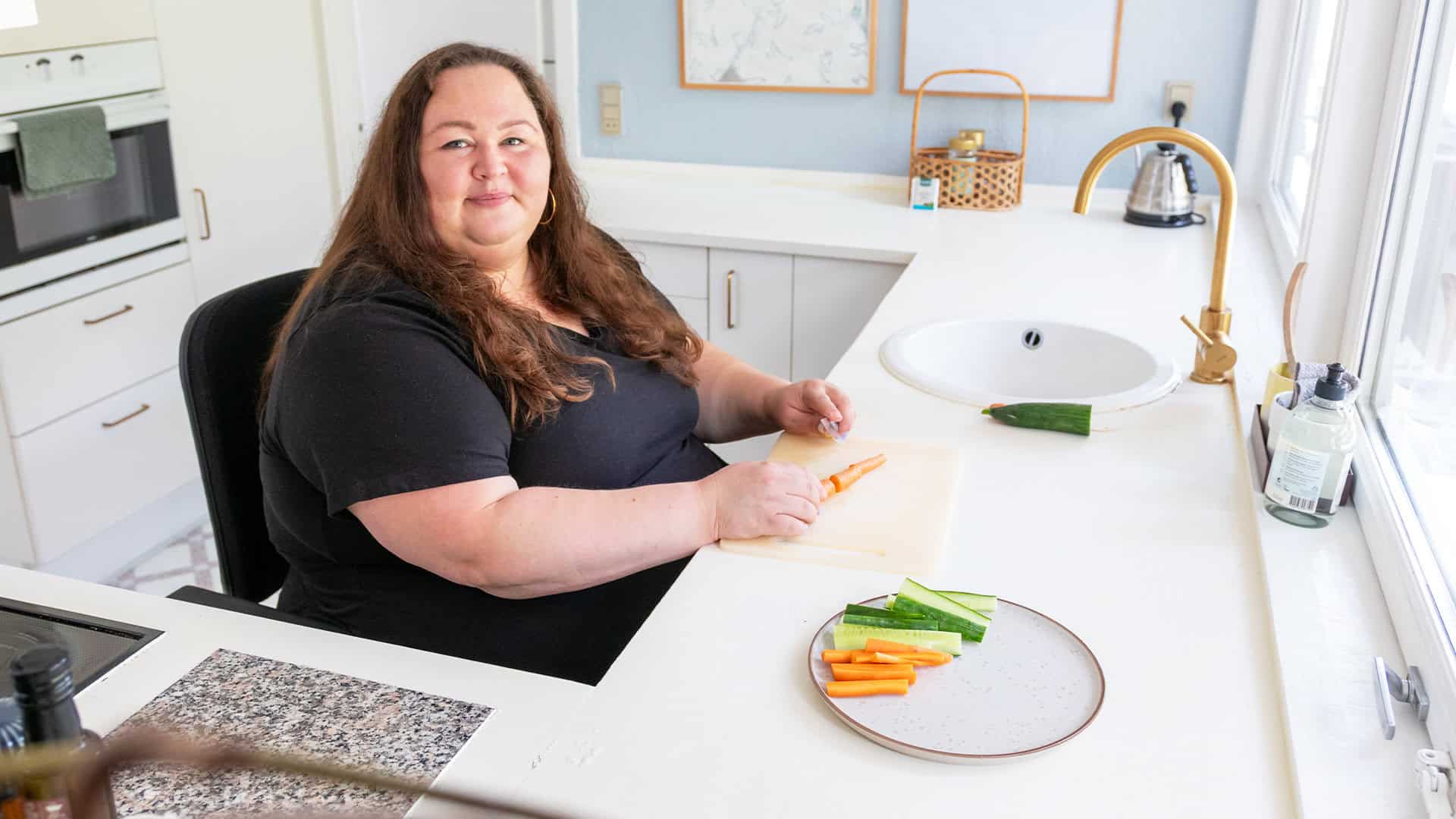
In addressing the challenges associated with nursing homes, Independent Living LLC recognizes the importance of solutions that help older adults maintain independence in their own homes. VELA chairs, a medically-approved mobility solution, offer a proactive approach to this goal. These chairs provide enhanced safety and freedom of movement while seated, supporting daily activities such as cooking, dressing, or transferring. By reducing the physical burden on informal caregivers, VELA chairs champion autonomy for residents, illustrating how advanced mobility aid can facilitate greater involvement in everyday life tasks, thereby contributing to improved quality of life.
Applied Behavior Analysis Approach to Supporting Independence
Independent Living LLC utilizes Applied Behavior Analysis (ABA) as a cornerstone of its strategy to support client independence. This method involves systematic interventions to help individuals develop essential communication and behavior management skills, enhancing personal growth and creating a harmonious living environment. Success stories from these interventions highlight their efficacy: one client, for example, mastered new communication techniques that significantly reduced stress and improved relationships at home. This aligns with the broader goal of ABA—to empower individuals with essential life skills through structured and supportive methods.
The Role of Community-Based Support Services in Promoting Independence
Independent Living LLC exemplifies how community-based support services profoundly impact individuals with intellectual and developmental disabilities. By integrating comprehensive care approaches with innovative mobility solutions like Mobility Solutions for Home, the organization not only promotes independence but also elevates clients’ overall quality of life. As the landscape of residential care evolves, person-centered and adaptive services are critical. Independent Living LLC stands as a beacon of this philosophy, championing the autonomy and dignity of individuals in their community homes, as noted by authoritative sources such as the Independent Living Research Utilization (ILRU).
Recent Innovations in Assistive Technology and Inclusive Design
The field of assistive technology has advanced rapidly since 2025, introducing dynamic, AI-enhanced devices that power new levels of user independence for those with disabilities. Robotics and artificial intelligence are increasingly integrated into mobility equipment, ushering in a new era of smart, adaptive solutions.
Wearable, AI-driven exoskeletons now support both mobility and rehabilitation, enabling more intuitive control and aiding recovery for individuals with paralysis or limited movement. Autonomous wheelchairs, such as those utilizing lidar navigation systems from leading companies like LUCI and Adventus Robotics, offer precise obstacle detection and safer, hands-free navigation. These advancements allow for greater adaptability in complex environments and are available both as integrated solutions and retrofits for existing wheelchairs.
CES 2026 spotlighted several breakthrough products: the XSTO X12 all-terrain power chair, capable of stair climbing and navigating difficult terrains; WheelMove, an attachable wheelchair booster scheduled for release mid-2026, which upgrades standard wheelchairs with power-assist features; and MaaS-Bridge, a Mobility-as-a-Service platform designed to connect users to accessible transport pickups directly via their assistive devices.
Vision and environmental accessibility have also progressed. AI glasses such as iSee and Microsoft Seeing AI provide real-time vision interpretation and scene description for navigation, reducing social isolation and supporting greater personal autonomy. AI-powered smart prosthetics, pressure-monitoring features to help prevent pressure ulcers, and voice-controlled devices further illustrate how users now benefit from enhanced support, communication, and safety.
Other innovations include brain-computer interfaces (BCIs) – trialed by Neuralink and other research initiatives – which allow direct device control through neural activity, setting new possibilities for users with severe motor limitations. Policy experts and disability advocates underscore the rapid pace of innovation and call for insurance and funding systems to keep pace with new, often more costly, but life-changing solutions.
These developments reflect a shift from static aids to dynamic, user-centric technology, supporting inclusive product development and evolving best practices in rehabilitation. Professionals and caregivers should be aware of this changing landscape to make evidence-based recommendations and ensure clients have access to the most effective and empowering tools available.
Authoritative sources on these recent innovations include: CES 2026: 4 Assistive Technology Exhibitors to Watch; Exciting Assistive Technology for People with Disabilities; AI and Assistive Tech: Key Advancements in Accessibility; Assistive Technology for Physical Disabilities – A Complete Guide; and CES 2026 Highlights: Accessibility Meets Innovation.
How Mobility Solutions Like VELA Make a Difference
Exploring alternatives to nursing homes, mobility solutions like VELA chairs play a crucial role in enabling the elderly and individuals with disabilities to remain independent at home longer. The VELA chair’s features, like a central brake for safety and electric height adjustability, significantly address daily home challenges. These features allow individuals to manage tasks such as cooking, cleaning, and personal transfers with ease, enhancing safety and reducing strain. The mobility offered while seated facilitates a seamless integration of everyday activities, promoting a dignified and autonomous lifestyle. With such supportive measures, transitioning to nursing home care can often be postponed, offering individuals the dignity and freedom to age in place comfortably. VELA chairs exemplify Senior Chair Solutions that balance independence with essential support, highlighting their practical benefits in everyday living scenarios.
Authoritative Sources
- CES 2026: 4 Assistive Technology Exhibitors to Watch
- Exciting Assistive Technology for People with Disabilities
- AI and Assistive Tech: Key Advancements in Accessibility
- Assistive Technology for Physical Disabilities – A Complete Guide
- CES 2026 Highlights: Accessibility Meets Innovation (YouTube)
- The Best Assistive Tech Gadgets in 2025: Enhancing Independence Through Innovation – ThinkBeyondTheChair.org
- What’s Next for 2025: The Future of Assistive Technology & AI Assistants – LetsEnvision.com
- Top 5 Assistive Technologies Showcased at CSUN 2025 – InnoCaption.com
- 2025 Special Issue on Advancements and Innovations in Technology – Journal of Visual Impairment & Blindness (JVIB)
- World Assistive Technology (AT) Day 2025 – Lumibility
- Assistive Tech Trends in 2026 Every Special Needs Teacher Should Know – Asian College of Teachers
- Accessibility Innovations at CES 2026 – Consumer Technology Association (CTA)
- Assistive Technology Industry Association (ATIA)