

Updated January 2026: We have updated the article with the latest advancements in AI-powered smart mobility aids, robotics for daily tasks, cutting-edge fall detection and prevention technologies, multimodal wearables, AR/VR rehabilitation, and enhanced digital accessibility trends highlighted at CES 2026. Additional insights include the adoption of AI-integrated devices, robotic companions, smart glasses, and new 2026 accessibility recommendations.
Empowering Marion’s Seniors: A Guide to Independent Living
Independent living in Marion, Indiana, gains prominence as it addresses the needs of a rapidly growing senior population. Ensuring these seniors have access to diverse and suitable living arrangements is paramount. According to SeniorLiving.org, seniors constitute 36.6% of Marion’s population, highlighting the critical demand for tailored living options. Furthermore, Marion County houses 8,209 senior units, making up 68.4% of the regional total, as detailed in the IHCDA Central Indiana Regional Supplement.
Understanding independent living options in Marion, Indiana
When exploring independent living options in Marion, seniors and their families discover a host of facilities tailored to their needs. Typically, these facilities offer services such as meals, housekeeping, and social activities, providing an environment of convenience and engagement. Residents in Marion’s five senior living facilities actively participate in community events and enjoy on-site medical support, contributing to their overall well-being. According to State of Aging in Central Indiana, such arrangements help mitigate the isolation often experienced by seniors, promoting a healthier, more connected lifestyle.
Who are Marion’s seniors? A demographic insight
Marion’s senior demographic is diverse and dynamic. Age-wise, seniors are distributed as follows: 12.7% in their 50s, 11.3% in their 60s, 7.9% in their 70s, and 4.7% aged 80 and above. Marion’s ethnic composition includes a majority of White seniors alongside Black, Asian, and Hispanic minorities. Economically, the seniors’ median income ranges from $43,349 to $54,007, with a high homeownership rate of 59-72%, as reported by Data USA.
Socioeconomically, living alone is prevalent among this age group, particularly among women and minorities. Alarmingly, seniors of color experience poverty at rates almost triple those of their White counterparts. State of Aging in Central Indiana underscores the necessity for affordable living solutions and economic support, as more than one-third of older adults live alone.
Key features and costs of Marion’s independent living facilities
Marion’s independent living facilities vary in cost, from $1,500 to $3,500 per month, depending on services and amenities offered. Subsidized options are available, making them accessible to those with lower incomes. Amenities typically include meal plans, transportation, and health services, providing a comprehensive care package. As per the Indiana Housing and Community Development Authority (IHCDA), approximately 48.3% of these units are subsidized, ensuring a broad reach and accessibility.
Residents frequently express satisfaction with the affordability and value offered by local facilities. Testimonials highlight the peace of mind provided by attentive staff, group activities, and the convenience of on-site medical support, illustrating the enriching community atmosphere that these facilities foster.
Enhancing independence through assistive technology in Marion
Major breakthroughs in assistive technology are redefining how older adults in Marion maintain their independence at home and in the community. The latest AI-powered smart mobility aids, such as adaptive wheelchairs with stair-climbing features (for example, XSTO’s all-terrain models) and long-range wheelchair attachments like WheelMove, showcased at CES 2026, are advancing well beyond traditional walkers and wheelchairs. These new devices incorporate technology such as autonomous braking, GPS navigation, and predictive fall prevention powered by machine learning, resulting in significantly reduced fall risks and greater confidence for users.
Sources: Mobility Management,
All Seniors,
Age in Place Technology.
Robotics are now supporting daily tasks and companionship, with emerging robotic companions helping to reduce loneliness and assist with reminders or daily routines. Wearable devices equipped with multimodal sensors and real-time fall detection not only alert caregivers instantly, but many now use predictive analytics to help prevent falls before they happen. These solutions, combined with continuous health monitoring, are transforming home-based care and increasing peace of mind for seniors and their families.
Sources: All Seniors,
Accessibility.com.
Notable advances now also include smart glasses that offer real-time navigation guidance and AI-generated captions in various environments for users with vision or hearing loss (Age in Place Technology). Digital accessibility tools and voice-activated interfaces, in line with stricter standards like WCAG 2.2, are now more widely available and adopted by seniors for everyday communication, shopping, and navigating both digital and physical spaces.
Sources: Accessibility.com,
Onsman.com.
Rehabilitation now increasingly relies on AR/VR technologies for home-based mobility and balance training, with 5G and IoT connectivity enabling real-time remote monitoring and feedback from healthcare professionals. These tools not only facilitate more engaging and effective recovery but also allow for more personalized and adaptive rehabilitation.
Source: All Seniors.
Seniors and caregivers benefit from these next-generation tools, many of which are developed in close consultation with users themselves. The focus is rapidly shifting from static, stand-alone devices toward proactive, personalized solutions powered by artificial intelligence and supported by wearables and smart environments, making independent living safer and more achievable than ever before.
Sources (including past references): Let’s Envision Blog; Innocaption; First Aid For The Blind Blog; Journal of Visual Impairment & Blindness; Asian College of Teachers; ATIA.org.
Policy support and challenges for independent living
Policy and regulation as of 2026 increasingly recognize the transformative role of state-of-the-art assistive technologies in supporting independent living. While there are no major recent policy changes, there are notable trends toward stricter digital accessibility requirements (such as WCAG 2.2), wider adoption of ethical AI practices, and growing emphasis on inclusive design for all new assistive devices. National and industry standards reinforce the importance of user-centered design, international collaboration, and robust product quality, promoting equal participation and accessibility for all. However, enduring challenges, such as staffing shortages, gaps in professional training, and service confusion, continue to affect educational and rehabilitation supports for seniors and people with disabilities. Continuing advances in both infrastructure and professional expertise remain essential to maximize the potential of the latest assistive technologies.
Sources: National Assistive Technology Public Policy Update; ATIA.org; Accessibility.com; Onsman.com.
Supporting aging in place: A practical option
How mobility solutions like VELA make a difference
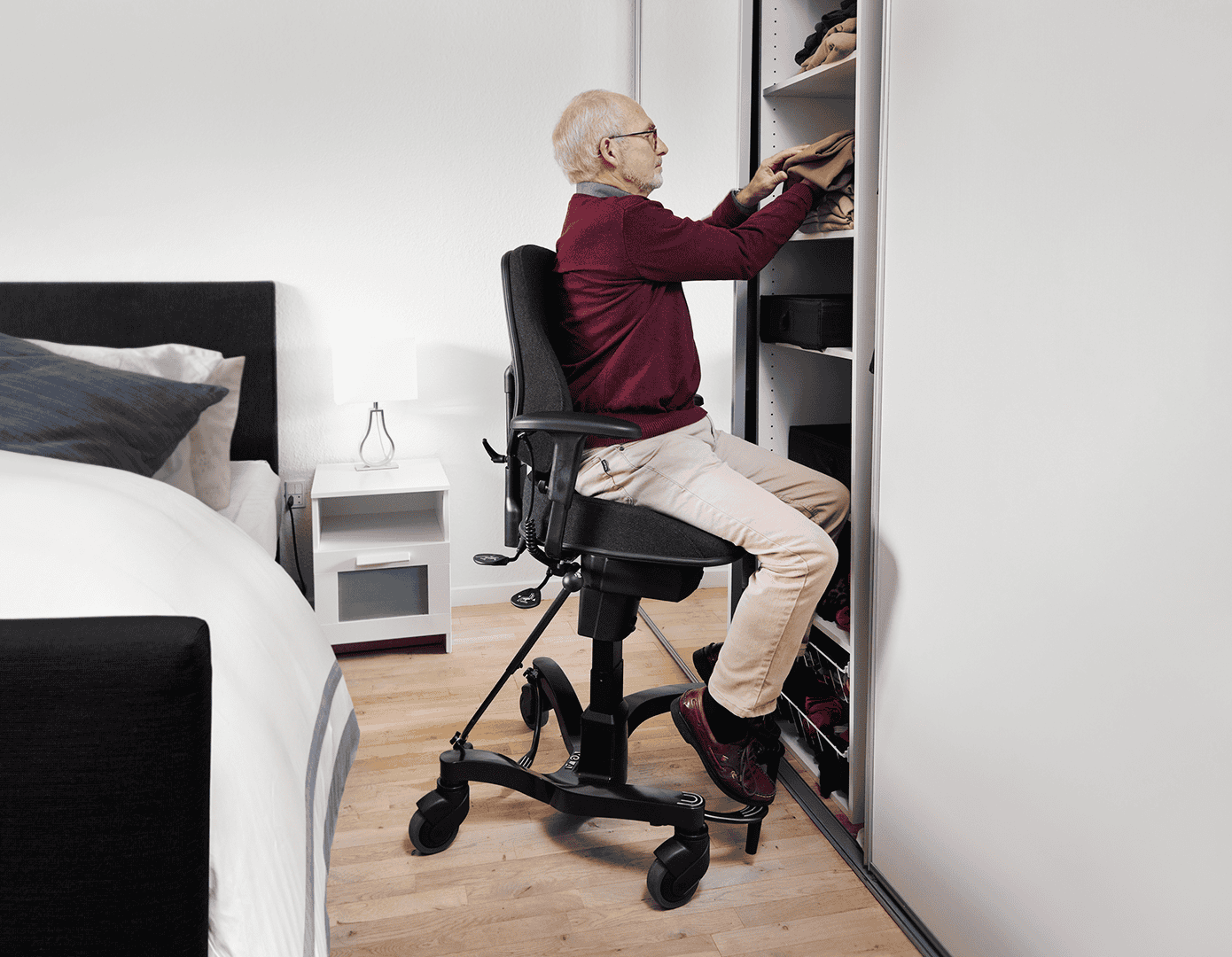
VELA Chairs shine as a viable tool for seniors wishing to stay independent in their homes, providing significant benefits that may delay the necessity of a move to nursing homes. Their features, such as a central brake for safety and electric height adjustability, cater to safety and ease of movement. Seniors gain energy efficiency in tasks like cooking and cleaning, resulting in dignified, autonomous daily lives. With these chairs, individuals can seamlessly engage in everyday activities, ensuring their homes remain accessible and supportive environments. While not the only solution on the market, VELA represents a proven and practical option, marrying technology with compassionate caregiving. For more insights on how resources like VELA enhance living conditions, check out Independent Living Solutions for Seniors.