

Updated January 2026: We have updated the article with Missouri’s latest Assistive Technology Reimbursement (ATR) Program for K-12 students, expanded funding and device loan initiatives for seniors, 2026 digital accessibility mandates for public agencies, and the newest trends in AI-powered assistive tech, wearables, and inclusive rehabilitation. The content now reflects holistic policy changes, state-funded access to devices, adaptive technologies, and ergonomic, user-centered design approaches for independent living in Maryville, MO.
Empowering Independence for Seniors in Maryville: Exploring Independent Living Options
As the appeal of independent living options continues to grow in Maryville, MO, it’s essential to explore the array of choices available for seniors and their families looking to maintain autonomy and a vibrant lifestyle. With 14.53% of Maryville’s population aged 65 or older, understanding senior living solutions resonates deeply with community needs. According to the Missouri Department of Health & Senior Services, independent living facilitates a blend of cost-effective residence with access to needed resources while preserving personal freedom.
Understanding Independent Living Options in Maryville, MO
Independent living communities offer a tailored approach to senior residency, distinguishing themselves from assisted living by emphasizing autonomy with minimal personal care. Unlike assisted living, which provides more intensive caregiving, independent living is ideal for seniors who are largely self-sufficient but seek a supportive environment. Maryville’s strategic offerings cater to this balance, with community services promoting independence through group activities and personal growth opportunities.
For instance, Oak Pointe at Maryville provides a communal environment where seniors can engage in activities such as art classes, book clubs, and fitness programs, fostering both independence and social engagement. These communities align well with the Missouri Department of Health & Senior Services commitments to senior welfare by supporting seniors’ independence and quality of life.
Demographic Trends and Elderly Care Needs in Maryville
Maryville’s demographics underscore an aging population facing familiar challenges including chronic conditions like hypertension and diabetes, paralleling national health trends as noted by the CDC. Socio-economic factors, primarily tied to middle-income residents relying on Social Security and retirement savings, further influence the choice of senior living arrangements.
A notable example is the case of Mr. John Smith, a local retiree who planned his transition to Oak Pointe by leveraging financial planning services available in Maryville, demonstrating the importance of strategic financial management in senior living decisions. These services often assist seniors in navigating complex financial situations, ensuring they maintain both health and financial stability.
Top-Rated Independent and Assisted Living Communities
Prominent among Maryville’s senior living options are Oak Pointe and Provision Living, celebrated for enriching amenities and personalized care plans. According to feedback from A Place for Mom, Oak Pointe features private apartment living, memory care units, and an active social calendar, enhancing resident engagement and quality of life.
Personal stories, such as residents enjoying pet-friendly accommodations and robust wellness programs, illustrate a high quality of life and have received positive reviews highlighting Oak Pointe’s family-like atmosphere and attentive staff, which greatly contributes to resident satisfaction.
Cost, Amenities, and Local Programs in Maryville
Financial considerations are crucial when evaluating senior living options, with Maryville’s offerings averaging around $3,088 per month. Comprehensive facilities like Oak Pointe can command up to $4,680 monthly, reflective of their extensive service offerings. Amenities typically include fitness classes, routine social gatherings, and meal plans that account for dietary preferences.
Importantly, unique local programs such as memory care initiatives emphasize mental stimulation and community connection, enriching residents’ lives. For example, Oak Pointe organizes regular memory care workshops aimed at improving cognitive health, which are integral to resident well-being.
Advances in Assistive Technology for Independent Living
The landscape of assistive technology for seniors and those with mobility impairments has evolved rapidly, providing greater independence and an improved quality of life. Modern innovations now available for residents in Maryville include:
- AI-powered smart wheelchairs featuring autonomous navigation, obstacle detection, real-time health monitoring, and voice or gesture controls, offer safer and more intuitive movement for users, making navigation within homes and public spaces easier and reducing the risk of accidents.
KeywayMedical.com; AbilityMT.org - Brain-computer interface (BCI) prosthetics, which allow users to control prostheses using brain signals, provide more natural and adaptive hand or limb movement, restoring functionality for individuals following injury or amputation.
ThinkBeyondTheChair.org; PMC - Robotic exoskeletons designed to support walking and rehabilitation for individuals with severe physical disabilities, facilitating both mobility and muscle conditioning with personalized, AI-guided therapeutic routines.
KeywayMedical.com - AI-enhanced smart glasses equipped with real-time object recognition, text-to-speech functionality, navigation assistance, and facial identification for visually impaired users, substantially increasing autonomy in daily activities.
ThinkBeyondTheChair.org; ATOB - Smart mobility aids and modular upgrades, such as adaptive canes and sensor-driven seat cushions with smart pressure monitoring to prevent injuries, make it possible to upgrade existing devices instead of replacing entire systems—supporting cost efficiency and customization.
EqualAccessibility.co - Inclusive ergonomic design is reflected in modern adaptive input devices, including customized keyboards, adaptive mice, and improved speech-to-text and voice recognition software, ensuring broader usability for people with various physical or cognitive challenges.
EqualAccessibility.co
Rehabilitation practices are increasingly leveraging artificial intelligence and machine learning for real-time adaptation and tailored exercises, and product evaluation is guided by stronger regulatory and ethical oversight to ensure safety and effectiveness.
Recent policy trends include expanded insurance reimbursement pathways, device loan programs, state-funded access to assistive technology (such as the Missouri Assistive Technology Reimbursement [ATR] Program for K-12 students), and local initiatives supporting seniors with reduced mobility—such as TAP and Show Me Loans for low-interest funding and the Equipment Technology Consortium (ETC) lending library. These programs improve access to advanced assistive technologies for seniors and families in Maryville.
Digital accessibility has become a statewide priority: Missouri agencies are now required to complete comprehensive digital accessibility plans by April 2026, and staff training in accessible digital content is rolling out via the MOVERS Learn platform, supporting inclusive access to government and independent living services.
Adaptive technologies—including AI-driven wearables, screen readers, speech recognition, e-readers, and text-to-speech tools—are increasingly integrated into daily living and rehabilitation, enhancing engagement and promoting user-centered ergonomic design.
AbilityMT.org; PR Newswire; PMC; MO AT – ATR Program; State of Missouri Digital Accessibility Roadmap; University of Missouri System – Culture of Digital Accessibility; Northwest Missouri State University – Innovative Trends in Special Education; Northwest Missouri State University – Technology in Special Education
For further reading on recent innovations, see the following resources:
- Dawn Carr, Nabroward.com
- ThinkBeyondTheChair.org
- H2HHC.com
- AbilityMT.org
- EqualAccessibility.co
- PR Newswire
- KeywayMedical.com
- PMC
- ATOB
- MO AT – ATR Program
- State of Missouri Digital Accessibility Roadmap
- University of Missouri System – Culture of Digital Accessibility
- Northwest Missouri State University – Innovative Trends in Special Education
- Northwest Missouri State University – Technology in Special Education
Supportive Tools for Safe and Independent Home Care
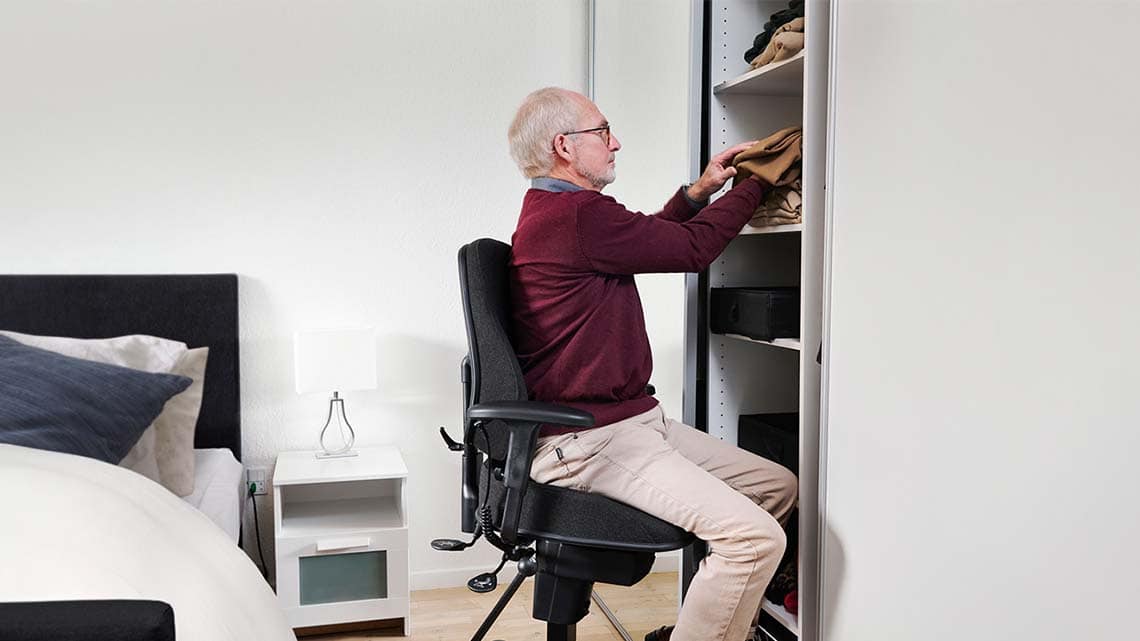
While transitioning from community living to home-based care presents its own set of challenges, particularly around mobility and self-reliance, innovative solutions like the VELA chairs can play a transformative role. VELA is a medically approved mobility chair designed for use at home, offering enhanced safety and allowing for freedom of movement while seated.
Its supportive design assists with daily activities such as cooking, dressing, or transferring. By lessening the physical burden on both seniors and their caregivers, VELA facilitates longer independence and enhances the quality of life at home. Recent developments show that adjustable and customizable features, voice controls, and ergonomic enhancements are helping users perform more activities independently and comfortably.
For more insights on maintaining independence and mobility at home, you can explore Mobility Solutions for Seniors.
Supporting Aging in Place: A Practical Option
Ensuring that seniors can stay independent at home longer involves utilizing tools and innovations like the VELA Independence Chair. This chair can address critical issues such as safety by offering features like a central brake to prevent falls, electric height adjustability for ease of transfers, and smooth maneuverability while seated.
These features, combined with the latest advancements in assistive technology such as smart mobility aids and adaptive devices, not only help in daily tasks such as cooking and cleaning but also conserve energy, ensuring seniors remain active without undue strain. By emphasizing values such as dignity, safety, and comfort, the VELA chair empowers seniors towards a fulfilling lifestyle. While not the sole solution available, this expertly engineered chair provides a proven way to delay or even reduce the need for traditional nursing home environments.
To learn more about VELA Independence Chair options, visit Regaining Mobility with VELA.