

Updated January 2026: We have updated the article with the latest trends in assistive technology, including AI-powered mobility solutions, new robotic transfer devices, breakthrough wearable accessibility products, and highlights from CES 2026, reflecting the most recent advancements supporting independent living.
Independent Living in McKinney: A Comprehensive Guide
Choosing the right independent living community is a significant decision for seniors and their families. McKinney, Texas, continues to rise in popularity as a retirement destination, thanks to its appealing blend of suburban charm and vibrant urban amenities. With a senior population making up approximately 10.26% of its residents, McKinney offers a supportive environment for seniors seeking independence. According to Community Impact, the average cost of independent living in the city stands at $3,212 per month, which is slightly above the national average of $3,171.
Exploring Independent Living Options in McKinney
In McKinney, several options cater to diverse needs and lifestyles. Among them, Pioneer Ridge Independent Living stands out for its comprehensive services and community-friendly features. According to Senior Living in Style, residents enjoy amenities such as wellness programs, pet-friendly accommodations, and chef-prepared meals, contributing to a comfortable lifestyle.
Practical Experience
Imagine a typical day at Pioneer Ridge: a senior might start with a morning fitness class designed specifically for their range of motion, followed by a community breakfast. Afternoon activities could include art classes or a book club meeting, all structured to promote social engagement and mental stimulation.
Financial Considerations for Seniors in McKinney
Understanding the financial landscape of independent living is crucial. Monthly costs often encompass housing, meals, housekeeping, transportation, and social activities. For example, in one community, seniors might pay a base rate that includes meals and housekeeping, with additional fees for specialized services like physical therapy.
Residents in McKinney also benefit from Texas’s no state income tax policy, which can help stretch retirement savings further. According to McKinney Housing Profile and Affordability, it’s critical for seniors to compare the amenities and services covered by monthly fees to ensure the best value for their budget.
Lifestyle and Community Resources for Seniors
McKinney offers both tranquility and excitement. The Towne Lake Recreation Area is popular for outdoor enjoyment, and nearby cultural attractions, such as the Heard Natural Science Museum, provide ongoing enrichment opportunities. Seniors can benefit from health-focused community resources, such as chronic disease management classes and health education seminars.
Trustworthiness
While the city’s amenities enhance quality of life, it’s also important to balance these features with any limitations, such as accessibility factors for those with mobility challenges. For a comprehensive overview of McKinney’s lifestyle offerings, visit Why Move to Dallas.
Maintaining Independence with Innovative Solutions
Recent advances in assistive technology continue to expand opportunities for seniors and individuals with disabilities to maintain autonomy at home. Beyond traditional aids, the latest generation of smart mobility solutions now includes AI-powered wheelchairs with autonomous navigation, real-time health monitoring, and seamless integration with smart home devices ThinkBeyondTheChair.org EqualAccessibility.co. Developments like the WheelMove power-assist system—an add-on for manual wheelchairs that provides up to 15.53 miles (25 km) of range per charge—are set to launch in North America and Europe by mid-2026, supporting greater freedom of movement for wheelchair users CES 2026.
Leading innovations demonstrated at CES 2026 spotlight the XSTO X12 all-terrain robotics system, which allows safe navigation over slopes, stairs, and rugged surfaces, and new robotic transfer devices such as ReviMo’s Niko and SwitchBot’s Onero H1, providing robotic assistance for independent transfers between mobility devices AbilityNet. Wearable assistive technologies are advancing as well, with solutions like Hapware’s Aleye system, which uses Ray-Ban Meta smart glasses combined with haptic feedback to help users interpret facial expressions—benefiting those who are blind, have low vision, or are neurodivergent TechExplorist.
The emerging trend is greater integration of assistive devices with smart home technology, the use of sustainable materials, and voice-controlled interfaces to reduce the need for fine motor skills ThinkBeyondTheChair.org. These advancements highlight a shift toward highly personalized and user-centered solutions that further improve daily living, independence, and safety for older adults and individuals with disabilities.
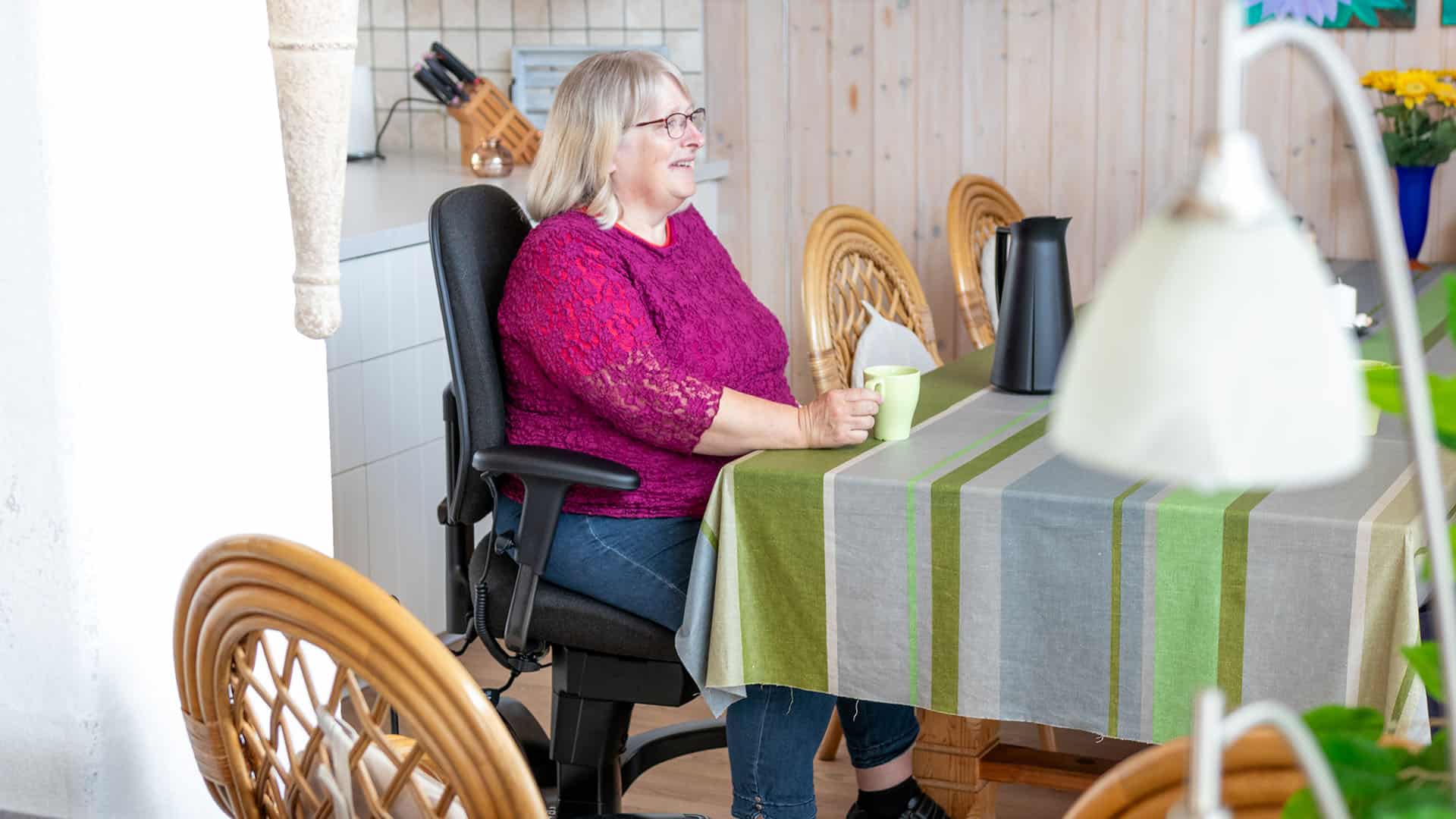
Tools and products like the VELA Independence Chair remain important aids for independent living. However, rapid advances in AI, robotics, and wearables are reshaping the landscape, empowering users with customizable features, autonomous navigation, and simplified communication integrated with home systems. This helps reduce caregiver burden and supports users in managing various daily tasks—from cooking and dressing to moving safely throughout the home—with increased confidence and autonomy.
Expanded public policy support and rising funding from insurance programs and foundations continue to improve the accessibility and affordability of these advanced assistive technologies, making it easier for more people to acquire and upgrade devices that suit their unique needs.
Supporting Aging in Place: A Practical Option
As the desire to remain independent increases among older adults, exploring alternatives that delay the need for nursing home care becomes critical. The VELA Independence Chair exemplifies such solutions by integrating features like a central brake for safety, electric height adjustability, and seamless movement while seated. With the VELA chair, seniors experience enhanced safety during daily tasks—easing transfers, conserving energy, and empowering them to tackle activities like cooking and cleaning with dignity and freedom. While not the only option, Senior Chair Solutions like VELA’s offer proven, practical benefits that can meaningfully extend the time an individual can live independently at home, thus providing peace of mind to both seniors and their caregivers. Given the rapid evolution of assistive technology, it is advisable to periodically reevaluate tools and available support services, bearing in mind that emerging AI and wearable technologies may offer even greater comfort, inclusion, and autonomy for older adults and people with disabilities Carr, Dawn.