

Updated January 2026: We have updated the article with new findings on AI-enhanced assistive technology, including real-time, hands-free wearable devices, integrated AI assistants, haptic feedback wearables, advanced user-centered ergonomic designs, and recent regulatory and policy developments supporting inclusive, independent living in New Castle.
Meeting the Growing Demand for Independent Living in New Castle
With a rapidly aging population, the demand for independent living options has surged, particularly in areas like New Castle. Seniors are increasingly seeking autonomy, safety, and community engagement as they enter this phase of life. According to the CDC, about 1 in 7 Americans aged 65 or older will need long-term care at some point. Therefore, understanding the resources available in New Castle for seniors who wish to maintain their independence and quality of life is vital.
Understanding independent living in New Castle
Independent living communities are designed for those who wish to live an autonomous life while having access to necessary amenities and social opportunities. Typically catering to individuals aged 55 and older, these communities provide a maintenance-free lifestyle that many seniors find appealing. According to the National Institute on Aging, these settings are ideal for older adults seeking social engagement and a variety of wellness programs. For example, a senior couple might choose independent living to engage in community activities without the hassle of home maintenance, allowing them to concentrate on enjoying their retirement.
Profile of seniors choosing independent living
In New Castle, the demographic of seniors opting for independent living commonly includes those in their 70s and 80s, often managing chronic conditions like arthritis or diabetes. These health considerations significantly influence their decision to choose such communities. A resident with diabetes, for example, might benefit from tailored wellness programs that promote health and activity. According to CDC and NIH, data show how such conditions affect elderly care needs, emphasizing the value of communities that cater to these requirements.
2025 top independent living communities in New Castle
New Castle offers several top-rated independent living communities worth considering. Among these are The Addison of Clen-Moore Place, Rhodes Estates, and Neshannock Woods. The Addison of Clen-Moore Place stands out for its commitment to providing personal care alongside community-centric activities, making it a popular choice for those prioritizing engagement. According to Senior Lifestyle and Caring.com, these establishments are highly rated for their unique offerings and dedicated services. Rhodes Estates is renowned for its attentive staff and memory care services, whereas Neshannock Woods provides affordable housing with a focus on accessible living. For instance, a family might opt for Rhodes Estates specifically for its specialized care services and responsive staff.
Enhancing independence: advanced mobility solutions and adaptive technology
Mobility is a key component of independent living, with adaptive equipment playing a crucial role. The landscape in 2025 reflects an unprecedented shift toward integrating AI-enhanced assistive technologies and user-centered ergonomic solutions. Recent innovations include AI-powered smart glasses, such as the Meta Ray-Ban Smart Glasses with the Live AI feature, which deliver real-time, hands-free environmental descriptions to users who are blind or have low vision, improving contextual awareness and safe navigation FAFTB, Envision. Visual interpreting technologies, such as Aira, are increasingly used in public spaces in New Castle and nationwide, providing on-demand visual context via live agents to support navigation and everyday tasks in education, transport, and community engagement InnoCaption.
Wearable assistive devices now go beyond conventional aids, incorporating haptic feedback and even augmented reality for immersive learning and advanced spatial orientation, supporting independent travel and skill development. Integrated AI assistants are increasingly conversational and hands-free, providing real-time support for daily activities, environmental awareness, and information access Envision. Innovative rehabilitation now prioritizes user-centered design and customization, ensuring that adaptations are tailored to individual preferences and responses, often using direct user feedback loops to optimize device performance and comfort JVIB, PMI Space Coast.
Traditional adaptive equipment remains vital, but the emphasis is shifting toward smart, sensor-driven devices and ambient technologies such as text-to-speech tools, sip-and-puff systems, and AI-enabled smart home devices that increase autonomy across a spectrum of needs SenTeachersTraining, CES. Smart wheelchairs in 2025 feature autonomous navigation, advanced pressure monitoring, and user-friendly voice or app controls, allowing for greater safety and independence within both home and community settings Ability Montana, Level Access. Products like the MouthPad enable hands-free digital interaction for users with limited dexterity, while ongoing international efforts push for inclusive device standards and seamless public integration ATIA.
According to a peer-reviewed study from JAGS on PubMed, implementing environmental modifications and utilizing adaptive equipment can significantly reduce fall rates and enhance independence. Consider a senior who uses a specialized mobility chair to seamlessly navigate their home, improving safety and reducing the physical strain associated with daily tasks. The integration of supportive equipment is therefore essential in fostering a safe and independent lifestyle for seniors in New Castle.
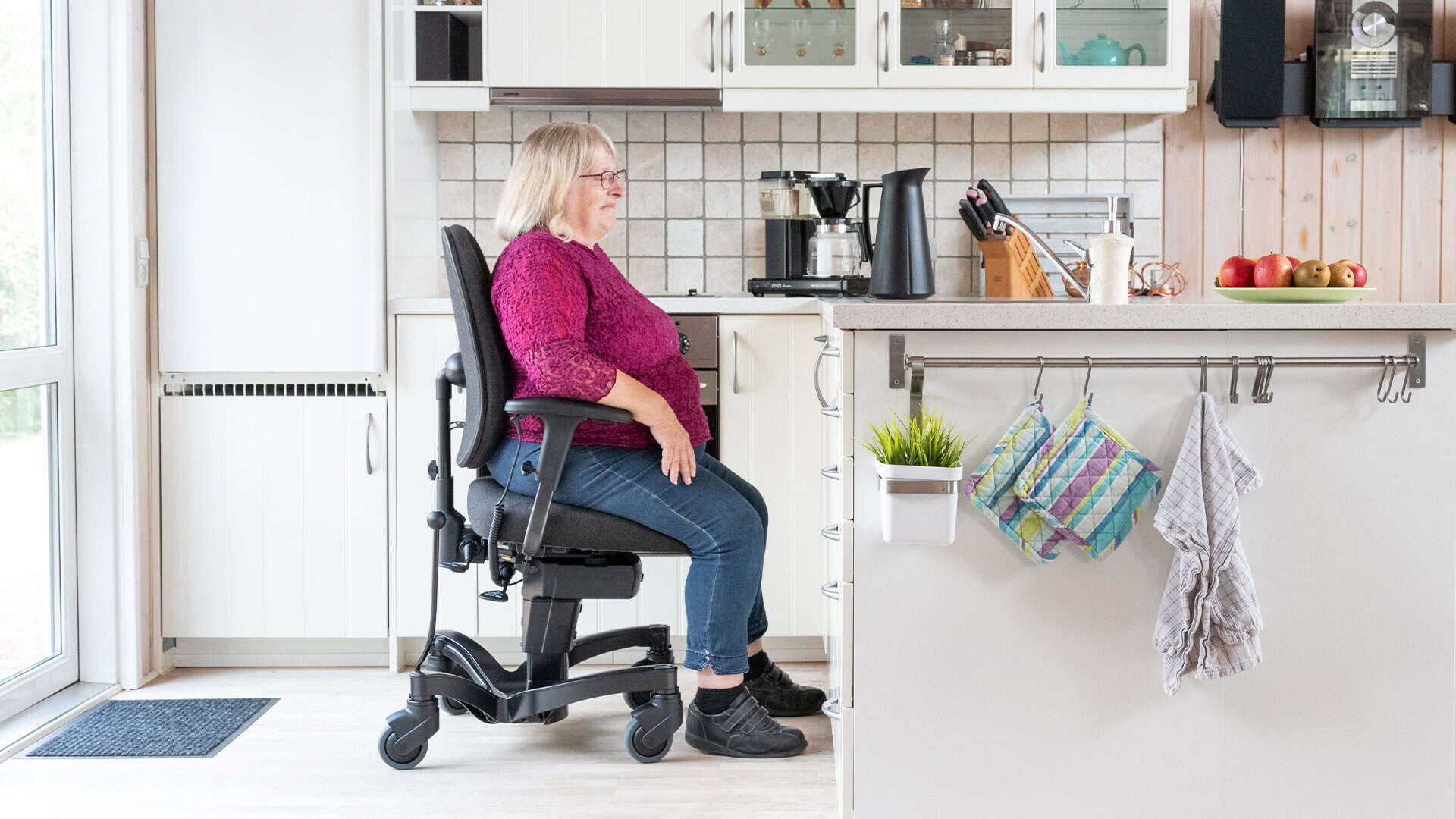
In exploring viable solutions to help older adults remain independent at home, one potential avenue is the utilization of adaptive equipment like the VELA Independence Chair. As nursing homes may present challenges related to personal autonomy and comfort, VELA offers a medically approved mobility chair that promotes freedom of movement within the home. Designed with features such as a stable, lockable base, electric height adjustability, and easy maneuverability, this chair supports daily activities like cooking and dressing. Importantly, it not only enhances the safety and mobility of the user but also alleviates the physical demands placed on informal caregivers, thereby supporting a more independent lifestyle.
Supporting aging in place: modern options for maintaining independence
The VELA Independence Chair offers a practical solution for those preferring to age in place by delaying the need for a nursing home. With features tailored to address common mobility challenges, the chair provides security with its central brake and promotes ease of transfers with its electric height adjustability. Users benefit from enhanced freedom and dignity, effectively reducing caregiver strain and the associated logistical challenges. By allowing seniors to engage in everyday tasks such as cooking and light housework while seated comfortably, the VELA chair preserves energy—enabling a more satisfying and active life at home. Though not the sole solution available, it remains a proven and practical choice for supporting senior independence. For those interested in detailed insights, exploring mobility solutions for elderly independence and mobility chairs to support daily activities can provide valuable guidance on elevating home safety and comfort.
Recent health policy and clinical guidance in 2025 emphasize inclusive product standards and seamless integration of assistive technology in public and private services. This regulatory progress—coupled with user-centered design and affordable AI-driven devices—fosters community inclusion and empowers more seniors to participate in daily life independently JVIB, ATIA, PMI Space Coast. Advances in technology and policy in 2025 emphasize inclusive design, affordability, and user involvement—backed by the World Health Organization’s recommendations for accessible solutions that address real-world needs and reduce stigma WHO. Market analysis predicts strong growth in assistive technology fueled by a rising incidence of orthopedic and neurological conditions, the ongoing development of artificial intelligence, and an aging population PR Newswire. For families navigating independent living in New Castle, these advances can empower older adults with safer, more dignified, and more connected lives in their own homes.