

Updated October 2025: We have updated the article to include the latest developments in assistive technology, such as AI-powered mobility devices, robotic exoskeletons, smart home integrations, and personalized rehabilitation methods, ensuring the most current guidance for maintaining independence and inclusive living environments.
Exploring Independent Living in New Haven, CT
Introduction
For seniors exploring independent living options in New Haven, Connecticut, the city offers a vibrant community life enriched by excellent amenities. According to New Haven Population by Age, seniors make up 11.72% of New Haven’s population, notably lower than the national average. Despite this, seniors benefit from the city’s youthful energy, heavily influenced by local institutions like Yale University, enhancing the dynamic environment where independent living communities thrive.
Understanding Independent Living Options in New Haven
Independent living in New Haven is tailored for seniors seeking autonomy with community backing. It provides a lifestyle rich with activities and social interaction within a secure setting. Communities such as The Towers and Whitney Center exemplify independent living by fostering community engagement through various programs. Residents at The Towers, for example, benefit from diverse social events and wellness initiatives that collectively contribute to a vibrant and fulfilling senior experience, according to their website.
Cost and Amenities: What to Expect in New Haven’s Independent Living
The average cost of independent living in New Haven is around $4,681 per month, as verified by Evergreen Woods. This is competitive within Connecticut’s landscape and grants access to luxurious amenities such as indoor pools, hot tubs, and fine dining options. Evergreen Woods, located a short drive from New Haven, highlights the seamless transition available as residents’ health care needs evolve, eliminating the need to relocate.
Engagement and Wellness: Social Opportunities for Seniors in New Haven
Independent living communities in New Haven prioritize social engagement and wellness. The Centers for Independent Living play a key role in this, providing peer support, skills training, and advocacy services, as well as community-led wellness activities—all aimed at enhancing the quality of life for residents. These initiatives help integrate seniors into vibrant community life, reducing isolation.
Maintaining Independence with Enhanced Mobility Solutions
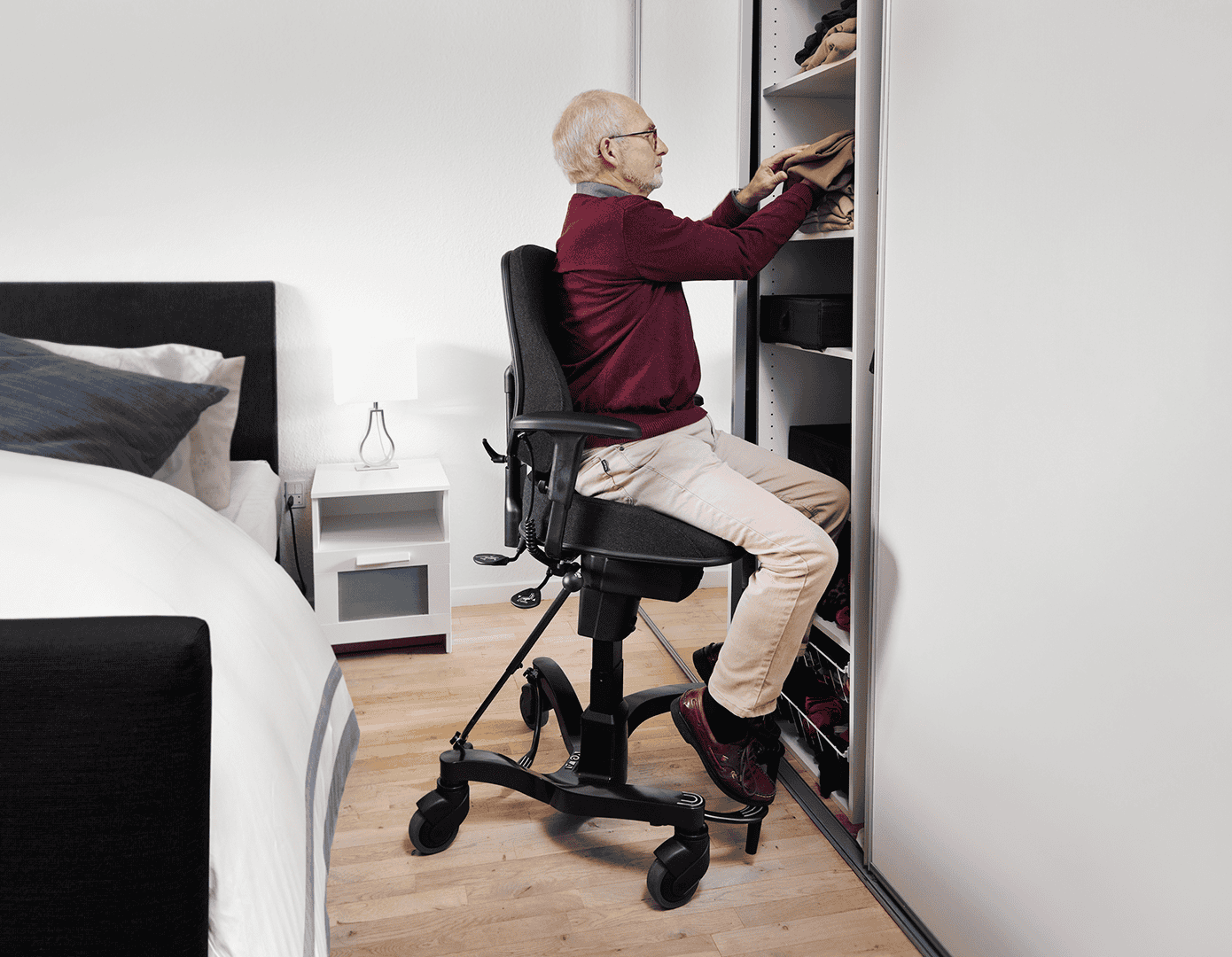
For many seniors, avoiding nursing homes stems from the desire to retain autonomy in a familiar environment. Independent living communities emphasize solutions that maintain freedom and safety while reducing caregiver burden. The VELA Independence Chair offers an effective way to enhance mobility and independence at home. This medically approved mobility chair is designed for everyday use, offering enhanced safety and freedom of movement while seated. It supports daily activities, including cooking, dressing, and transfers, thereby allowing seniors to enjoy their homes longer without becoming over-reliant on caregivers.
Recent advancements in assistive technologies now offer a broader range of solutions for maintaining independence. AI-driven smart glasses such as VisionX and NeuroVision Pro provide real-time object, text, and facial recognition, assisting visually impaired users through voice guidance and intuitive navigation. Brain-computer interfaces enable thought-driven control of prosthetics, offering more natural movement and adapting to individual user needs. Smart wheelchairs with autonomous navigation and adaptive sensors, including systems like LUCI and new offerings from Adventus Robotics, allow for obstacle avoidance, seat pressure monitoring, and app-based controls, greatly supporting user independence without the need for continuous manual effort. These improvements are further complemented by wearable exoskeletons and robotic assistive devices focused on ergonomic support, shared user-device control, and improved rehabilitation outcomes. Voice recognition, adaptive keyboards, and hands-free interfaces have expanded seniors’ opportunities for digital communication and self-management of daily tasks. These advancements reflect a growing emphasis on user-centered design, accessibility, and integration with smart home systems.1,2,3,4,5,7
Exploring Alternatives to Nursing Homes
Emerging solutions like the VELA Independence Chair empower seniors to remain in their homes for longer periods while maintaining autonomy. This specialized chair addresses several challenges seniors face, especially in terms of safety and mobility. With central brakes for enhanced security, electric height adjustability for easy transfers, and effortless movement while seated, the VELA Chair allows individuals to perform daily tasks with ease and confidence. When compared to life without it, the chair mitigates safety risks and conserves energy, significantly delaying the move to assisted living or nursing homes. While it is one of many available options, its impact on aging in place and reducing caregiving loads is profound, offering a dignified and practical solution.
In addition to products like the VELA Chair, the use of customizable, upgradeable, and AI-powered assistive devices now allows for a more vibrant and independent living experience by adapting to evolving user needs. Regulatory and policy improvements, such as those outlined by the World Health Organization, emphasize making assistive technologies more accessible and affordable, increasing workforce training, and actively involving users in the development and selection of solutions. These efforts promote inclusive environments and further reduce barriers and stigma associated with assistive device use.6,7 Visit mobility solutions for seniors or explore fall prevention strategies for seniors for more guidance in maintaining a safe and independent lifestyle.
References
- “Innovations in Mobility Aids: A Look At the Latest Technologies,” Keyway Medical, 2025 [Link1]
- “The Best Assistive Tech Gadgets in 2025: Enhancing Independence,” ThinkBeyondTheChair.org, 2025-02-07 [Link2]
- “Assistive Technologies 2025: Innovations Empowering People with Disabilities,” Tomcare, 2025 [Link3]
- Technavio Market Report, “Assistive Technology Market Growth 2025-2029,” PR Newswire, 2025-02-07 [Link4]
- “Neurological Assistive Technologies: Brain-Computer Interfaces and Rehabilitation,” PMC, 2025 [Link5]
- World Health Organization, “Assistive technology fact sheet,” WHO.int, 2024-01-02 [Link6]
- Carr, Dawn. “Revolutionizing Accessibility: The Latest Innovations In Assistive Technology 2025,” Nabroward.com, 2024-12-31 [Link7]