

Updated October 2025: We have updated the article with the latest developments in assistive technologies, including AI-powered and IoT-connected devices, advanced fall detection using environmental sensors, 3D-printed customizable mobility aids, routine telemedicine, and new trends in user-centered ergonomic and robotic device design. The expanded content addresses how these innovations, alongside tech concierge support and evolving policy, are empowering Oswego’s seniors to live independently despite senior care staffing challenges.
Empowering Oswego’s Seniors Through Independent Living
The demand for senior living solutions is surging in Oswego, driven by the aging population’s need for tailored support. Independent living communities have emerged as essential pillars, offering seniors the autonomy they desire while ensuring safety and social connectivity. According to Neilsberg Insights, seniors aged 65 and over make up 17.44% to 19% of Oswego County’s population, surpassing the national average. This demographic shift highlights the necessity for versatile living arrangements tailored to their unique requirements.
Oswego’s Senior Population: Age, Needs, and Community Profile
Oswego’s senior community is characterized by diverse age distributions and prevalent health conditions. Common issues, such as mobility limitations and chronic illnesses like arthritis and diabetes, impact a substantial portion of the population. According to the New York State Department of Health, the area has a disability prevalence of approximately 15%. Socio-economic factors also play a role, with a median household income of $65,054, as noted in the same report, influencing seniors’ demand for affordable independent living solutions that cater to their financial and health needs.
What Is Independent Living? Benefits for Oswego’s Elders
Independent living settings are designed for seniors who maintain self-sufficiency but benefit from available support services. Different from assisted living, which involves more care, independent living focuses on enabling seniors to engage in decision-making while accessing community amenities. According to SeniorLiving.org, these communities enhance safety and promote social engagement, aiding residents in leading active lives. A practical example is provided by Springside at Seneca Hill, where residents thrive in a balanced environment of independence and community engagement.
Comparing Oswego’s Top Independent Living Communities
When exploring independent living options, comparing amenities, community programs, and unique features is vital. Leading communities like Springside at Seneca Hill and Bishop’s Commons at St. Luke are recognized for their comprehensive services. Testimonials from A Place For Mom reveal residents appreciate the personal attention and diverse activities. For instance, these communities offer state-of-the-art fitness centers and engaging social programs, supporting a comfortable and independent lifestyle.
Costs of Independent Living in Oswego: What to Expect
Cost is a critical consideration for seniors exploring independent living. The average monthly cost in Oswego is approximately $4,252, as stated by A Place For Mom. This fee typically covers housing, some meals, transportation, housekeeping, and access to social activities. However, residents should budget for additional personal care or specific medical services. Thorough financial planning is recommended, including exploring diverse financing options to accommodate both expected and unforeseen expenses.
Accessibility Features in Oswego Senior Communities
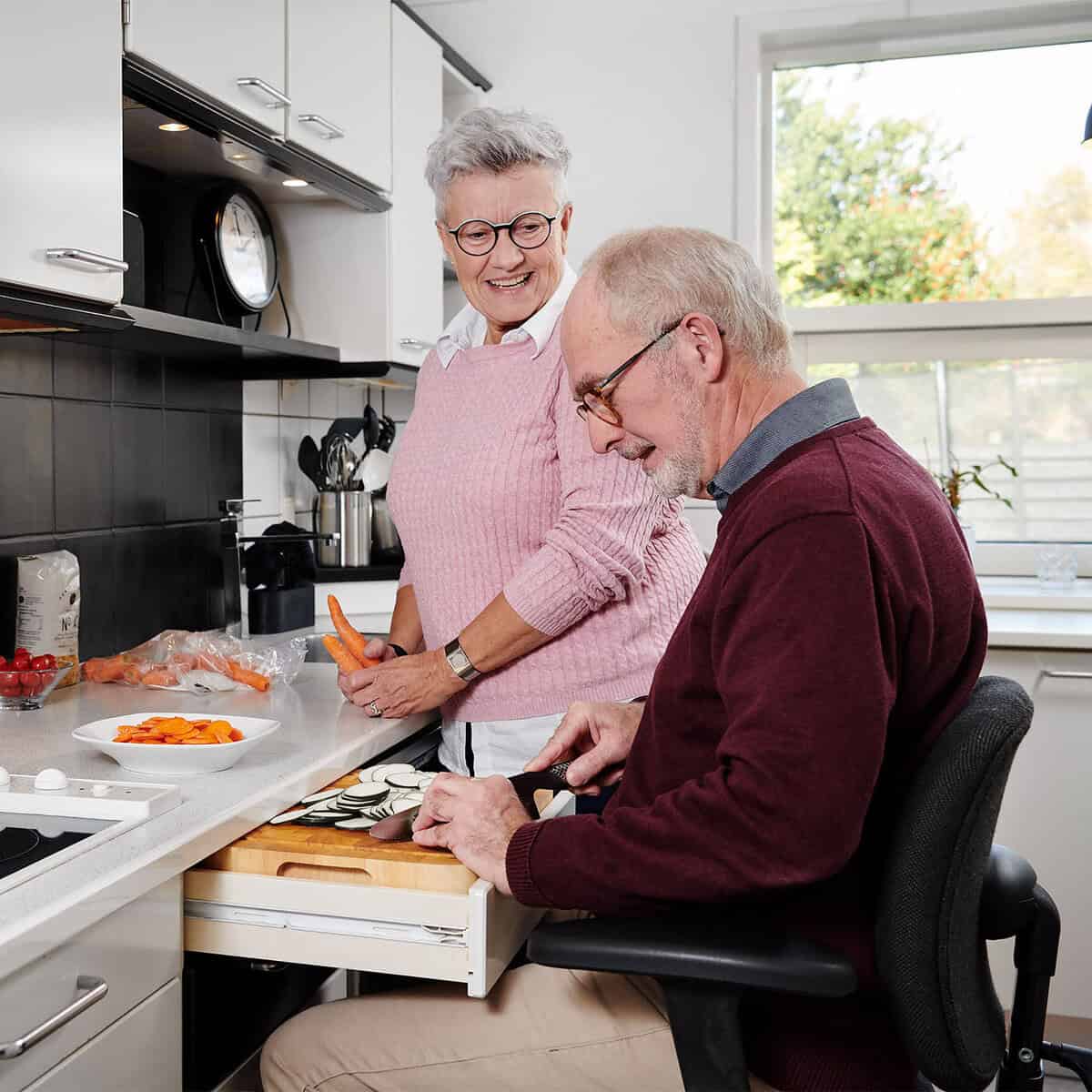
In senior communities, accessibility is a priority, ensuring safety and comfort. Essential enhancements include wide doorways and communal areas designed for easy movement. For seniors facing mobility challenges, many hesitate between the considerable benefits of independent living and the drawbacks of nursing homes, where mobility often becomes restricted. Home solutions like the VELA Independence Chair offer an appealing alternative. VELA chairs are medically approved mobility chairs designed for home use, which enhance safety, freedom of movement while seated, and support for daily activities like cooking, dressing, or transferring — all while reducing the load on informal caregivers. These features allow seniors to maintain a greater degree of independence, providing Mobility Chairs for Independence that foster self-reliance.
Supporting Aging in Place: A Practical Option
For seniors, choosing to age in place offers the comfort of familiar surroundings and the independence they crave. Leveraging mobility solutions like the Senior Mobility Solutions offered by VELA can make a significant difference. Their features such as a central brake for safety, electric height adjustability, and ease of movement while seated provide a safe and dignified way for the elderly to manage daily tasks. Enabling them to cook, clean, and relax with ease, the VELA Chair helps save energy and reduces the burden on caregivers, often delaying the need for more intensive nursing home care. Though not the sole solution, it stands out as a practical, proven option for enhancing life at home.
Emerging Technologies Shaping Independent Living in Oswego
Rapid advances in assistive technology are reshaping independent living for seniors in Oswego. AI-powered, IoT-connected assistive devices are becoming mainstream, including smart wheelchairs with autonomous navigation and customizable mobility aids produced with 3D printing. Fall prevention is now supported by AI-driven environmental sensor systems rather than being limited to wearables, enhancing in-home safety without requiring ongoing user compliance. These environmental systems detect movement and unusual patterns, providing assistance while preserving privacy Cyces Age in Place Technology iHealthcareAnalyst GlobeNewswire.
Today’s smart home ecosystems integrate voice, gesture, and AI conversation, moving beyond traditional interfaces. Seniors can control lighting, temperature, appliances, and security using intuitive, multimodal systems. Telemedicine and virtual healthcare have become routine for those with mobility challenges, improving access to clinical expertise and monitoring while allowing individuals to remain at home Heisinger Bluffs Cyces.
Rehabilitation solutions now prioritize ergonomics, comfort, and customization. Mobility aids designed with advanced biomaterials and wearable robotics offer lighter, flexible support tailored to individual needs. Personalized rehabilitation is increasingly supported by machine learning tools that adapt device settings and routines. The rising adoption of tech concierge services in senior communities reflects recognition that expert in-person or virtual support is necessary to help seniors benefit fully from the rapidly evolving technological landscape.
Market and policy trends are promoting user-centered, tested technology as a response to the senior care workforce shortage. Barriers to adoption are being addressed by improving ease of use, streamlining interfaces, and ensuring privacy protections—enabling more Oswego seniors to choose independent living supported by smart, reliable innovations Cyces Heisinger Bluffs Age in Place Technology iHealthcareAnalyst GlobeNewswire.
References
- Cyces. “AgeTech Trends 2025: AI, Robotics & the Future of Aging”
- Cyces. “AgeTech Trends 2025: AI, Robotics & the Future of Aging”
- Channel Point Village. “How Assistive Technologies are Shaping Senior Care in 2025”
- My Care Concierge. “How Technology will Transform Senior Care in 2025”
- Number Analytics. “Empowering Seniors with Assistive Tech” (June 2025)
- The Good Life SV. “2025 AgeTech Showcases the Latest Technology for Seniors”
- AskSAMIE. “Innovative Assistive Technology For Seniors in 2025”
- Seniors Blue Book. “A Guide to Useful Technology for Older Adults in 2025”
- Heisinger Bluffs. “The Future of Senior Living: Trends to Watch in 2025”
- Age in Place Technology. “Market Overview 2025”
- iHealthcareAnalyst. “Geriatric Assistive Devices Market: Trends, Technologies & Outlook”
- GlobeNewswire. “U.S. Assistive Technologies for Older Adults Market Analysis Report 2025”