

Updated January 2026: We have updated the article to include the latest 2026 trends in assistive technology for seniors, such as smart and connected mobility aids, AI-powered monitoring, advances in ergonomic and customizable device design, the growing role of robotic exoskeletons, and the accelerated adoption of technology among older adults for greater independence.
Updated September 2025: We have updated the article with the latest advancements in AI-powered assistive technologies, smart home and wearable solutions, expanded telehealth access, and recent policy changes supporting technology-based senior care. New research reflects strong trends toward aging in place, ergonomic and customizable device development, regulatory support for remote care, and ongoing challenges in accessibility and user-centered design.
Independent Living Partners: A Comprehensive Analysis
In today’s society, embracing autonomy as we age is more vital than ever. Independent living partners provide a critical service in enabling seniors and individuals with disabilities to maintain their independence while receiving the necessary support to thrive in their own homes. The demand for such services is evident; for instance, a survey by the AARP found that nearly 90% of seniors express a strong desire to age in place. Independent living partners have thus become invaluable allies in fulfilling this dream, offering tailored services that prioritize dignity and independence Independent Living Partners. Recent surveys show that this trend has only grown, with up to 94% of older adults now favoring aging in place, though many homes remain inadequately prepared for accessibility and independent living needs U.S. News & World Report Survey.
Evaluating Home Care Agency Credentials and Certifications
Selecting the right home care agency is pivotal for ensuring quality care. Credentials and certifications serve as indicators of an agency’s legitimacy and commitment to high service standards. All states have their own regulations and licensing requirements. For example, Pennsylvania mandates that home care agencies obtain specific licenses and comply with ongoing state regulations Pennsylvania State Government. A practical example is a family choosing a care provider with the right credentials; this ensures that the agency adheres to enforced standards, offering reassurance about the quality of care provided. Regulatory environments are also adapting, with some states updating reimbursement and care policies to support technology-enabled and remote care models, further broadening access and ensuring higher standards of care Washington State Care Fund.
Designing a Personalized Independent Living Support Plan
Crafting a personalized support plan is essential for meeting an individual’s unique needs. A well-designed plan factors in physical necessities and personal preferences and lifestyle requirements. Implementing a client-centered care approach, such as those offered by Independent Living Home Health, is crucial for success. Consider the case of Mary, a senior who manages her diabetes independently due to a personalized care plan that includes regular check-ins and dietary adjustments. This tailored approach empowers her to live comfortably without compromising her independence. Recent advances in ergonomic and modular product design now allow for even greater customization in assistive devices like wheelchairs and mobility aids, supporting a wider range of physical and cognitive needs while ensuring affordability and adaptability Next Market Research. Smart and connected mobility aids now offer unique adjustability options, such as customizable seat heights, armrests, and lumbar supports, along with new innovations like vibration and massaging elements to stimulate circulation and maximize comfort and health Standards Sunrise Foundation.
Integrating Advanced Assistive Technology for Autonomy
Innovative developments in assistive technology now offer seniors expanded opportunities to maintain independence at home. The latest 2026 trends highlight the rise of smart and connected mobility aids equipped with IoT and AI systems. These devices can monitor movement patterns, automatically detect falls, and send real-time alerts to caregivers, providing a greater sense of safety and autonomy for seniors and peace of mind to family members Standards Sunrise Foundation. Popular examples now include AI-powered rollators, GPS-enabled scooters, and smart wheelchair cushions that help prevent pressure sores by adjusting settings automatically Standards Sunrise Foundation.
Additionally, robotic exoskeletons and assistive robots are becoming more widely available to help augment walking and balance for seniors with mobility challenges Standards Sunrise Foundation. Personalized care is further supported by AI and data analytics, enabling interventions based on individual health data and behavioral patterns to identify risks early and tailor support Standards Sunrise Foundation.
The recent surge in technology adoption among seniors has been significant, with nearly one-third now using AI-based tools to enrich daily life and support aging in place. The increased comfort with digital solutions underscores a positive outlook on integrating technology into independent living support Standards Sunrise Foundation.
Furthermore, smart home automation systems—combining motion sensors, voice controls, and non-intrusive alerts—enhance safety without sacrificing privacy, while wearable devices provide continuous monitoring of vital signs and fall detection capabilities Channel Point Village; Seniors Blue Book; ButterflyMX; Standards Sunrise Foundation.
Telemedicine and remote health monitoring continue to form a vital part of many independent living support plans. Through digital platforms and remote consultations, seniors have better access to care, can reduce isolation, and are enabled to self-manage health tasks with support from caregivers and clinicians My Care Concierge. These advancements are further supported by significant industry growth, government initiatives, and a focus on cost-effective, adaptive products designed for diverse mobility and cognitive needs OpenPR; Washington State Care Fund; Standards Sunrise Foundation. However, challenges in usability and accessibility remain—especially for people with more severe disabilities—underscoring the ongoing need for inclusive design standards, robust user support, and technology training resources Accessibility.com; WIPO.
Transitioning Between Care Levels While Maintaining Independence
The ability to adjust care levels without necessitating a change in residence is a significant advantage of integrated service models. It allows individuals to receive the care they need in response to evolving health requirements while remaining in a familiar environment. Studies, such as those from Freedom Pointe, demonstrate that flexible care arrangements significantly enhance residents’ sense of autonomy and satisfaction. Take John, for instance, a resident who smoothly transitioned from minimal care to moderate aid, ensuring his safety without sacrificing independence. Such flexibility in care supports continuous independent living. Technology is also playing a larger role in such transitions, with AI-driven assessments and monitoring tools supporting timely adjustments in care as needs change Standards Sunrise Foundation.
Transitioning to VELA Chairs for Enhanced Independence
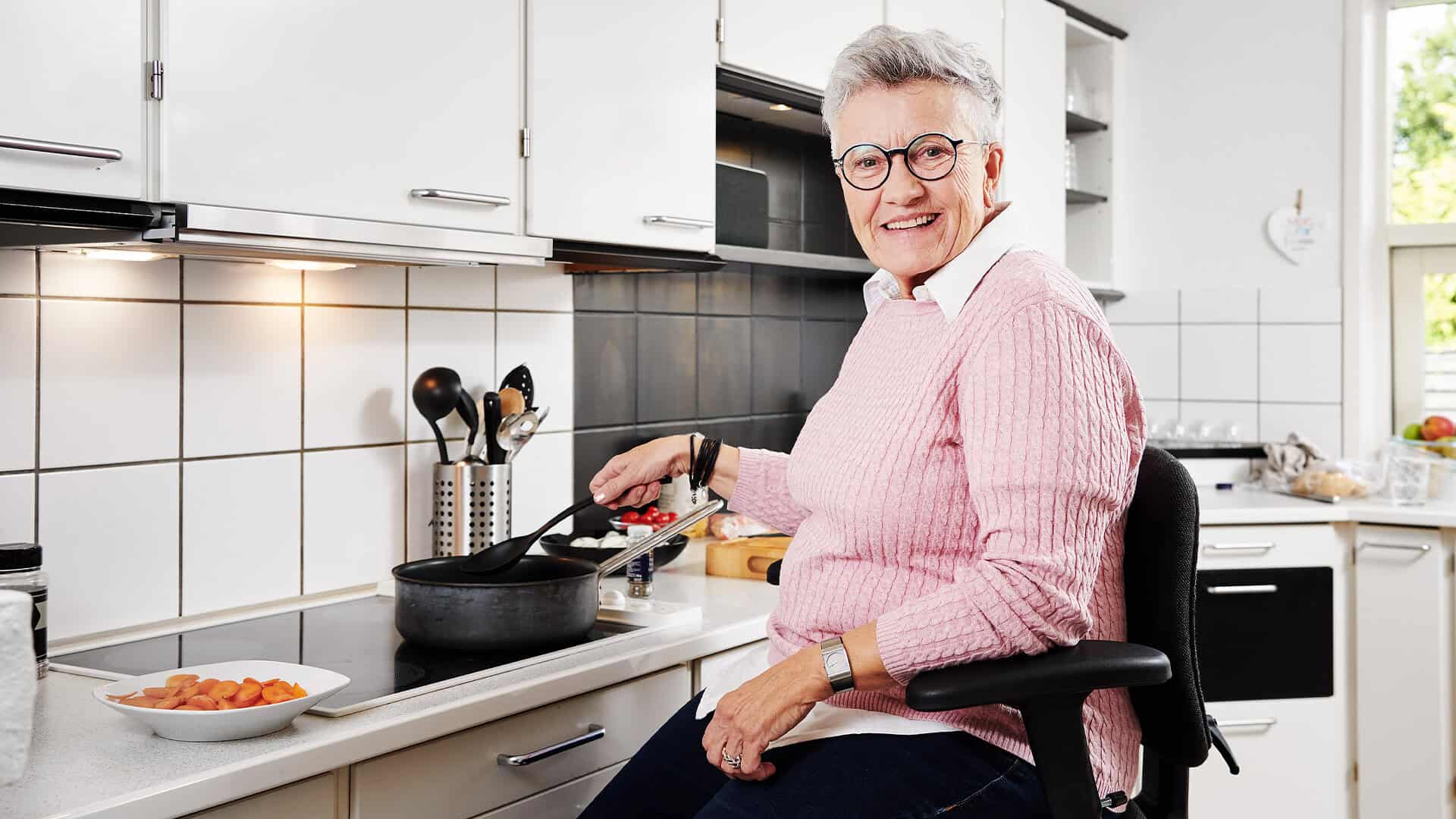
While nursing homes often address safety and care needs for the elderly, many seniors desire to stay in their own homes with cherished memories and routines. Innovative solutions, like VELA mobility chairs, offer a means to uphold this independence by providing support that answers daily challenges such as fall prevention and safe participation in household tasks. VELA chairs are medically approved mobility chairs ideal for home use, promoting both safety and freedom of movement. They offer invaluable support for tasks like cooking, dressing, and transferring, while also alleviating some burdens from informal caregivers. Current trends emphasize modular, customizable design for these and similar devices, making adaptation seamless for evolving health and ergonomic needs Next Market Research. New features such as AI-based position monitoring and adaptive seating further increase safety and comfort, reflecting the influence of smart and connected mobility trends Standards Sunrise Foundation.
Independent Living Partners: Final Thoughts
Independent living partners play an instrumental role in delivering senior home care options that respect and enhance autonomy. By focusing on quality credentials, personalized care planning, adaptive technologies, and adaptable care levels, these services ensure clients live life on their terms. Recommendations from UNESCO emphasize the importance of balancing independence with care to enhance the quality of life for seniors. Advancements in AI-driven monitoring, telemedicine, smart home solutions, wearable technologies, and now robotic and connected mobility devices further ensure that seniors can confidently achieve sustained independence while remaining safe and connected Number Analytics; AskSAMIE; Washington State Care Fund; Standards Sunrise Foundation. Ultimately, the widespread adoption of these solutions reflects society’s commitment to inclusion, affordability, and independent living for all seniors.
This comprehensive analysis underscores the essential nature of independent living partnerships, offering hope and reassurance for families seeking to provide their loved ones with the best possible support. By leveraging these services and integrating today’s assistive technologies, seniors can continue to lead fulfilling, autonomous lives in the comfort of their homes.
How Mobility Solutions Like VELA Make a Difference
As seniors strive to maintain autonomy at home, mobility solutions such as VELA Chairs play an integral role in extending independence. These chairs are engineered to address common challenges like safety, energy conservation, and ease of transfers. Features like centralized braking systems, electric height adjustability, and smooth maneuverability while seated empower elderly individuals to confidently engage in daily activities such as cooking and cleaning. By alleviating physical strain and mitigating fall risks, VELA Chairs not only enhance the comfort and dignity of everyday life but may also postpone the need to move to a nursing home. Although various mobility aids exist, mobility solutions tailored for elderly independence like the VELA Chair stand out for their thoughtful design and proven effectiveness in supporting aging in place. Recent 2026 trends point to the addition of IoT connectivity, enhanced adjustability, vibration elements, and AI-driven monitoring, advancing the capabilities and personalization of these mobility aids Standards Sunrise Foundation; Next Market Research; Age In Place Tech.