

Updated October 2025: We have updated the article to reflect new advancements in independent living, including integration of AI-enabled assistive technology, wearable health-monitoring devices, adaptive ergonomic and 3D-printed mobility aids, immersive VR/AR rehabilitation practices, strengthened universal accessibility regulations, user-centered design, and enhanced roles for Centers for Independent Living providing technology training and support.
Exploring Independent Living in Pittsfield
With 20.12% of its population aged 65 and over, Pittsfield stands as a community steeped in history and brimming with potential for seniors seeking independent living arrangements. This demographic statistic underscores the importance of catering to the unique needs of older adults in the area. According to U.S. Census Bureau, independent living offers many seniors the perfect balance of autonomy and access to community amenities, providing an environment where maintenance and support are readily available while still allowing personal freedom.
Navigating Independent Living Options in Pittsfield
Independent living caters to seniors who thrive without daily assistance but value access to communal facilities and social opportunities. Pittsfield is home to several noteworthy options, such as Berkshire Place Apartments, offering a harmonious blend of independence and support. In recent years, independent living communities in the area have increasingly integrated advanced smart home technologies to enhance residents’ autonomy. Features such as Alexa-enabled controls for lighting, temperature, and entertainment systems now make it easier for adults with disabilities or limited mobility to manage their environment and maintain personal freedom. These systems can also enable remote support from staff and personalized life skills training, reflecting a shift toward more adaptive and technology-rich environments.[1] According to Medicare.gov, these communities are ideally suited for seniors eager to engage in social activities without sacrificing their cherished privacy.
In addition to smart home technologies, the latest advances in assistive devices now feature AI-enabled mobility aids, such as robotic exoskeletons and smart, sensor-integrated wheelchairs that provide enhanced mobility with minimal effort. Wearable health-monitoring devices are also being introduced, helping to prevent falls and detect emergency situations promptly. The integration of voice-activated home automation and Internet of Things (IoT) devices further strengthens autonomy in daily living activities, including lighting, temperature control, security, and appliance usage.[6] These innovations are increasingly being adopted across Pittsfield’s independent living communities.
Demographics and Needs of Pittsfield’s Elderly Population
Pittsfield’s seniors face common challenges, such as arthritis and mobility issues. These conditions, coupled with economic considerations like affordability and access to healthcare, shape their living choices. The Centers for Disease Control and Prevention stresses that environmental and social supports are crucial for older adults wishing to maintain independence. Increasingly, evidence-based behavioral interventions are part of residential support in Pittsfield, with Positive Behavior Support (PBS) helping residents achieve greater autonomy by improving adaptive behaviors and reducing barriers to daily living. This approach uses scientific, person-centered methodologies to support health, engagement, and lasting independence.[2]
Emerging ergonomic and rehabilitation practices now advocate for dynamic, adaptive supports tailored to individual needs, often incorporating custom solutions made with 3D printing. Rehabilitation services are beginning to integrate virtual reality (VR) and augmented reality (AR) platforms, offering immersive environments for motor skill retraining and cognitive engagement, which are resulting in improved functional outcomes for seniors and individuals with disabilities.[8]
Evaluating Local Independent Living Communities
Several top-rated providers in Pittsfield, such as Berkshire Place and Salisbury Estates, stand out for their personalized care and vibrant community life. User reviews from A Place for Mom and cost data from Paying for Senior Care testify to the unique features of these communities, including privacy, camaraderie, and scenic surroundings.
The Marble Family observed significant positive changes in their grandmother’s life after moving her into an independent living community in Pittsfield. In response to the evolving needs of its residents, new independent living residences in the Berkshires are designed with modern ergonomic features, including ceramic tiled showers with glass doors, induction cooktops, pedestal washers and dryers, and individually controlled heating and cooling. These inclusive design elements deliver enhanced comfort, accessibility, and independence for seniors with various mobility levels.[3]
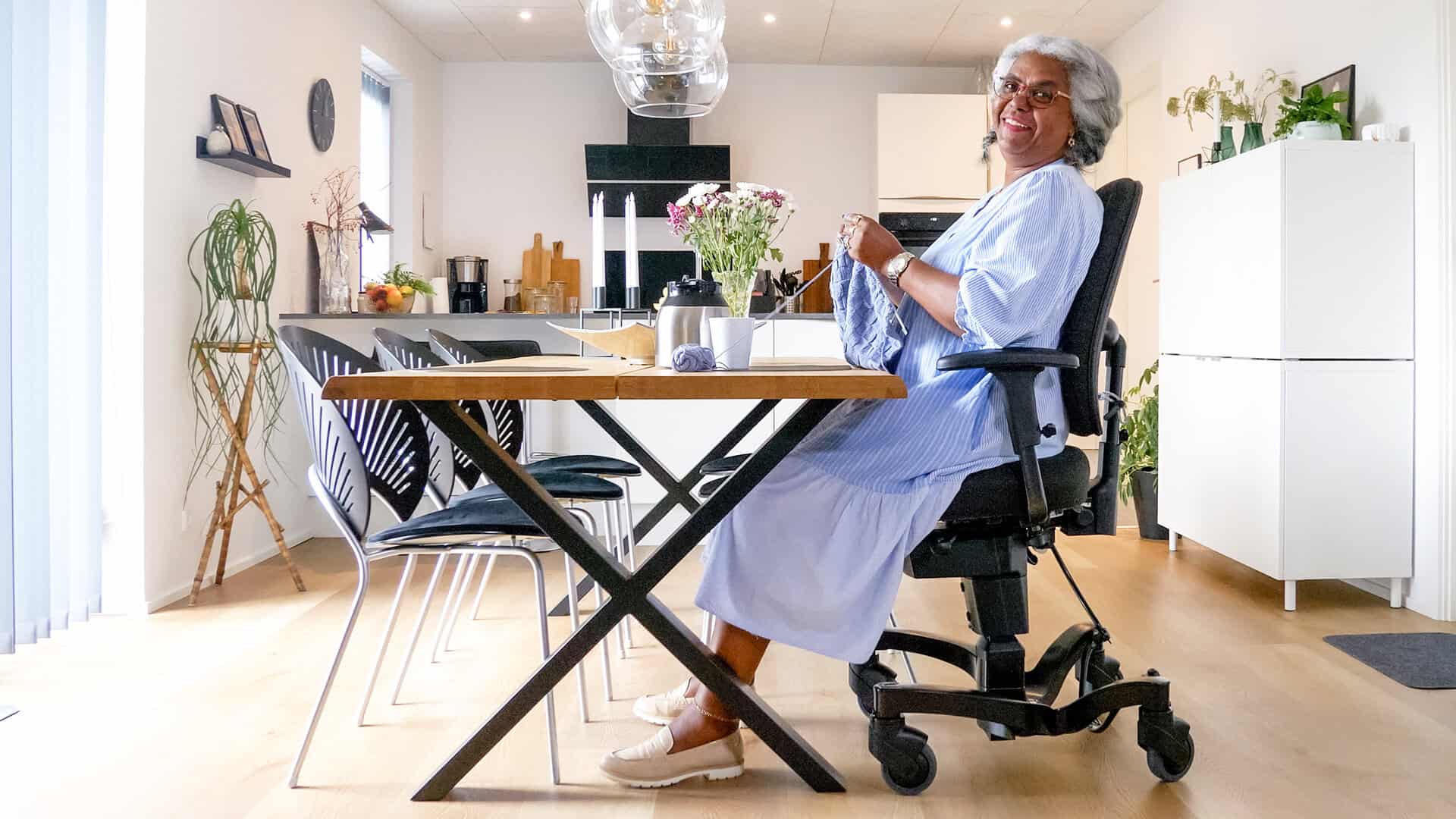
Technological advancements also extend to the home setting. Older adults who prefer staying in their own homes but struggle with challenges like decreased mobility may consider options such as the VELA Independence Chair. This medically approved mobility chair is now part of a broader movement toward adaptive, technology-driven support. It provides enhanced safety, freedom of movement while seated, and aids daily activities such as cooking, dressing, or transferring—often in combination with other new technologies such as wearable health monitors and AI-enhanced alarms.[10]
Financial Considerations and Regulatory Standards in Pittsfield
Understanding the financial landscape is crucial for those considering independent living. Pittsfield’s average monthly cost ranges from $3,700 to $4,200, depending on specific amenities and services included. Prospective residents should explore local and state financial assistance programs. Massachusetts’ regulations ensure these communities maintain standards for safety, privacy, and support services. There is also a growing regulatory and clinical emphasis on supported living models that carefully balance autonomy and professional oversight. This includes the use of individualized assessment processes to select appropriate assistive devices and extensive use of remote and on-site technological integration, in line with best practices supporting community-based independent living for seniors and adults with disabilities.[1]
Recent policy updates since mid-2025 have strengthened universal design requirements in all new and renovated independent living residences, mandating accessibility features such as adjustable countertops, wider doorways, and automated entry systems. Clinical recommendations now emphasize multidisciplinary approaches—combining physical therapy, occupational therapy, and advanced technologies—helping maximize independence among elders and individuals with disabilities.[7][11]
Supporting Aging in Place: A Practical Option
Solutions like the VELA Chair can play an essential role in helping seniors remain independent at home for longer. For older adults facing mobility challenges, such tools provide safety features for elderly care. A central brake ensures stability, while electric height adjustability and the ability to move easily while seated offer significant support for daily tasks like cooking and cleaning. This not only enhances personal freedom but also supports caregiver ease. Tools for Enhanced Mobility like the VELA Chair facilitate everyday living by securing dignity, energy conservation, and safety.
Alongside these established solutions, recent trends highlight the growing adoption of smart, AI-enabled mobility aids, wearable fall-detection devices, and community-based technology training. Independent living centers and local organizations in Pittsfield now offer tailored training and support, enabling seniors and individuals with disabilities to gain confidence and skills in leveraging these emerging tools for greater independence.[9]
While VELA isn’t the only option, it remains a proven and practical choice for those seeking to delay or avoid the transition to nursing home care.
Expanding Independent Living Support in Pittsfield
Pittsfield and the broader Massachusetts region continue to benefit from the growing presence and impact of consumer-directed Centers for Independent Living (CILs) such as AdLib. These organizations, primarily led by people with disabilities, are at the forefront of providing advocacy, peer counseling, skills training, and transition support services. Their expanded roles now include more specialized, individualized supports and a strong emphasis on consumer control, ensuring that the voices and choices of people with disabilities shape the services they receive.[4][5]
Experts emphasize the importance of involving users in the design of assistive technology and independent living supports, as this enhances real-world usability and acceptance. Community resources and independent living centers increasingly offer programs that support technology adoption, with a focus on affordability and simplicity to ensure accessibility for seniors and people with disabilities.[6][10]
Sources
- Supported Living Program integrating Smart Home Assistive Technology, UCP of Western Massachusetts (January 2024)
- Residential and Behavioral Support Programs for Adults with Developmental Disabilities, Berkshire County Arc (July 2025)
- Senior Independent Living Amenities and Ergonomic Design Innovations in the Berkshires (May 2025)
- Massachusetts Centers for Independent Living (CILs), AdLib and state-wide network (October 2024)
- AdLib Center for Independent Living
- National Institute on Disability, Independent Living, and Rehabilitation Research (NIDILRR) – Recent Innovations in Assistive Technology (2025)
- World Health Organization (WHO) – Technical Report on Universal Design and Accessibility Guidelines (2025)
- Harvard Medical School – Advances in Rehabilitation Science with VR and AR Integration (2025)
- Massachusetts Center for Independent Living – Independent Living Technology Programs and Updates (2025)
- Journal of Geriatric Physical Therapy – “Emerging Assistive Technologies for Mobility-Impaired Seniors,” June 2025
- Mayo Clinic – Clinical Practice Guidelines on Multidisciplinary Approaches for Mobility Rehabilitation (Updated 2025)