

Updated October 2025: We have updated the article with new developments in AI-powered, wearable assistive devices, expanded coverage on real-time conversational AI for mobility and sensory support, emphasis on user-centered design, and key findings on global access and equity in assistive technology from the 2025 Assistive Products Market Report.
Independent Living Placement: Promoting Autonomy Across All Ages
The idea of “independent living placement” is essential in promoting autonomy for various groups, including youth transitioning out of foster care, seniors, and adults with disabilities striving to maintain independence. As the U.S. population grows older, the demand for such placements is rising, providing individuals the chance to lead a self-directed life in a community setting. According to ChildWelfare.gov, independent living programs empower transitioning youth by offering vital resources and services that facilitate a smoother transition into adulthood, fostering stability and normalcy.
What Is Independent Living Placement?
Independent living placement includes programs designed to support both young people and adults in leading autonomous lives. Unlike institutional environments, these placements offer settings where people can thrive independently, with access to necessary support. The ILRU describes Centers for Independent Living as crucial resources that provide information, skills training, advocacy, and transition assistance—ensuring that more than half of their staff are individuals with disabilities themselves. For instance, a senior living in an independent community might manage daily tasks with minimal assistance, exemplifying the placement’s scope.
Who Benefits from Independent Living Placements?
The beneficiaries of independent living placements are diverse. Youth transitioning from foster care, seniors, and adults with disabilities all stand to gain from the right support strategies. Programs are tailored to cater to individuals from various socio-economic backgrounds, adapting services to meet specific needs. For example, Chapin Hall outlines how young adults leaving foster care benefit significantly from supervised independent living arrangements that allow them to practice self-reliance while receiving support. Similarly, senior citizens from lower-income brackets may access public funding to secure their independent living arrangements, furthering their autonomy.
Essential Services Provided by Independent Living Programs
Independent living programs offer a rich tapestry of services, central to which are independent living skills training, advocacy, and transition support. According to ILRU, key offerings include adaptive supports and assistive technology. Recent trends now emphasize a shift from standalone app-based assistive solutions to integrated AI-powered and wearable technologies that provide real-time, hands-free, conversational assistance for people with mobility or sensory challenges LetsEnvision.com, 2025 First Aid for the Blind, 2025. Examples include devices like the Meta Ray-Ban Smart Glasses, which offer hands-free, real-time visual descriptions, and services such as Aira, now expanding into higher education, retail, and public transportation environments CSUN 2025 Conference Highlights. For seniors, utilizing adaptive equipment like grab rails, AI-powered mobility aids, smart kitchen tools, and wearable sensor technologies supported by training and advocacy services further optimizes independence.
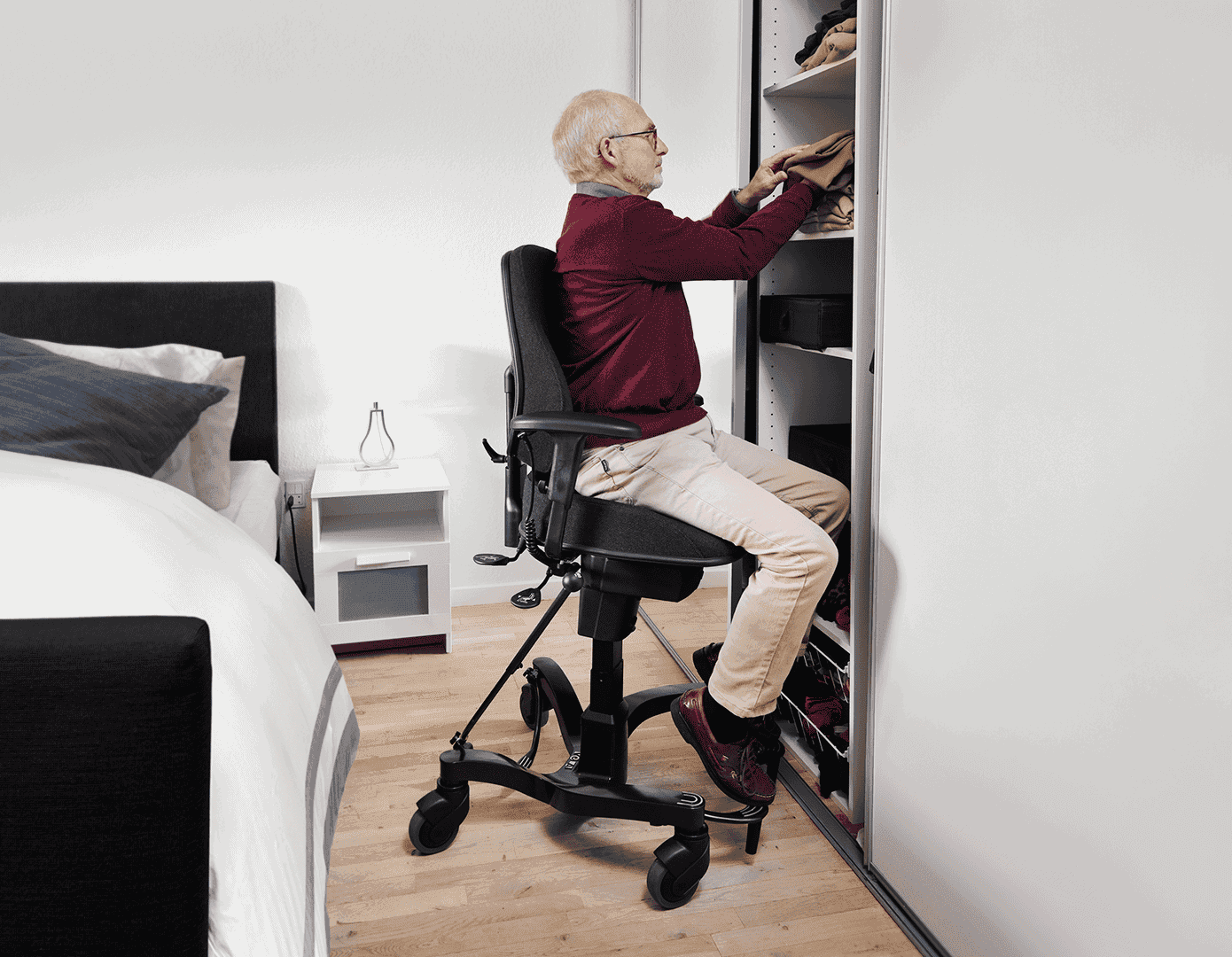
Older adults often face significant challenges in nursing home environments, where autonomy can be limited, and the quality of life is not always optimal. Many seniors prefer to remain in their own homes, where they can maintain a sense of familiarity and independence. This is where innovative solutions such as the VELA Independence Chair come into play. This medically approved mobility chair is designed for home use, enhancing safety and freedom of movement while seated. It supports daily activities such as cooking, dressing, or transferring and reduces the load on informal caregivers, offering seniors a viable option to stay independently at home.
How to Qualify and Apply for Independent Living Placement
Entering an independent living program often requires fulfilling specific eligibility criteria related to age, disability status, or financial need. CMS and state-specific guidelines provide application frameworks, which may include Medicaid-funded support for those qualifying. Navigating this process can involve demonstrating the need for independent living services and exploring financial aid options such as waivers or subsidies. A senior applying for Medicaid-funded support illustrates this pathway, obtaining necessary accommodations to continue living independently.
Local Independent Living Providers and What to Expect
Throughout the U.S., numerous highly-rated providers offer independent living services, each with distinct offerings and service models. User reviews and insights from platforms like Independent Living Placement reveal how local providers facilitate smooth transitions and continuous support. Whether through individualized home supports or emergency management services, these programs are crafted to maximize user satisfaction and yield positive outcomes. Providers increasingly involve users directly in the design and improvement of both services and technology, an approach now recognized as essential to inclusive and effective solutions Journal of Visual Impairment & Blindness, 2025. Recent research also highlights efforts to close global access gaps, particularly in low- and middle-income countries where market and policy reforms are needed to address limited availability of assistive products ATscale & CHAI, 2025. Anecdotal evidence from seniors demonstrates the value placed on empathetic, knowledgeable staff and a supportive community environment.
Costs, Funding, and Financial Support Options
Understanding the financial landscape of independent living is vital for those considering these placements. Expenses can vary—ranging from $1,500 to $4,000 monthly for privately paid services to subsidized options backed by HCBS waivers or similar programs. According to Chapin Hall, these funding solutions are crucial for broadening access to independent living, especially for low-income individuals seeking sustainable support systems. Global reports point to the importance of market interventions and policy action to make critical technologies available and affordable across all markets ATscale & CHAI, 2025.
Enhancing Independence Through Adaptive Supports
Adaptive aids and technology, such as VELA chairs, significantly bolster safety and independence at home. Current advances in assistive devices now prioritize AI integration, natural voice or gesture interfaces, real-time contextual adjustments, and wearable tools that support users seamlessly throughout daily life LetsEnvision.com, 2025 Market.us Media, 2025 First Aid for the Blind, 2025. Examples include smart glasses that provide live, AI-generated visual feedback, and haptic or sensory substitution devices that enhance mobility and awareness. These innovations help minimize fall risks and enable greater mobility for daily activities, adapting to users’ needs and preferences. Sensors and AI assistants now offer reminders, activate safety features, or alert caregivers when intervention is needed, often in a conversational and natural manner.
Additionally, training and rehabilitation now benefit from virtual reality and augmented reality tools, which safely simulate real-world scenarios for skill-building and confidence, further supporting independent living Journal of Visual Impairment & Blindness, 2025 CSUN 2025 Conference Highlights.
Market research and policy bodies have also underscored persistent global gaps in access to priority assistive products, particularly in resource-limited countries, and are calling for robust systemic reforms to improve availability and affordability worldwide ATscale & CHAI, 2025. Regulatory bodies are streamlining processes for approval and deployment of essential assistive technologies, especially during public health emergencies Cognitive Market Research, 2025.
In summary, independent living placements play a critical role for populations aiming to maintain autonomy. These programs are enriched with services and supports, including the latest AI-powered and wearable equipment, to ensure individuals can have productive, self-directed lives. By integrating innovative, user-centered solutions and resources, independent living placements reaffirm that independence is not just a possibility but a realistic goal for many.