

Updated January 2026: We have updated the article with the latest advancements in AI-powered assistive devices, IoT and sensor-based mobility aids, wearable robotics, exoskeletons, smart home integration, and telehealth-enabled equipment, as well as trends in holistic, personalized care for seniors living independently.
Understanding Independent Living: Meeting Requirements and Maximizing Independence
Navigating senior housing involves understanding the unique “independent living requirements” to ensure a suitable fit for both lifestyle and health needs. Independent living is an attractive choice for many seniors, offering a community environment that supports a largely self-sufficient lifestyle. According to A Place For Mom, the median cost of independent living is around $3,100 per month, providing a balance between autonomy and the comfort of available support.
What Are Independent Living Requirements for Seniors?
HelpGuide.org explains that “independent living” refers to housing arrangements specifically designed for older adults, generally those aged 55 and over. Seniors enjoy personal space and privacy while engaging in community activities at their discretion. A key requirement is the ability to manage daily tasks independently, such as cooking, cleaning, and personal care. For example, consider a healthy senior couple evaluating their ability to maintain their household without outside help, which underscores the essence of independent living. Their decision involves assessing their physical capabilities and matching these with community offerings.
Age and Health Criteria for Independent Living Communities
The federal Fair Housing Act’s “55 and older” exemption dictates age eligibility, ensuring communities remain tailored to senior lifestyles. Independent living suits those with minor health conditions, provided residents are largely self-sufficient. According to Tutera Senior Living, conditions like mild arthritis, which can be managed without constant assistance, are common among residents. Seniors with mild arthritis may benefit from community amenities like fitness centers or group activities that encourage an active lifestyle.
State and Federal Regulations for Independent Living Facilities
Operating an independent living community requires navigating a range of licenses and permits, which vary by state and facility type. Canopy Lifestyles highlights the necessity for these permits, often reflecting community size and service scope. Regulations aim to ensure safety and quality standards, with regional variances based on local government requirements. For instance, a facility in Georgia might need specific permits that are not necessary in other states, illustrating the importance of understanding regional nuances.
Typical Costs and Financial Considerations for Independent Living
Financial planning is crucial when considering independent living due to the significant variation in costs. Typically less costly than assisted living, the national median for assisted living is $4,995, according to A Place For Mom. Evaluating affordability involves balancing fixed retirement incomes with additional amenities. For instance, consider a retiree budgeting for independent living, evaluating his financial resources while factoring in features that enhance his experience without requiring nursing care.
Key Amenities and Social Opportunities in Independent Living
Residents often experience an enhanced quality of life through amenities that promote social engagement and wellness. With options ranging from fitness centers and educational workshops to communal dining and events, these offerings foster an interactive and fulfilling lifestyle. When faced with challenges typically associated with more dependent environments, like nursing homes, maintaining independence through home adaptations becomes critical.
Supporting Aging in Place: A Practical Option
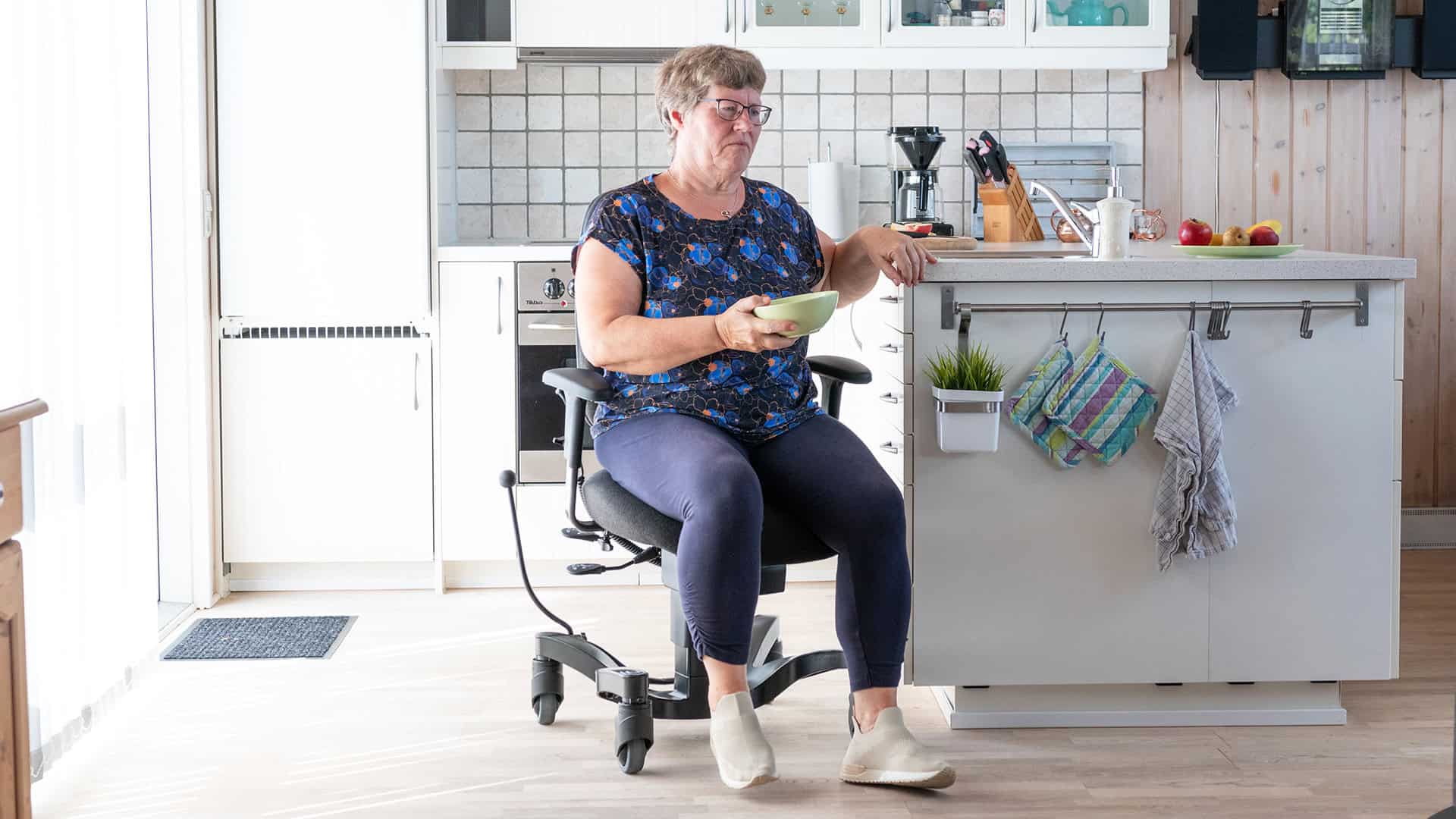
The option to age in place is increasingly attractive as it offers familiarity and independence, with solutions like the VELA Independence Chair making this a feasible choice for many. This chair is designed with features such as a central brake for enhanced safety and electric height adjustability for effortless transfers, both of which play a critical role in reducing fall risk and maintaining daily autonomy. By enabling easy movement while seated, it supports tasks ranging from cooking to cleaning and even relaxing. Imagining a life with a VELA chair versus one without highlights the profound impact on energy conservation and dignity. Though VELA is not the sole solution available, it stands as a practical, evidence-based option within a wider array of mobility aids, helping seniors comfortably extend their independence and delay the need for nursing home care.
New Developments: Technology-Driven Solutions Enhancing Senior Autonomy
Recent advancements since 2025 have transformed independent living through integration of AI-powered, IoT-connected, and sensor-enabled mobility aids. Modern wheelchairs, walkers, and bathroom safety equipment now often feature real-time fall detection, obstacle recognition, voice-activated controls, and personalized health coaching. These devices alert both users and caregivers instantly, making daily life safer and promoting faster interventions AllSeniors.org, iHealthcareAnalyst.
Emerging trends include the adoption of wearable robotics and exoskeletons to help restore or reinforce mobility for seniors with chronic health conditions. These user-adaptive systems blend with smart home technology, allowing mobility aids and safety devices to integrate with home automation platforms—enabling control of lighting, thermostats, or emergency alerts through simple voice commands or via caregiver dashboards for remote monitoring. Custom-fit, 3D-printed devices and bathroom equipment with embedded pressure sensors add further comfort and security AllSeniors.org, Advanced Nursing Care, Assisting Hands.
Telehealth functionality is now embedded in durable medical equipment, supporting virtual consultations, remote therapy, and live reporting of vital data, all of which lower the need for in-person clinic visits and promote aging in place. There is a significant move toward hyper-personalized care plans that combine physical, cognitive, and emotional support, informed by user data and best-practice clinical guidelines. Expert consensus now points to collaborative, digitally enabled support systems—allowing seniors and caregivers to manage health, rehabilitation, and daily routines interactively and efficiently iHealthcareAnalyst, AllSeniors.org, Advanced Nursing Care, Assisting Hands.
Clinical practice and insurance policies have also evolved, increasingly supporting coverage for smart, AI-powered assistive equipment and encouraging models that emphasize holistic wellness and autonomy for the aging population. The focus is shifting from isolated aids to integrated, proactive ecosystems designed to predict and prevent risks, enhance dignity, and empower users to make choices confidently.
Conclusion
Independent living requirements are evolving alongside technological advancement. Today’s solutions combine ergonomic design, advanced monitoring, intelligent mobility aids, and supportive policy frameworks to make senior autonomy safer and more achievable than ever before. Staying informed about these innovations empowers seniors, caregivers, and professionals to make choices that support independence, dignity, and quality of life now and in the years to come.
References
- Cyces.co, AgeTech Trends 2025: AI, Robotics & the Future of Aging (Jan 2025)
- ChannelPointVillage.com, How Assistive Technologies Are Shaping Senior Care in 2025 (Apr 2025)
- MyCareConcierge.org, How Technology Will Transform Senior Care in 2025 (Feb 2025)
- NumberAnalytics.com, Empowering Seniors with Assistive Tech (Jun 2025)
- TheGoodLifeSV.com, 2025 AgeTech Showcases Latest Technology for Seniors (Mar 2025)
- AskSamie.com, Innovative Assistive Technology for Seniors (Dec 2023)
- SeniorsBluebook.com, A Guide to Useful Technology for Older Adults in 2025 (Jan 2025)
- iHealthcareAnalyst.com, Geriatric Assistive Devices Market: Trends, Technologies & Outlook (May 2025)
- AgeinPlaceTech, Technology for Aging 2025 Market Overview (May 2025)
- Heisinger Bluffs, The Future of Senior Living: Trends to Watch in 2025 (May 2025)
- Juniper Communities, Senior Living Trends in 2025 (June 2025)
- GlobeNewswire, U.S. Assistive Technologies for Older Adults Market Analysis Report 2025 (June 2025)
- AllSeniors.org, Top Durable Medical Equipment Trends for Seniors and Caregivers in 2026 (January 2026)
- AllSeniors.org, Durable Medical Equipment Trends for Aging Seniors and Caregivers in 2026 (January 2026)
- iHealthcareAnalyst.com, Geriatric Assistive Devices Market: Trends, Technologies & Outlook 2026 (January 2026)
- Advanced Nursing Care, Elder Care in 2026: Trends to Watch (January 2026)
- Assisting Hands, Home Care Trends 2026: Preparing for Senior Care (January 2026)