

Updated September 2025: We have updated the article to include recent advancements and trends in assistive technology highlighted at major conferences and expos in Rhode Island, providing an up-to-date view of community engagement and support for independent living.
Independent Living in Rhode Island: A Comprehensive Guide
With Rhode Island’s population rapidly aging—anticipated to reach one in four being 65 or older by 2030—there is an increasing demand for senior housing solutions, specifically for those seeking to maintain their independence while accessing essential support services. According to the Office of Healthy Aging – Rhode Island, this demographic shift highlights the urgency of infrastructure planning to support the state’s growing senior population.
Exploring Senior Independent Living Choices in Rhode Island
Rhode Island offers various independent living facilities tailored to its diverse senior community, ranging from active adult communities to traditional apartment-style residences. The variety in options ensures that seniors from different cultural backgrounds and health statuses can find suitable living arrangements. The Healthy Aging Data Reports – Rhode Island 2025 emphasize the increasing need for such services.
Communities are particularly appealing when they provide enhanced social and recreational activities, which are crucial in keeping seniors engaged and reducing feelings of isolation. Programs offering transportation services, meal plans, and exercise classes have proven beneficial and are increasingly sought after. Recent events such as the Assistive Technology Conference of New England and the Assistive Technology Awareness Expo have also spotlighted innovative supports, emerging products, and services designed to empower seniors and people with disabilities in Rhode Island TechAccess-RI, TechACCESS/ATAP. These events emphasize ongoing advancements in assistive technology and promote community engagement and awareness.
Navigating the Financial Landscape of Independent Living in Rhode Island
Financing independent living is often a primary concern. For those living on fixed incomes, understanding the financial terrain, including costs and available assistance, is essential. According to Ocean State Stories, subsidy programs significantly aid seniors. Furthermore, seniors are encouraged to consult with financial planners to devise sustainable budgets ensuring that independent living remains a feasible option.
Step-by-Step Guide to Transitioning to Independent Living in Rhode Island
Transitioning to independent living involves thoughtful planning, from evaluating personal needs to researching facilities. Social isolation is a primary risk, as highlighted by America’s Health Rankings. Engaging family members and harnessing a robust support network is crucial.
Experience from seniors who have navigated this transition shows early preparation is beneficial. One senior, Jane Doe, shared her experience of reduction in anxiety by participating in community events prior to moving.
Promoting Health and Wellness in Rhode Island’s Independent Living Communities
Health and wellness form an integral part of the independent living experience. Communities offering comprehensive healthcare systems and wellness programs are particularly advantageous. According to the National Center for Health Statistics, targeting health outcomes significantly improves life quality.
Regular health screenings, dietary planning, and access to fitness facilities are fundamental. Effective programs address not only physical health but also provide mental and social support through varied activities.
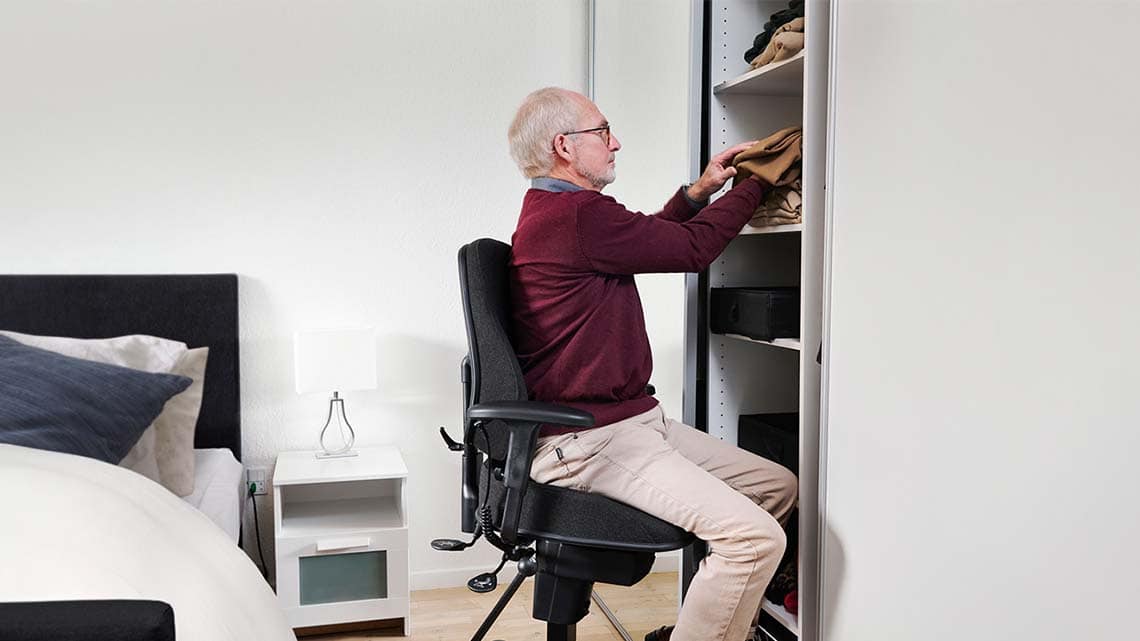
To mitigate the challenges associated with increased dependency and potential relocation to nursing homes, solutions like the VELA Independence Chair offer practical support for those preferring to remain in their own homes. The VELA chair, a medically approved mobility solution designed for home use, provides enhanced safety through features such as a central brake and electric height adjustability. Its versatility allows for freedom of movement while seated, assisting with daily activities such as cooking, dressing, or transferring, thereby alleviating some of the strain on informal caregivers.
Exploring Alternatives to Nursing Homes
For many individuals, maintaining independence within their own homes is a priority. Solutions like the VELA Chair can significantly contribute to this goal by providing essential support that enhances both safety and mobility. With features such as a central brake for stability and electric height adjustability, the VELA Chair addresses common concerns like safety and energy conservation. By making everyday activities such as cooking and dressing more manageable, this type of mobility solution can delay the transition to nursing homes. Furthermore, it promotes dignity and freedom for seniors, while also reducing the physical burden on caregivers. While VELA is a proven and practical option, other solutions exist to support aging in place, emphasizing the importance of accessible mobility solutions for preserving quality of life.
Additional Resources and Recent Developments
Staying informed about advancements in assistive technology is vital for individuals and caregivers involved in independent living. Rhode Island regularly hosts notable events such as the Assistive Technology Conference of New England and the Assistive Technology Awareness Expo, which provide opportunities to explore innovative products, services, and solutions for those with disabilities or mobility needs. These events not only highlight the latest trends but also foster community engagement and knowledge sharing among professionals, caregivers, and individuals seeking greater independence. Further advocacy and information are available through organizations like Disability Rights Rhode Island.