

Updated January 2026: We have updated the article with the latest 2026 advancements in AI-driven assistive mobility, including autonomous smart wheelchairs, all-terrain and stair-climbing power chairs, wheelchair attachments extending range, AI-assisted glasses for low-vision navigation, and new accessible mobility services. Expanded information highlights recent independent living trends, CES 2026 innovations, and the growing role of ethical AI and inclusive policy in accessible technology.
Independent Living Rochester: Navigating Options for Seniors
With an increasing number of seniors striving to maintain their independence while aging, the demand for independent living options in Rochester, NY, has surged. This city, known not only for its rich history and vibrant culture but also for its significant challenges, offers a unique landscape for older adults seeking autonomy with minimal assistance. According to WXXI News, Rochester holds the dubious distinction of having the second-highest rate of older adult poverty in New York State, with 22% of its 65+ population living below the poverty line. This economic reality underscores the importance of accessible independent living solutions.
Understanding Independent Living for Seniors
Independent living is a housing arrangement designed for individuals, usually seniors, who are able to live independently but seek the convenience of community amenities such as dining, transportation, and recreational activities. Unlike assisted living or nursing homes, independent living emphasizes autonomy, catering to those who do not require daily personal care or medical assistance. According to the Monroe County Office for the Aging’s 2020–2024 Plan, their strategic focus is on supporting independence while reducing the need for institutionalization. For example, many seniors transition from home care settings to independent living communities to benefit from a structured environment that promotes socialization and community involvement.
The State of Independent Living in Rochester, NY
Rochester’s independent living market reflects significant demand driven by socio-economic challenges and a racially diverse elderly population. The number of older adults living in poverty has increased by 70% since 2011, as highlighted by WXXI News. This escalating demand is also documented in the Monroe County Community Health Needs Assessment. Seniors in Rochester face a unique blend of economic hardships with the added complexity of finding affordable housing. Real-life accounts from seniors who have navigated these challenges show how independent living communities can provide a viable solution by offering affordable housing options alongside valuable support services.
Premier Independent Living Communities in Rochester
Rochester is home to several reputable independent living communities that cater to diverse needs. The Watermark Legacy at Willow Pond and St. John’s Meadows are among the top-rated providers, recognized for their comprehensive programs and services. According to the Rochester Business Journal, these communities offer various amenities, from engaging social and cultural programs to health and wellness activities. Facilities often have waiting lists due to high demand, signaling the broad need for such offerings. Residents consistently express satisfaction with the community atmosphere and resources provided, highlighting the benefits of socially rich environments.
Navigating Financial Constraints in Independent Living
For many seniors, financial constraints pose a significant barrier to accessing quality independent living options. With nearly half of older adults in New York reporting no retirement income, as captured in the St. John’s Living Blog, the financial outlook is daunting. However, Rochester offers several affordable housing options and support services. Personal stories of seniors finding innovative solutions to secure affordable independent living options often illustrate the critical role that local and state assistance programs play in these journeys. In addition, recent funding opportunities, such as charitable grants and insurance toolkits, have been developed to help seniors access advanced assistive technologies that promote independent living. These funding pathways contribute to greater accessibility of key devices and resources.Ability MT
Enriching Senior Lives Through Community Programs
One of the distinguishing features of Rochester’s independent living communities is their commitment to enriching senior lives through education and social programs. Offerings such as Watermark University provide residents with opportunities to engage in classes ranging from poetry writing to technology lessons. These programs, supported by the Monroe County Office for the Aging, significantly enhance seniors’ quality of life by reducing isolation and promoting active living. Participants frequently report positive experiences, citing increased social interactions and a renewed sense of purpose. The latest trends in user-centered design across independent living technologies ensure that seniors participating in such programs now benefit from more adaptive and ergonomic devices, helping them stay connected and comfortable throughout their daily routines.EqualAccessibility.coAmerican Foundation for the Blind
An Alternative to Institutional Care
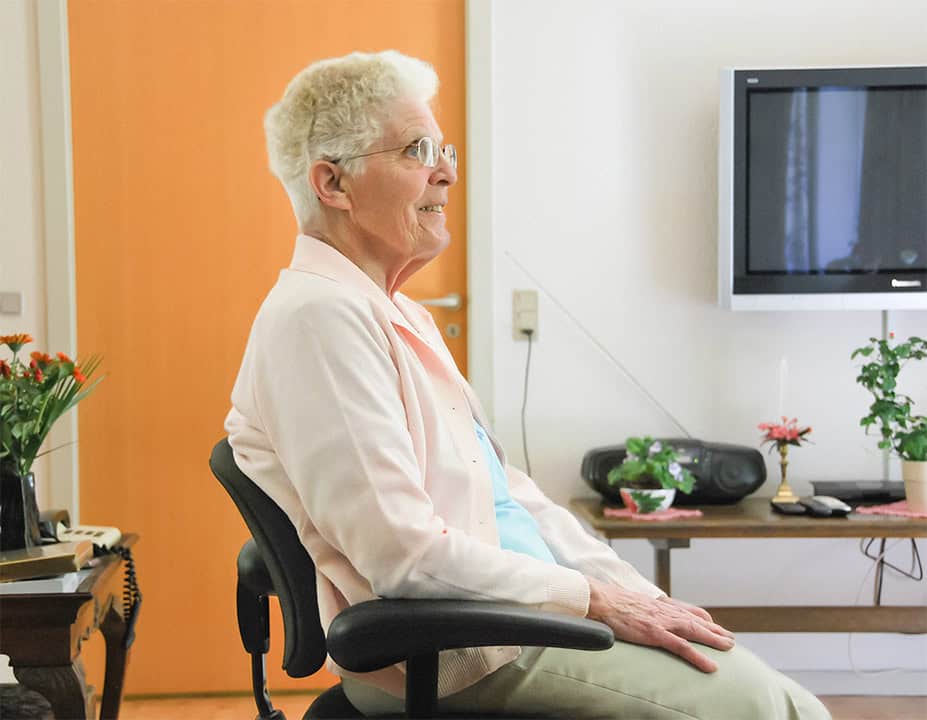
As seniors face challenges associated with traditional nursing homes, which may include high costs and a lack of personal freedom, they increasingly seek solutions that support autonomy at home. Mobility aids supporting independent senior living, such as the VELA Chair, offer practical tools to enhance day-to-day life. This medically approved chair is designed for home use, providing essential features like electric height adjustment, lockable wheels, and ergonomic design. These provide seniors with increased safety, freedom of movement while seated, and essential support for daily activities such as cooking, dressing, or transferring—all while relieving some of the burdens on informal caregivers.
Reducing Caregiver Burden Through Smart Seating and Assistive Technology
Supporting aging in place effectively can significantly delay the transition to nursing home care. The VELA Chair exemplifies how specific adjustments in home environments can create substantial impacts. Features like central brake for safety and assistive mobility chairs for better home movement address critical concerns such as fall prevention and ease of transfers. By facilitating activities like cooking, cleaning, and relaxing, these solutions not only safeguard dignity but also preserve energy levels—values which are paramount for seniors wishing to maintain their independence.
Pioneering advances in assistive technology now provide even greater support for independent living. AI-powered smart wheelchairs with autonomous navigation—including those equipped with lidar, advanced pressure-monitoring sensors, and app-based remote controls—allow seniors to maneuver in complex environments with reduced caregiver intervention. Attachable power devices for manual wheelchairs, such as WheelMove (launching in 2026), enable extended travel with ranges surpassing 15 miles. Stair-climbing and all-terrain power chairs, like the XSTO X12 and new folding zero-turn-radius models, are expanding access to both indoor and outdoor environments previously considered inaccessible.Mobility Management: CES 2026
Adaptive wearable health technologies and AI-powered glasses, such as iSee for low-vision navigation, boost independence by providing hands-free real-time guidance, object recognition, and environmental feedback for users with visual impairments.Mobility Management: CES 2026 Comprehensive smart home integrations work seamlessly with these devices through voice commands or mobile apps, simplifying daily life and maximizing comfort.
Innovations demonstrated at CES 2026—including MaaS-Bridge for accessible mobility-as-a-service, SEERU for mixed-traffic awareness, and developments in ethical AI practices—highlight a robust trend towards more inclusive and equitable mobility. New insurance toolkits and clinical trial pathways, showcased at conferences such as the Duquesne University Nasuti College of Osteopathic Medicine Assistive Technology Conference, facilitate user adoption and broaden access through increased funding and policy support.Duquesne UniversityMobility Management: CES 2026
Today’s best practices in assistive technology emphasize active user involvement in the development process, ensuring that new devices—ranging from powered personal mobility to AI-driven health monitoring—are highly ergonomic, customizable, and easy to use. This user-centered design approach promotes satisfaction and successful adoption among seniors, empowering them to participate fully in independent living.American Foundation for the BlindUniversity of South Carolina School of Medicine 2026 Assistive Technology Expo
In addition, accessible mobility trends are highlighted at major international events and policy forums, with ongoing focus on equitable access, privacy, and ethics in AI-based solutions, as discussed at the Duquesne University conference and in leading assistive technology expos.Duquesne UniversityMobility Management: CES 2026
While VELA and traditional aids remain essential, today’s evidence-based practices also include a new generation of adaptive devices integrating advanced AI, robotics, and inclusive design. This ongoing transformation prioritizes both comfort and autonomy, giving seniors and people with disabilities unprecedented freedom and dignity in their independent living journeys.Mobility Management: CES 2026Duquesne UniversityUniversity of South Carolina School of Medicine 2026 Assistive Technology Expo