

Updated September 2025: We have updated the article to include the latest advancements in assistive technology, such as AI-powered smart wheelchairs, brain-computer interface prosthetics, wearable AI devices, and modular upgrades for mobility aids. New information on inclusive, user-centered design trends and enhanced access and funding for advanced assistive devices has also been added.
Independent Living in Salisbury, MD: A Comprehensive Guide
For many seniors looking to maintain their independence while taking advantage of a supportive community, independent living in Salisbury, MD, represents an ideal solution. As the largest city on Maryland’s Eastern Shore, Salisbury combines urban conveniences with the tranquility of coastal and rural areas. Seniors constitute 12.72% of Salisbury’s population, offering a diverse and engaged community according to Neilsberg. This guide delves into the various aspects of independent living in Salisbury, from available communities to financial planning and health resources.
Exploring Independent Living Options in Salisbury
Salisbury is home to an array of independent living options, each offering unique features and amenities. One prime example is Lakeside at Mallard Landing, celebrated for its comprehensive services and beautiful surroundings, as detailed on the Lakeside at Mallard Landing website. When choosing an independent living community, seniors should consider the location, amenities, and overall environment.
For example, a senior couple named John and Mary might choose to downsize from their family home to Lakeside at Mallard Landing. This transition allows them to enjoy social events, fitness programs, and dining services without the burden of home maintenance. According to A Place for Mom, these communities provide various levels of service and comfort, ensuring seniors find a setting that meets their lifestyle and personal needs.
Financial Planning for Independent Living
The financial aspect of independent living requires careful consideration. In Salisbury, the average cost is approximately $3,386 per month, slightly higher than nearby areas like Princess Anne, which offers rates around $3,286 as noted by SeniorLiving.org. Financial planning is crucial to ensure affordability and sustainability.
Seniors can access the Senior Assisted Living Group Home Subsidy (SALGHS) program, which provides financial support to those in need, according to Maryland State Archives. Additionally, case studies highlight the importance of financial advisors and community resources in planning for this transition. Analysts from Salisbury’s local economy reports emphasize understanding all costs and assistance options available to seniors, as detailed in the local economic analysis report.
Health and Wellness Resources for Seniors
Maintaining health and wellness is paramount in any independent living environment. Salisbury offers an array of resources dedicated to senior wellness, including fitness programs, nutritional guidance, and accessible healthcare services. Local initiatives often provide fitness classes and meal planning to ensure seniors remain active and healthy.
Many communities host fitness activities tailored to seniors, such as low-impact aerobics or yoga, which foster both physical and social health. According to SeniorLiving.org, these programs are vital in promoting a healthy, balanced lifestyle for residents.
Enhancing Mobility and Safety in Independent Living
Recent advances in assistive technology are transforming how seniors maintain independence and safety in their own homes. In addition to traditional mobility solutions, seniors now have access to innovations such as AI-powered smart wheelchairs equipped with GPS navigation, collision avoidance systems, health monitoring, and smartphone connectivity for remote customization and control. These next-generation wheelchairs and mobility aids enable safer, more independent movement and enhance user autonomy.[1] [2] In addition, modular, customizable upgrades allow users to retrofit current devices with emerging smart features without needing to purchase entirely new equipment.[3]
Developments in user-centered, ergonomic design also enable shared control between the user and assistive devices, such as powered wheelchairs or prosthetics, and provide more intuitive and personalized support. Brain-computer interface (BCI) technology has led to prosthetics that respond more naturally to a user’s intentions, increasing mobility and participation in daily activities.[4] Wearable devices, including AI-driven smart glasses, assist people with sensory impairments by offering real-time environmental awareness and support.
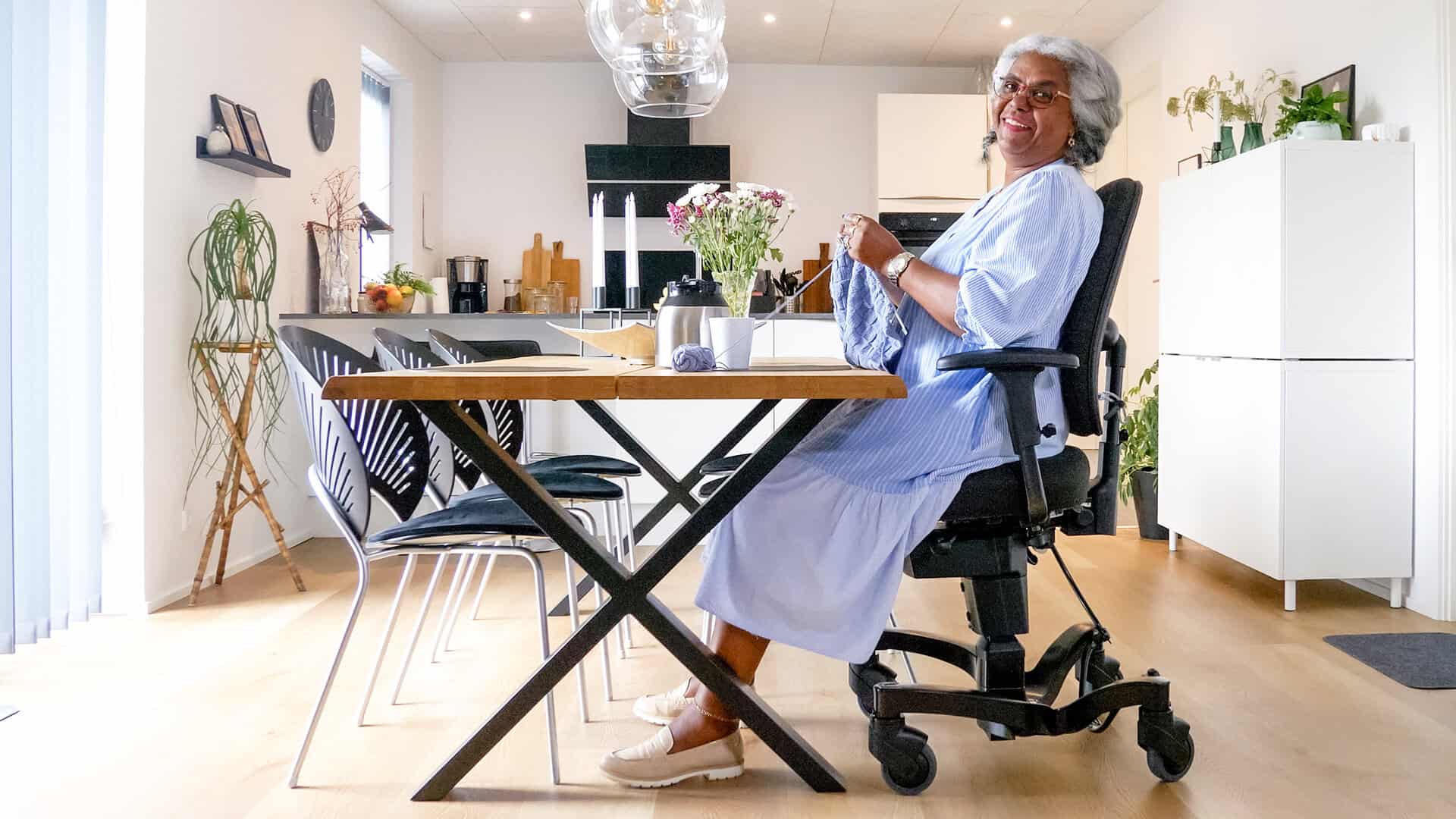
Alongside these advancements, tried-and-true solutions like the VELA mobility chair continue to provide stability, safety, and freedom of movement in the home. Seniors using VELA chairs report improved mobility and quality of life. For in-depth information about mobility chairs and ergonomic seating, resources such as VELA Chairs offer practical guidance.[5]
Supporting Aging in Place: A Practical Option
Experience both with and without a VELA Chair paints a vivid picture of its considerable impact. Such mobility solutions help delay the need for nursing home facilities by enhancing independence at home. Features like a central brake for stability and electric height adjustability cater to specific challenges like balance and transfer. Seniors benefit from seamless movement while seated, contributing to daily activities such as cooking or relaxing. This not only saves energy but also supports dignity and freedom. While the VELA Chair isn’t the only solution, its proven practicality stands out as an option for prolonging independent living.
Contemporary trends in independent living now encourage the adoption of connected assistive devices that can be integrated with smart home technologies, further supporting safe and autonomous living. Policy and funding developments, including charitable grants and inclusive product initiatives, are increasingly important in making advanced assistive solutions accessible to more seniors.[6] For those seeking ergonomic seating solutions for seniors, the possibilities for extending home independence are well worth exploring.
- Everything Medical Online: The Latest Trends in Mobility Aid Technology for 2025
- Think Beyond The Chair: The Best Assistive Tech Gadgets in 2025
- Ability Montana: Exciting Assistive Technology for People with Disabilities
- Equal Accessibility LLC: Innovations in Assistive Technology
- PMC: Recent Trends in Assistive Technology for Mobility
- PR Newswire: Assistive Technology Market Growth Report 2025-2029