

Updated February 2026: We have updated the article with the latest developments in AI-powered assistive technology, including smart wearables, advanced mobility aids like AI-enabled wheelchairs, and community-driven trends in accessibility solutions for seniors. The article now highlights personalized features for senior independence, new devices shipping in 2025–2026, and evolving user-centered design practices, with current authoritative sources throughout.
Supporting Senior Independence: A Guide to Independent Living in Santa Cruz
Santa Cruz County is witnessing a demographic shift towards an increasingly older population. This phenomenon is largely due to its appeal as a picturesque coastal locale, ideal for retirement. With the 65-84 age bracket growing by an impressive 81% between 2010 and 2020, as reported by DataShareSCC.org, there is a burgeoning demand for independent living options tailored specifically for seniors. Projections indicate that by 2030, one in three Santa Cruz residents will be 65 or older. This article delves into the concept of independent living, the burgeoning demand for senior services, financial assistance options, and the cultural considerations within these communities.
Understanding Independent Living Options in Santa Cruz County
Independent living caters to seniors who prioritize autonomy while desiring minimal assistance and various amenities. Facilities such as Brookdale Scotts Valley, known for its responsive staff and vibrant community, and Atria Willow Glen, praised for its engaging atmosphere, offer environments where residents partake in a variety of recreational activities. A typical day may include morning yoga, enjoying meals in a communal dining room, and joining afternoon book clubs or crafts workshops, as noted by A Place for Mom.
The Growing Need for Senior Services in Santa Cruz
With the increasing senior population come both challenges and opportunities. According to a Lookout article, service providers are preparing for a “silver tsunami,” emphasizing the need for enhanced healthcare access, housing options, and food security. Programs offering transportation and meal delivery help seniors remain independent while accessing essential services. Consider the case of Mr. Rodriguez, an 81-year-old resident who uses local transportation services for his weekly outings, demonstrating the vital role of comprehensive support systems.
Financial Assistance for Independent Living in Santa Cruz County
The financial complexity of independent living can pose a challenge for some seniors. However, options such as Medi-Cal eligibility can offer relief. The California Master Plan for Aging highlights state and local programs that provide financial support. For instance, Ms. Lee, a Santa Cruz resident, successfully uses a Medicaid waiver program to cover part of her independent living expenses, illustrating that financial hurdles can be effectively managed with proper guidance.
Cultural Considerations in Santa Cruz’s Independent Living Communities
Santa Cruz’s cultural diversity is mirrored in its independent living facilities. With a 32% Latino demographic, as highlighted by the Central Coast Center for Independent Living, facilities are increasingly providing bilingual staff, culturally relevant programs, and celebrations to serve their diverse populations better. A local facility case study emphasized creating inclusive environments where every resident feels connected and valued, enhancing their living experience.
Promoting Independence Through Adaptive Solutions
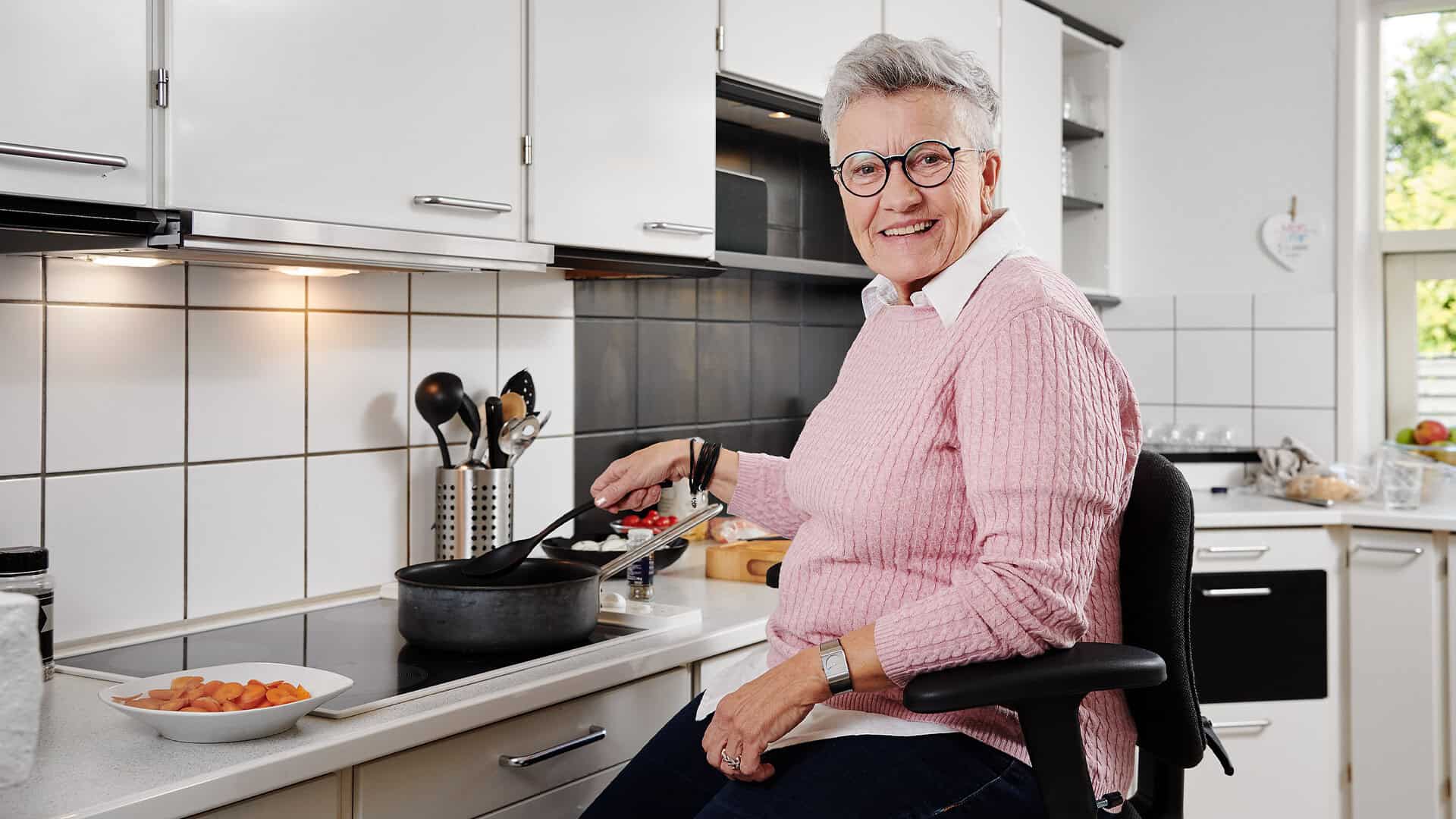
For seniors aiming to maintain independence either in the nurturing environment of their homes or within community settings, adaptive solutions like VELA chairs are invaluable. These medically-approved mobility chairs enhance safety, provide freedom of movement while seated, and support daily activities such as cooking, dressing, or transferring. By reducing the physical demands on both the user and their informal caregivers, VELA chairs offer a practical approach to support older adults in their quest to live independently. For more information, see mobility chairs for independent living and senior chairs designed for home safety and independence.
Innovations in Assistive Technology: Empowering Senior Independence
Recent advancements in assistive technology, especially since 2025, are offering new opportunities for seniors to enhance independence and safety in their daily lives. Groundbreaking AI-powered smart wearables, such as iSee glasses, Envision, and Meta Ray-Ban smart glasses, provide real-time environmental navigation, hands-free scene recognition, and multilingual audio feedback, supporting those with low vision or mobility challenges to move more confidently indoors or outdoors (Envision; Ability Montana; First Aid for the Blind). These devices use AI to anticipate user needs, offering personalized audio cues and even predictive assistance for challenging situations at home, in community centers, or while enjoying the Santa Cruz outdoors.
Smart mobility solutions—including AI-enabled wheelchairs and exoskeletons, such as LUCI smart wheelchair add-ons and adaptive AI prosthetics—now feature pressure monitoring, autonomous navigation, and adaptive control for adjusting to home or uneven outdoor terrains. Personalized, hands-free digital assistants integrated into these devices also help seniors manage complex tasks, thus reducing reliance on caregivers and enabling greater “senior freedom” in familiar Santa Cruz settings (PMI Space Coast; Ability Montana).
Additionally, the integration of community feedback, especially through beta testing and inclusive design, is resulting in more intuitive, adaptable solutions that directly reflect user needs. Devices such as wearable haptic navigators, while experiencing some shipping delays (e.g., Glide now projected for 2026), continue to receive improvements informed by user experiences and clinical trials. Insurance and grants are increasingly available to help seniors fund devices like LUCI and iSee, broadening access to next-generation technology (McKnight’s Home Care).
Clinical progress in brain-computer interfaces (BCIs), such as Neuralink trials, signals encouraging future possibilities for seniors experiencing severe paralysis—some have achieved control of assistive devices or limited movement through neural implants, offering hope for expanded autonomy in the coming years (Ability Montana; Level Access). While full market availability is still ahead, these advances reflect a trend toward ethical, user-driven design and demonstrate the rapid evolution of assistive technology for seniors.
How Mobility Solutions Like VELA Make a Difference
Staying independent at home is a cherished goal for many seniors, and VELA Chairs may offer a pivotal solution in this pursuit. With features like a central brake for safety, electric height adjustability, and effortless movement while seated, these chairs facilitate daily life for seniors by easing tasks such as cooking, cleaning, and relaxing. By promoting dignity, safety, and energy conservation, VELA can help delay the need for more intensive care solutions like nursing homes. While VELA represents a proven option, it’s important to consider individual needs and explore various adaptive aids that align with personal living situations, ensuring a supportive and dignified path to aging in place.