

Updated September 2025: We have updated the article with new insights on AI-enhanced assistive technology, smart home systems, robotic self-feeding devices, shared user-technology control in mobility aids, and current trends in inclusive ergonomic design. The latest evidence on market growth, regulatory developments, and access pathways for innovative independent living solutions has also been included.
Independent Living in Santa Fe: A Senior’s Guide to Vibrant, Safe Aging
Santa Fe, renowned for its stunning landscapes and rich cultural history, is a top destination for seniors exploring independent living. The city hosts a senior population of 25.81%, well above the national average of 16.84%, according to the U.S. Census Bureau. However, safety remains a crucial consideration, especially when considering that every year, more than one in four adults aged 65 and older falls (CDC).
Understanding Independent Living in Santa Fe
Santa Fe’s independent living arrangements provide a balance of autonomy and available support, ideal for seniors who are mostly self-sufficient but appreciate community engagement. Unlike assisted living—focused on personal and medical care—independent living is tailored to active seniors.
Consider Lawrence, a retired artist, who transitioned from a secluded ranch to an independent living community, enhancing his life with cultural activities and social opportunities, in line with the standards of ALTSD and Medicare guidelines.
The Santa Fe Senior Population: Unique Demographics and Needs
Santa Fe’s senior community is rich in diversity. With 40-44% identifying as Hispanic and non-Hispanic whites comprising over half, cultural influences shape local services. Seniors like Maria, who manage conditions such as arthritis on a fixed income, find affordable solutions vital for maintaining their lifestyle without financial burdens.
Leading Independent Living Communities in Santa Fe
- The Legacy at Santa Fe
- Brookdale Santa Fe
- MorningStar
The city offers varied amenities and high-quality care. A family member noted a seamless transition and exceptional care at The Legacy, praising their focus on mobility and social needs. When choosing a community, cultural integration and transport services are key, as seen in reviews via Caring.com.
Enhancing Independence: The Role of Mobility and Assistive Technology
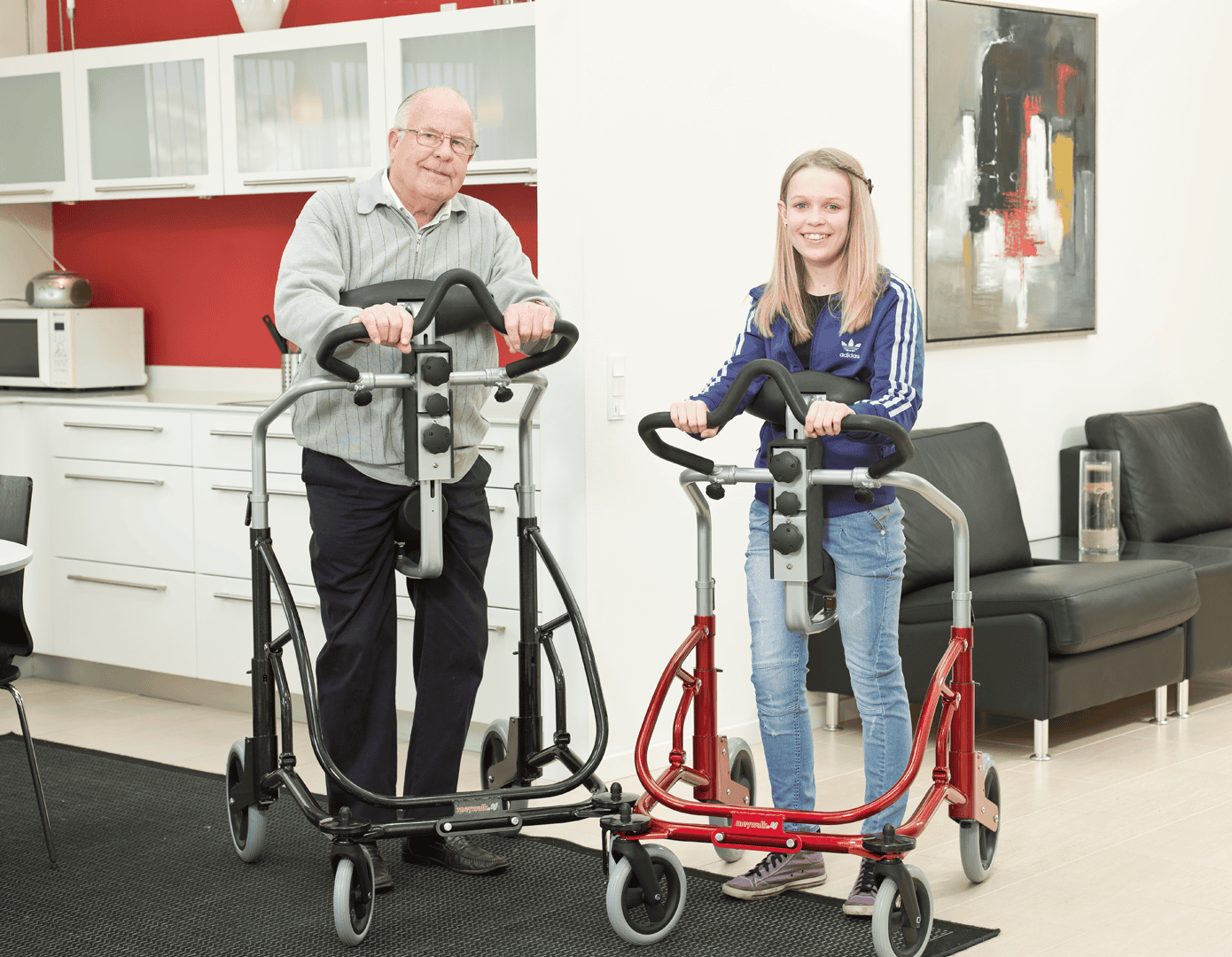
Recent advances in assistive technology have significantly enhanced the independence and quality of life for seniors in Santa Fe. Smart integration and AI-enhanced mobility aids, such as powered wheelchairs with autonomous navigation and wearable exoskeletons, now provide improved user-device integration. Devices increasingly share control functions with users, supporting both comfort and greater autonomy for older adults seeking to manage their mobility independently. In addition, smart home systems leveraging IoT and voice-activated controls are simplifying home management, reducing the physical effort required to operate lights, security, climate, and daily appliances. These innovations promote safety, allow seniors to control their environment, and enable continued participation in social activities (Tomcare; Equal Accessibility LLC; Ability Montana Blog).
Mobility challenges can significantly impact senior living. Introducing assistive devices like VELA chairs improves safety and autonomy, offering fall prevention, height adjustability, and easy transfers. Dr. Susan M. Otero stresses that integrating such technology can transform daily life by promoting independence.
In addition to traditional aids, innovative ergonomic and inclusive designs are improving the daily experiences of seniors and those with disabilities. Adaptive keyboards, mouth-controlled mice, and assistive eyewear that detects obstacles provide new methods of environmental interaction. Robotic self-feeding devices have demonstrated a 100% success rate in clinical trials for people with upper extremity limitations, further enabling independence in daily routines. These technologies are increasingly combined with behavioral strategies and shared control paradigms, giving users more personalized solutions that support rehabilitation and social engagement (Assistive Technology Outcomes and Benefits, Spring 2025).
Staying Independent at Home with Support
One practical approach to maintaining independence at home longer is through solutions like VELA Chairs. These chairs provide exceptional safety features, including a central brake system, which minimizes fall risks within the house. The electric height adjustability means that seniors can manage tasks like cooking or reaching shelves without unnecessary strain. Ease of movement while seated reduces the physical energy expended during transfers, making everyday activities more achievable. By enhancing safety and reducing effort, VELA may delay the need for transitioning into nursing homes. The ability to handle daily routines with dignity and freedom significantly enhances quality of life. While VELA is a proven option, other alternatives also exist, collectively contributing to a safer, more independent home life for seniors. For more insights on enhancing mobility at home, understanding these aids is essential for fostering independence.
The assistive technology market is expected to grow substantially, with a projected increase of USD 6.3 billion from 2025 to 2029. This growth is fueled by advances in AI, the prevalence of orthopedic and neurological conditions, and supportive health policy shifts prioritizing inclusivity. Recent developments in funding pathways, regulatory guidelines, and global awareness initiatives aim to expand access and affordability—especially for younger users and those with complex needs. Continuous innovation, user training, and an emphasis on accessibility remain central to modern independent living (PR Newswire; World Health Organization).
For Santa Fe seniors, adopting these new assistive technologies—combined with supportive community resources—greatly improves their ability to remain active, safe, and engaged with every aspect of daily life.