

Updated January 2026: We have updated the article with new findings on AI-driven assistive technologies, including smart wearables, live AI-powered mobility aids, advanced exoskeletons, and ergonomic innovations. The latest trends emphasize integrated AI assistants, multimodal interfaces for navigation and object recognition, and an increased focus on inclusive, user-centered design and community-driven innovations.
Demographic Profile: Seniors in Searcy, AR
Searcy, Arkansas, presents an appealing environment for seniors, blending affordability with quality care. The city is home to a senior population of 15.3%, a significant portion compared to the younger median age of 31.1—a factor influenced by Harding University. According to U.S. Census Bureau, the median household income is $50,896, indicating a diverse economic background of working-class families and retirees seeking budget-conscious lifestyles. Data USA highlights these demographics further.
Common health concerns for seniors in Arkansas mirror national trends with prevalent conditions like heart disease and diabetes. Approximately 80% of older adults in the U.S. manage at least one chronic illness. According to CDC, in Searcy, seniors often require mobility aids due to arthritis or diabetes, highlighting the need for accessible living accommodations.
Understanding Independent Living: What to Expect Locally
Independent living in Searcy offers autonomy-focused lifestyles without the extensive medical care typical of assisted living. Residents enjoy private living areas with communal dining and activities, with local programs abundant due to the influence of community and faith-based resources. The Arkansas State Plan for Independent Living (SPIL) underscores these services, prioritizing underserved populations. For instance, a senior couple might choose an independent living community to take advantage of cultural events at nearby Harding University.
Top Independent Living Communities in Searcy: Features and Reviews
Searcy’s top-rated facilities include The Crossing at Riverchase, Harding Place Retirement Community, and Providence Assisted Living. Residents commend these facilities for their attentive staff, quality activities, and commitment to safety.
Harding Place Retirement Community, in particular, is recognized for high-quality meals and its strong community atmosphere, as noted on platforms like Assisted Senior Living and Senior Advice. Newcomers often participate in social events and develop friendships that boost emotional and mental health.
Cost of Independent Living in Searcy: What’s Included?
Independent living costs in Searcy range from $2,000 to $3,200 monthly, depending on the amenities and apartment size. These fees generally cover meals, housekeeping, and activities, and remain below national averages. Data USA provides insights into these cost structures. Retirees typically engage in careful financial planning, weighing homeownership costs—median local property values are $176,200—against the expense of independent living to maintain fiscal health.
Common Health and Mobility Needs for Searcy’s Elderly Residents
To preserve independence, many seniors adopt adaptive equipment crucial for daily tasks and fall prevention. In 2025 and 2026, seniors in Searcy have access to an expanded and advanced range of assistive technologies, reflecting rapid shifts towards AI-driven and wearable solutions. Current smart mobility aids now feature integrated AI-powered sensors, enabling GPS navigation, automatic collision avoidance, health monitoring, and user-customizable settings through mobile apps. Modern smart wheelchairs provide adaptive navigation, automatic braking, and pressure-relief functionalities, allowing for greater autonomy and safety. For visually impaired users, live AI-enabled smart glasses—such as Meta’s Ray-Ban Smart Glasses, now enhanced with real-time, voice-activated scene interpretation, object recognition, and hands-free haptic feedback—deliver proactive support for independent navigation and environment interaction.
There is a noticeable move from stand-alone assistive apps to fully embedded, always-on voice assistants capable of providing contextual guidance for multiple daily challenges. Exoskeletons with adaptive control systems and user-centered ergonomics now support users with reduced mobility, while AI-powered wearables, such as haptic vests and tactile feedback devices, offer nuanced object detection and navigation cues. Recent innovations focus on multimodal interfaces, including voice, tactile, and predictive feedback, making independent living solutions more adaptable to a wide range of physical and cognitive needs. The expansion into multilingual support, advanced scene recognition, and improved ergonomics highlights the sector’s drive for both inclusivity and practical usability.
Community-driven innovations, such as the introduction of devices like the delayed Glide haptic mobility tool and smart prosthetics with advanced adaptability, continue to shape the local market. Ethical considerations— including regular bias audits for AI, privacy protection, and inclusive product development processes—are now at the forefront of adoption and design. While clinical research and regulatory changes remain stable, reviews emphasize the enduring importance of cognitive accessibility, hands-free operation, and product design that accommodates both vision and mobility impairments.
Sources: Nabroward; ThinkBeyondTheChair; Ability Montana; EqualAccessibility; TomCare; Everything Medical Online; LetsEnvision; Market.us; InnoCaption; FAFTB; SEN Teachers Training; PMISpaceCoast; JVIB; Level Access; Accessibility.com.
How Arkansas Regulates Independent Living Facilities
Arkansas enforces stringent standards for independent living facilities, prioritizing resident safety and welfare. Medicare.gov highlights the importance of regulations emphasizing community safety, comprehensive staff training, and emergency preparedness, ensuring facilities meet high standards. In response to rapid advancements in assistive technology, state regulatory agencies now guide the integration of AI-enabled mobility aids, live AI assistants, and smart home systems as part of best practices in accessibility and independence. Updated clinical recommendations underscore the importance of user-centered design and personalized device functionality. Funding options continue to expand, aided by increased insurance support and grant availability, helping more residents access modern, adaptive equipment. The ongoing adoption of these technologies in healthcare, education, and public spaces in Arkansas aligns with global market and innovation trends for developed regions, driven by an aging population.
Sources: Technavio; Nabroward; Market.us; InnoCaption; PMISpaceCoast; JVIB; Accessibility.com.
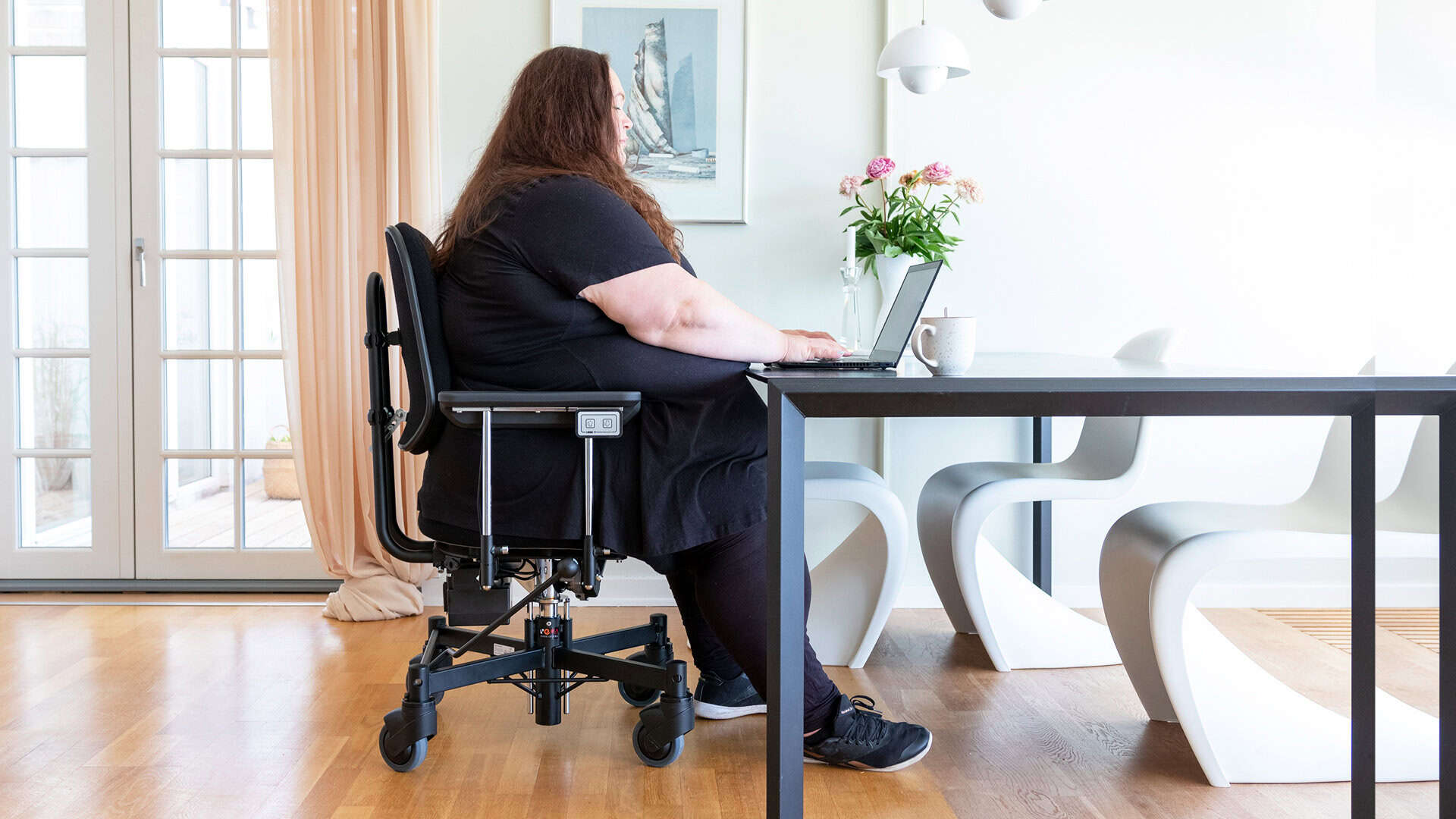
As seniors aim to remain in familiar environments, innovative seating solutions prove invaluable. The VELA Independence Chair helps extend this independence, emphasizing dignity and safety. Key features such as a central brake for stability, electric height adjustability, and ease of movement allow users to perform everyday tasks like cooking or cleaning with minimal strain. VELA ergonomic chairs for elderly independence significantly reduce the need for nursing home care, illustrating a viable option for many families. Life without such support can involve taxing tasks and limited autonomy, while the chair encourages active participation in daily life, preserving energy and ensuring safety. Although VELA is not exclusive, it’s a proven tool fostering elder autonomy and lessening caregiver burdens.
Looking to the future of independent living, collaborative development is central to progress. The latest phase is defined by partnerships among technologists, clinicians, and users to advance device mechanics, interface design, and shared control systems. This fosters ongoing adaptation of accessibility solutions to better match the evolving needs, preferences, and daily routines of users. The emphasis on personalization, adaptive ergonomics, and inclusive product options ensures that assistive technology continues to empower users and improve quality of life.
Sources: Nabroward; EqualAccessibility; NCBI; Everything Medical Online; LetsEnvision; Market.us; InnoCaption; FAFTB; SEN Teachers Training; PMISpaceCoast; JVIB; Level Access; Accessibility.com.