

Updated September 2025: We have updated the article to reflect important advancements in AI-driven assistive devices, integrated IoT and navigation technologies, multisensory and ergonomic design improvements, and recent policy developments that are enhancing independent living and dignity for seniors at home.
Independent Living Skills for Seniors: Maintaining Autonomy and Dignity at Home
Maintaining independence as we age is a fundamental desire shared by many seniors. The concept of “independent living skills” encompasses essential abilities that allow seniors to live autonomously in their own homes, preserving their dignity, health, and quality of life. According to CarePatrol, nearly 90% of seniors wish to age in place, underscoring the importance of these skills.
Essential Personal Care Skills for Senior Independence
Effective personal care skills form the foundation of independent living for seniors. These skills include managing personal hygiene, dressing appropriately, and adhering to health maintenance routines. Many seniors experience challenges such as managing medication schedules or dressing with conditions like arthritis. For instance, Mrs. Thompson, a 78-year-old with arthritis, finds adaptive clothing helps her dress independently, maintaining her sense of self-sufficiency. In recent years, technology such as AI-driven smart glasses with object recognition and scene description has begun to assist individuals with vision loss or mobility impairments, enabling more intuitive interaction with daily routines and environments.[1][3][6] For further guidance on these skills, visit EveryLife Technologies.
Nutrition and Meal Preparation: Foundations of Independent Living
Proper nutrition is critical for seniors to sustain their health and independence. Essential components include grocery shopping, meal planning, and understanding kitchen safety. Seniors like Mr. Lee, an 82-year-old managing diabetes, illustrate the importance of adhering to a dietary plan that controls glucose levels while enjoying a variety of meals. Technologies embedded with AI and IoT now allow adaptive support in the kitchen—such as voice-guided recipes and safety reminders—tailored to user behavior and needs, streamlining meal preparation and encouraging healthy habits at home.[2] An insightful case study on this topic is available at Desklib.
Home Safety and Management for Aging in Place
Creating a safe and organized home environment is vital for aging in place. Seniors often develop skills to perform minor repairs and manage their spaces effectively. For example, strategic furniture placement has proven to reduce fall risks significantly, as demonstrated in the experience of Mrs. Alvarez, who rearranged her living room to create clear pathways. New indoor navigation technologies—such as Bluetooth beacons, LiDAR mapping, and AI-powered audio walkthrough systems—further enhance safety by enabling seniors, especially those with vision or mobility impairments, to navigate their homes and public indoor spaces independently and confidently.[1][6] For practical tips on home safety, explore Bellomachre.
Financial Independence and Protection from Exploitation
Managing finances is a crucial aspect of independent living. Seniors must navigate tasks like budgeting, avoiding scams, and managing their finances amidst cognitive decline. An example is Mr. Patel, who manages his finances by using online banking tools with help from his daughter, ensuring financial autonomy. Recent AI-powered digital assistants are increasingly being integrated with financial management tools, providing intuitive support and helping protect against fraud and exploitation.[2][3] Strategies for financial management are discussed in-depth at Parent Center Hub.
Overcoming Challenges of Aging: Mobility Solutions at Home
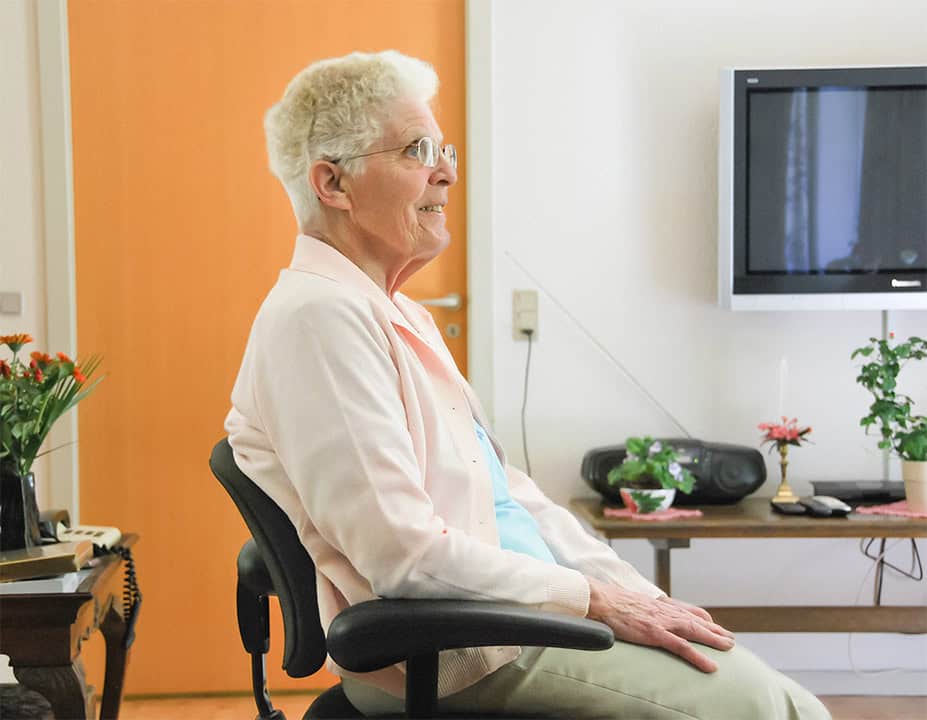
While many seniors prefer to live independently, the transition into nursing homes can often be driven by mobility challenges. Innovations like the VELA Independence Chair offer a promising solution to help older adults remain in their homes longer. The VELA Chair is a medically approved mobility chair designed for home use, providing enhanced safety, freedom of movement while seated, and support for daily activities such as cooking, dressing, or transferring. These features significantly reduce the reliance on informal caregivers, allowing seniors to stay active and independent in their own environment.
Additionally, the latest advances in ergonomic and inclusive design prioritize improved usability in assistive devices. Enhanced tactile feedback, optimized button placement, and multisensory interfaces—including haptic feedback and braille technology—are making rehabilitation and daily use more accessible and effective for older adults and persons with disabilities.[6]
How Mobility Solutions Like VELA Make a Difference
Mobility solutions play a pivotal role in keeping seniors independent and delaying nursing home admission. VELA Chairs offer practical features that resolve common challenges, such as difficulty in transferring or lack of energy to perform daily tasks. With a central brake for safety and electric height adjustability, these chairs ensure secure seating and ease of movement. Seniors using a VELA Chair experience increased safety and energy conservation, enabling them to manage everyday tasks from cooking to relaxing more independently and confidently.
The choice of living with or without a VELA Chair vividly highlights its life-enhancing benefits. For seniors, this means navigating their homes with dignity, freedom, and minimal strain. Though VELA is not the only option, it stands as a proven tool supporting Independent Living for Seniors. By reducing caregiver burdens and helping seniors stay at home longer, VELA Chairs contribute significantly to aging in place independently. For more on the advantages of such supportive devices, consider checking resources that provide Help for Seniors at Home.
Policy Developments and Expanded Access to Assistive Devices
Globally, regulatory bodies and market initiatives are working to enhance access to assistive products, especially in low- and middle-income countries where supply is often limited. Adaptive measures by agencies such as the FDA have helped streamline the delivery of assistive devices, particularly following the needs highlighted by the COVID-19 pandemic.[2][5] These efforts are crucial to ensuring equitable support for all individuals wishing to age in place with dignity, through development and distribution of high-quality mobility aids and technology.
References
- Florida Reading. Top Assistive Tech Trends for the Visually Impaired in 2025 (AI smart glasses and indoor navigation advances). [1]
- Cognitive Market Research. Assistive Technology Market Report 2025 (AI and IoT in mobility aids, aging-in-place solutions, and regulatory updates). [2]
- Let’s Envision Blog. Future of Assistive Technology in 2025 (Shift to integrated AI assistants). [3]
- Accessibility.Com and World Intellectual Property Organization reports on innovations in assistive tech including prosthetics and sensory wearables. [4]
- ATscale and Clinton Health Access Initiative (CHAI) 2025 Assistive Products Market Report detailing supply and demand challenges globally, especially in LMICs. [5]
- Journal of Visual Impairment & Blindness (JVIB) 2025 Special Issue call highlighting ergonomic design, haptic feedback devices, navigation systems, and braille technology innovations. [6]