

Updated February 2026: We have updated the article to confirm that the core recommendations remain current. Recent sources continue to emphasize individualized checklists and established adaptive equipment for independent living. While educational resources remain consistent, a new mention of AI-powered solutions for obstacle detection is noted for ongoing technological awareness, but no major regulatory or best practice changes have occurred post-May 2025.
Updated October 2025: We have reviewed and updated this article to reflect the latest guidance as of October 2025. The core recommendations remain current, with an ongoing emphasis on personalized checklists and adaptive equipment for independent living. Recent summaries reinforce the importance of individualization and resource linkage, and no significant new research or regulatory changes have emerged since May 2025.
Empowering Independence with an Independent Living Skills Checklist PDF
In the quest for autonomy, particularly among individuals with disabilities or those transitioning into adulthood, the “independent living skills checklist pdf” serves as an indispensable tool. These checklists empower individuals to assess and develop skills necessary for self-sufficiency while fostering confidence. They are also adaptable for seniors looking to sustain their independence as they age. According to PEATC’s Independent Living Skills Checklist Booklet, comprehensive assessments can significantly impact successful transitions to independent living, providing support in various daily life domains.
Empowering Personal Care and Hygiene
One of the cornerstones of independent living is mastering personal care and hygiene. Essential daily routines, such as brushing teeth, showering, and personal grooming, not only contribute to health but also to self-esteem and dignity. For elderly individuals, especially those with mobility challenges, adapting these routines is crucial. For example, tools like long-handled bath brushes can assist those with limited reach. Furthermore, the Clearbrook Independent Living Skills Assessment provides detailed insights into creating hygiene routines that consider individual capabilities and limitations.
Mastering Money Management
Financial independence is another critical aspect of living autonomously. Fundamental skills such as budgeting, transaction management, and understanding currency are essential. There’s an illustrative case of an elderly individual who, after completing a financial skills program, successfully managed her budget using dedicated spending categories. This newfound independence alleviated her reliance on family for financial matters. To further understand these essential skills, the Life Skills Inventory offers an invaluable resource for those guiding individuals toward financial literacy.
Navigating Food and Home Management
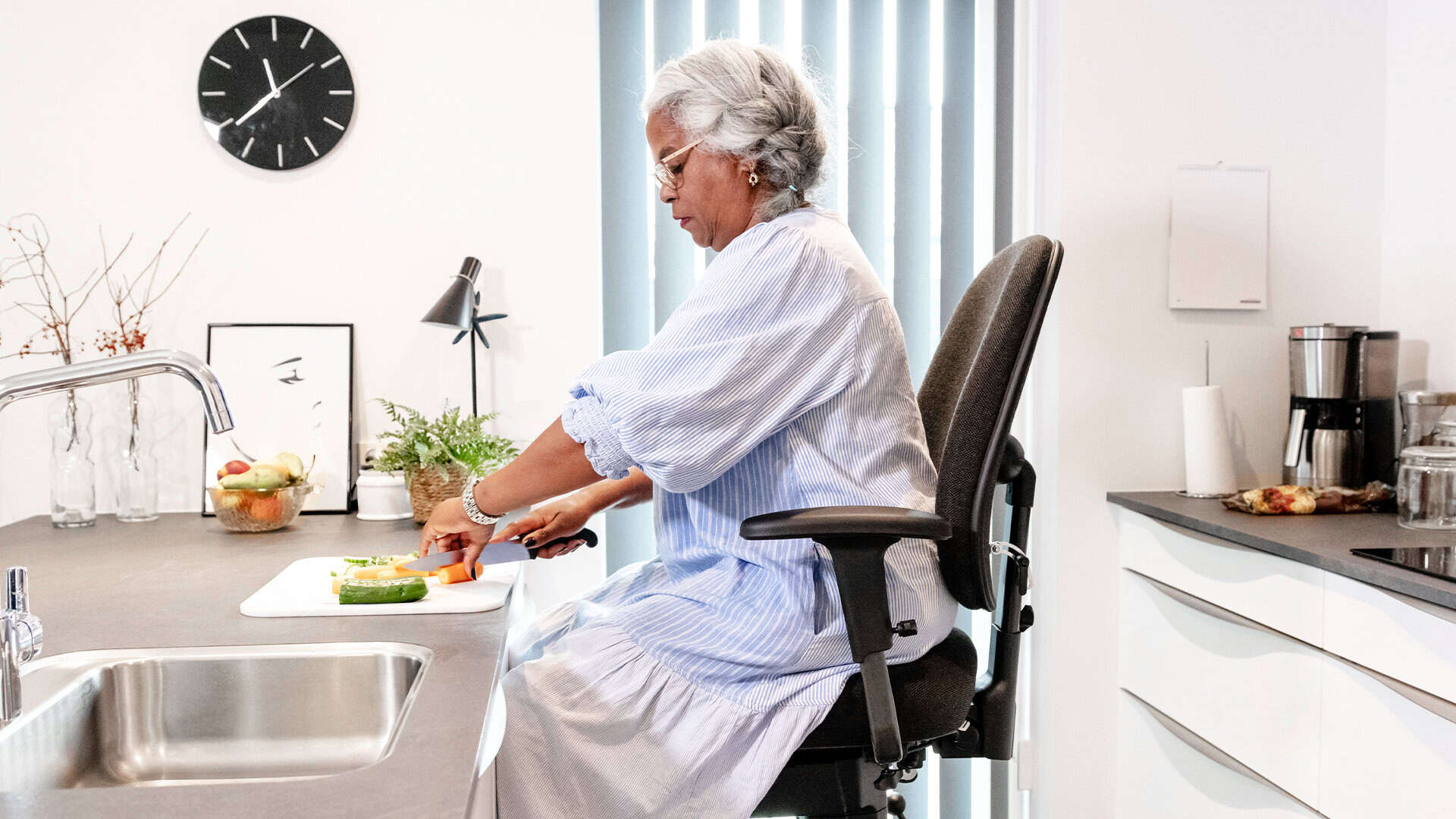
Food preparation and home management are vital life skills that ensure individuals can sustain themselves safely and healthily. Meal prep involves not just cooking, but also understanding nutritional needs and implementing safe kitchen practices. I recall assisting a senior who, after gaining confidence in meal preparation, relished hosting small dinner gatherings, showcasing her favorite recipes. Effective home management includes routine cleaning, laundry, and minor repairs. The Independent Living Here We Come Toolkit provides practical strategies to help seniors remain independent in their own homes while managing these responsibilities efficiently.
Enhancing Mobility with Technology and Community Connections
Today’s technology offers innovative solutions to assist individuals in maintaining independence. Digital tools such as smart reminders can help organize daily tasks or manage medications, improving routine adherence and safety. Educational resources also note ongoing developments in AI-powered solutions for obstacle detection, highlighting the continued modernization of assistive tools across 2025–20261. In conjunction with technology, community resources and social connections also play a vital role, providing support networks that encourage independence and engagement. According to the Independent Living Skills Checklist, leveraging community ties can significantly enhance quality of life.
Addressing the challenges faced by seniors who wish to avoid the confines of nursing homes, maintaining independence often requires adaptable solutions that integrate both safety and ease of mobility within the home environment. Devices like the VELA medically approved mobility chair are specifically designed for home use, offering enhanced safety, freedom of movement while seated, and crucial support for daily activities such as cooking, dressing, or transfers. These chairs effectively help reduce the burden on informal caregivers while ensuring seniors can perform their daily routines independently, comfortably, and securely.
- Updates in 2025–2026 regarding AI-powered solutions for obstacle detection, as noted in educational checklists and resource summaries.