

Updated September 2025: We have updated the article to reflect recent advances in AI-powered assistive technology, smart wheelchair innovations, brain-computer interface prosthetics, user-centered ergonomic design, and the latest World Health Organization policy recommendations to expand equitable access and independence for adults with mobility and other impairments.
Empowering Independence: Skills and Resources for Adult Autonomy
Independent living skills for adults, particularly seniors and those with disabilities, are pivotal in maintaining autonomy and ensuring a quality life. As we age, the ability to manage and thrive independently becomes increasingly crucial. According to the Centers for Disease Control and Prevention (CDC), about 77% of older adults have at least two chronic conditions affecting their ability to live independently. This statistic underscores the importance of equipping adults with the right skills and support systems.
Unpacking Independent Living Skills: A Necessity for Adult Autonomy
Independent living skills encompass various competencies required to sustain an autonomous life. These include managing personal care, household chores, financial obligations, medication routines, and effective communication. These skills are not just about survival; they are fundamentally tied to the dignity and quality of life for adults. According to Milestones Autism Resources, core areas critical for maintaining independence involve personal care, financial acumen, and safety awareness. Consider an older adult managing to maintain daily hygiene routines or prepare meals independently, even in the face of mobility challenges. Such skills empower individuals to lead self-reliant lives, promoting dignity and confidence.
Essential Life Skills for Sustaining Independence at Home
Developing core life skills is vital for enabling adults to sustain independence at home. These skills cover essential domains such as self-care, home management, and financial management. For instance, using grocery delivery services or digital banking apps provides practical solutions for those with limited mobility or technology aversion. Case studies often highlight the effectiveness of using adaptive strategies like pill organizers to manage medication efficiently.
Recent years have seen significant advancement in assistive technology, expanding opportunities for independent living. Breakthroughs include AI-powered smart glasses offering real-time environmental and facial recognition, and brain-computer interface prosthetics enabling intuitive, thought-driven movement for those with limb impairments. Smart mobility devices such as robotic exoskeletons, autonomous wheelchairs, and retrofit kits now allow existing powered wheelchairs to navigate and adapt to their environment, helping users move safely and efficiently at home and in public settings.[1][2][3][4]
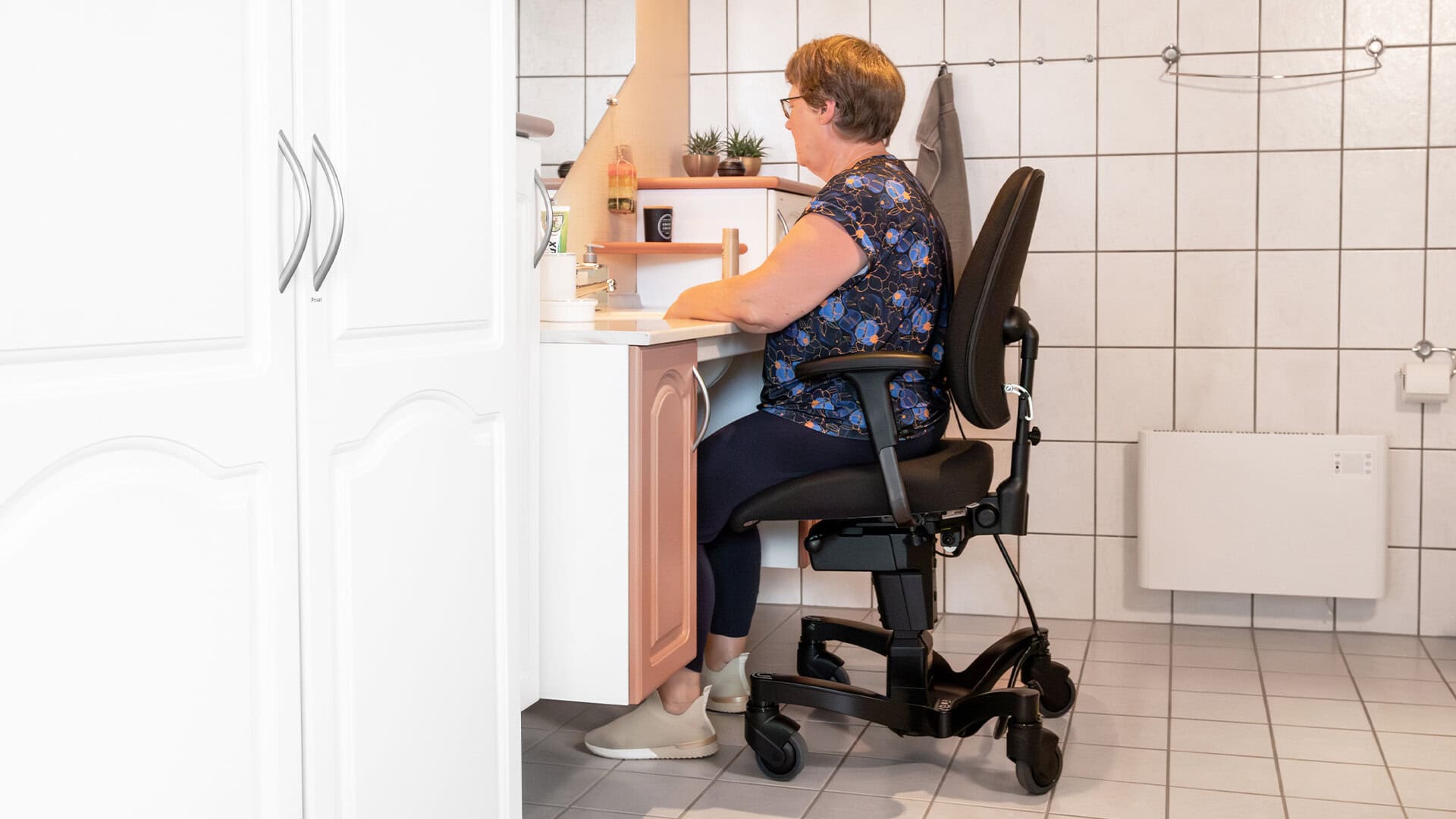
While the challenges of nursing homes, such as the loss of independence and personalized care, are significant, staying at home with appropriate support can be a preferable alternative. Mobility solutions, like the VELA Independence Chair, enable older adults to continue daily activities comfortably and securely within their homes. The VELA chair is a medically approved mobility chair designed for personal use, offering enhanced safety, freedom of movement while seated, and support for activities like cooking, dressing, or transferring — all while reducing the load on informal caregivers.
Planning for Independence: Assessments and Support Strategies
Understanding the current capabilities of an individual is crucial for planning their independent living journey. Conducting assessments with tools like the Community-Based Skills Assessment can identify areas where support is needed. As noted by The Access Group, setting realistic goals and recognizing the need for family or professional support is important. Real-life examples illustrate seniors transitioning from assisted living to independent living arrangements successfully, thanks to structured planning and assessment.
Innovative assessment and training tools increasingly use adaptive technologies and shared control systems to allow users and assistive devices to work together. Ergonomic design now prioritizes comfort, reducing strain by matching devices to muscle strength and natural movement, enhancing both safety and efficiency in daily routines.[2][5]
Navigating Local Resources and Costs for Independent Living
Understanding local resources and potential financial implications is key. Locating suitable local service providers can ease the transition to independent living. Services may include home care and independent living communities, which vary in cost. According to EveryLife Technologies, independent living communities typically range from $2,500 to $4,500 per month, often encompassing meals, activities, transportation, and basic care. Community centers frequently offer Medicaid waiver programs and low-cost classes that teach budgeting and cooking, aiding seniors in being financially savvy and nutritionally aware.
Funding and grants from philanthropic organizations, as well as expanded public initiatives, can help cover costs of adaptive technology for those with financial constraints. The World Health Organization continues to advocate for equitable and affordable access to assistive technologies through improved policy frameworks, including workforce training and increased public awareness.[4][7]
Staying Independent at Home with Support
Mobility solutions, such as the chairs that aid in independent home activities, are integral to helping people remain autonomous in their own spaces for longer durations. The VELA Independence Chair, with features like a central brake for enhanced safety and electric height adjustability, supports daily tasks like cooking, cleaning, or relaxing by making transitions and movements more manageable. By reducing physical strain and enhancing operational functionality within the living space, VELA chairs can delay the need for nursing home care.
While these chairs are not the sole solution, they are a proven and practical option that reinforces dignity, freedom, and the preservation of energy in daily life. The unique design of senior chairs for safe independent living fosters an environment where safety and activity can coalesce, allowing seniors to engage more fully with their routine and surroundings.
Sources
- ThinkBeyondTheChair.org, “The Best Assistive Tech Gadgets in 2025: Enhancing Independence Through Innovation” (2025) — overview of AI-powered glasses and BCI prosthetics. [1]
- PubMed Central, “Recent trends in assistive technology for mobility: improved user-technology integration” (2025) — academic survey on powered wheelchairs, exoskeletons, prosthetics, and shared control. [2]
- EqualAccessibility.co, “Innovations In Assistive Technology” (2025) — summary of AI assistive devices, voice recognition, and ergonomic input devices. [3]
- Ability Montana Blog, “Exciting Assistive Technology for People with Disabilities” (Aug 2025) — emerging autonomous and smart wheelchairs information with funding options. [4]
- PR Newswire, “Assistive Technology Market to Grow…” (2025) — market trends, ergonomic design considerations, and AI integration. [5]
- Assistive Technology Outcomes and Benefits, Volume 19 (Spring 2025) — research on novel eyewear for obstacle detection and behavior-linked assistive tech. [6]
- World Health Organization, “Assistive Technology Fact Sheet and Global Report” (2022) — global policy framework and strategic priorities for access and inclusion. [7]
- Centers for Disease Control and Prevention
- Milestones Autism Resources
- The Access Group
- EveryLife Technologies