

Updated February 2026: We have updated the article to include the latest advancements in smart assistive technology for teens, such as AI-powered wheelchairs with obstacle detection, modular and customizable mobility aids, autonomous navigation, new wearable and haptic navigation tools, and adaptive input devices like sip-and-puff systems. The article reflects trends towards user-centric, upgradeable solutions that support independent living, with highlights from CES 2026 and updated funding and policy resources to enhance accessibility.
Independent living skills: empowering teens for a successful future
As teenagers transition into adulthood, developing independent living skills becomes crucial to their success and quality of life. According to Occupational Therapy Australia, teens equipped with strong independent living skills are more likely to thrive in adulthood, experiencing enhanced self-sufficiency and overall well-being. These skills are vital for all teenagers, including those with disabilities, as they embark on the journey to independence.
Mastering personal care and self-management
Personal care is the cornerstone of independence. Managing hygiene, taking responsibility for health, and ensuring safety are vital steps in fostering self-management. For teens, understanding the significance of daily routines, such as bathing, dental care, and appropriate grooming, is essential. Checklists can guide teens through their hygiene tasks, building sustainable routines.
In-depth studies published in the National Center for Biotechnology Information emphasize the importance of personal care skills, identifying these as foundational to responsible living. These skills are not only practical but also linked to the confidence and autonomy teens need as they grow into adulthood.
Navigating household and financial management
Understanding household and financial management is another critical skill area for teens aiming for independence. Key skills include cleaning, organizing, and basic home maintenance. A teen proficient in these areas demonstrates their potential for autonomy.
Financial literacy is equally crucial. Teens should learn to budget, manage a bank account, and understand expenses. A teen who effectively manages their grocery budget and meal plans is actively preparing for adulthood. Research from PDXScholar underscores the role of financial management skills as predictors of adult independence.
Developing community navigation and social engagement
Navigating one’s community is vital for enhancing autonomy. Learning to use public transport, access resources, and engage with social norms is essential for teens. For example, a teen learning bus routes to visit a local library independently gains navigation skills and enriches their social experiences.
Strategies from TNOYS highlight that teaching community navigation skills promotes independence, empowering teens to explore and engage confidently, fostering a sense of belonging and participation.
Incorporating executive function and adaptive strategies
Executive function skills, including planning, organization, and problem-solving, are critical to independent living. These skills help teens manage daily tasks and unexpected situations. Adaptive equipment, like mobility chairs, enhances independence for those with physical challenges.
The field of assistive technology now places increasing emphasis on user-driven, smart solutions, with a particular focus on teens and young adults. Recent innovations include AI-powered and modular power wheelchairs with obstacle detection, autonomous navigation, and customizable seating systems that adapt as users grow—reducing the need for full device replacement and promoting independence through adolescence and beyond.Universal Health Products Advanced upgradeable add-ons, such as LUCI smart wheelchair modules and WheelMove attachments, make it easier for existing equipment to support new skills without the expense of total replacement.Ability MontanaMobility Management
Smart wheelchairs and all-terrain mobility solutions, such as the Robooter X40 and XSTO X12, now offer stair-climbing and advanced terrain handling, allowing teens and young adults to navigate environments previously considered inaccessible. CES 2026 recently showcased robotic transfer aids like ReviMo Niko and haptic navigation wearables such as Aleye glasses, further enabling independence and safety.Mobility ManagementAustralian Network for Universal Design
Adaptive computing tools are also rapidly evolving, with sip-and-puff and eye-tracking systems supporting independent computer use and writing skills for those with limited motor function. Rather than replacing entire systems, these add-ons empower teens to build practical skills and confidence, supporting their education and social participation.SEN Teachers Training
AI-powered communication and learning advancements, like predictive text and context-aware feedback, continue to support independence for users with visual, cognitive, or mobility-related disabilities. Increased modularity, ergonomic design, and insurance toolkits (e.g., LUCI funding letters) now help families and educators access and sustain these solutions.Ability Montana
For example, a teen using an adaptive input device or haptic wearable for safe community navigation demonstrates a proactive, technology-supported approach to self-management. These user-centric innovations foster greater autonomy, participation, and satisfaction as teens prepare for adult life in increasingly accessible environments.Australian Network for Universal Design Universal Health Products
Empowering independence through senior care insights
Independent living principles apply widely, including in elder care. By cultivating essential living skills early, teens are equipped for a fulfilling life. Recommendations from Lifeskills Advocate emphasize tailored approaches to nurturing independence, demonstrating adaptable strategies’ value across contexts.
Access to advanced technology can be challenging due to costs and awareness; however, recent policies, broader accessibility regulations, insurance coverage, and new initiatives—including equipment loan programs and targeted funding foundations—are making intelligent adaptive mobility and assistive technologies more accessible for youth. Organizations are also contributing to bridge gaps in funding, especially for teens and young adults.AbilityMT.org Funding toolkits developed by manufacturers and advocates now help families and schools navigate insurance processes to gain access to the latest modular assistive tech.Ability Montana
Recent clinical and peer-reviewed studies confirm that these assistive advances, especially when provided with user-centered ergonomic and adaptive designs, result in improved participation, safety, and quality of life as teens prepare for independent adulthood.ATIA PubMed Central By integrating technology, adaptive practices, and accessible consumer products early, teens with disabilities gain significant opportunities for greater autonomy and satisfaction in their lives.
In conclusion, developing independent living skills among teens is vital in preparing them for adulthood. Through empowered practices, executive function development, modern adaptive aids, AI-powered and autonomous technologies, and inclusive, user-driven design, teens can be well-equipped to face independence challenges. Imparting these skills fosters a generation of confident, self-reliant individuals poised to thrive.
How mobility solutions like VELA make a difference
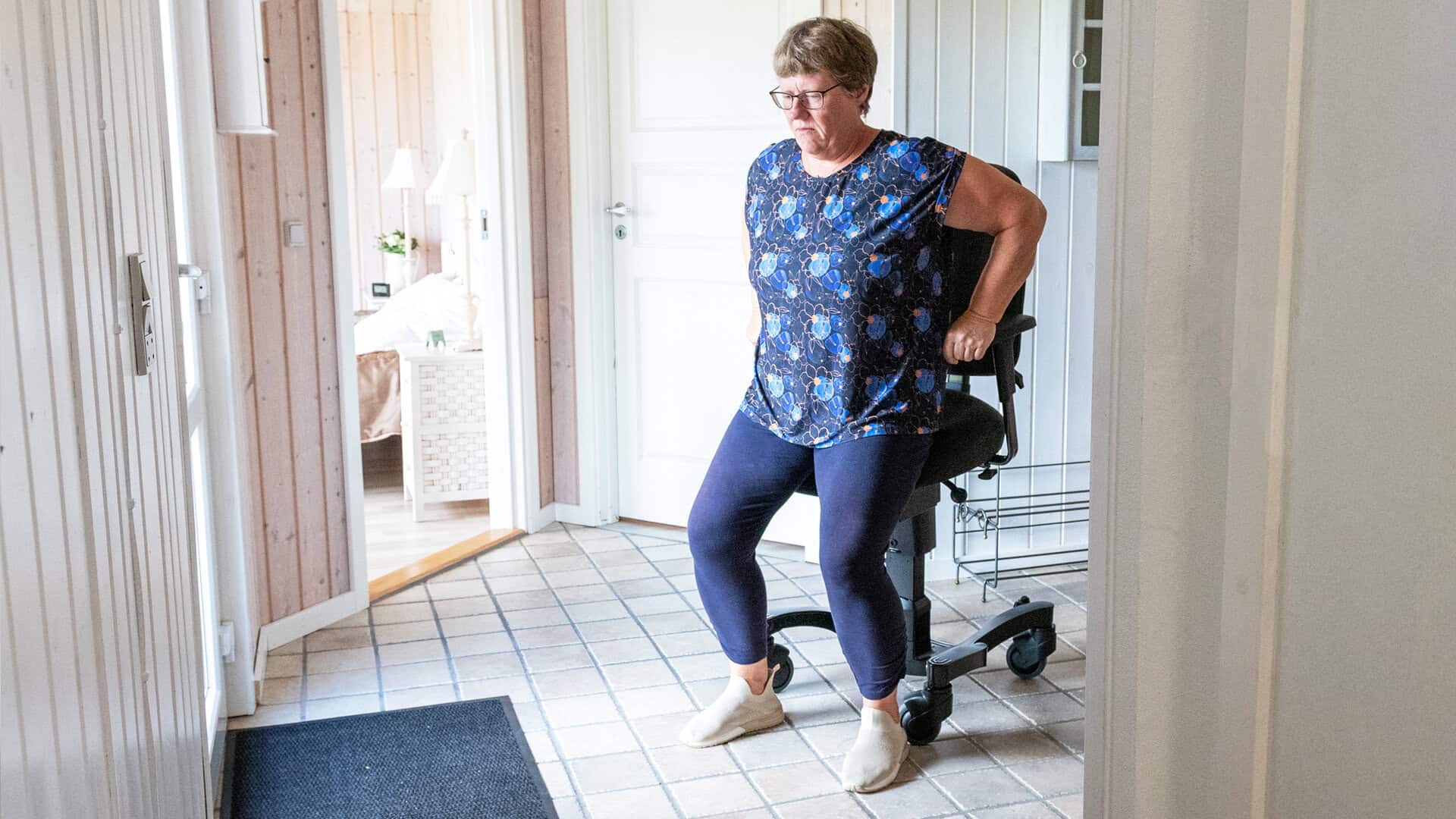
For many, maintaining independence at home is a priority that can be significantly supported by products like the VELA Chair. This innovative solution is designed with features that specifically address common challenges faced by older adults, such as ensuring safety and managing daily activities with ease. Equipped with a central brake for stability, electric height adjustability, and smooth wheeled movement, the chair helps users perform daily tasks like cooking, cleaning, and even relaxing, while conserving energy and ensuring safety.
By providing these capabilities, VELA Chairs help delay the need for moving to nursing homes, preserving dignity and freedom for users. Though not the only option available, VELA offers a proven, practical solution for enhancing life at home, supporting independent living, and alleviating pressure on caregivers. Learn more about chairs that promote independence for seniors.
References
- ThinkBeyondTheChair.org, “The Best Assistive Tech Gadgets in 2025”
- PubMed Central, “Recent trends in assistive technology for mobility”
- EqualAccessibility.co, “Current Assistive Technology including Voice Recognition and Wearable Robotics” (2025)
- H2HHC.com, “The Role of Assistive Technology in Supporting Individuals with I/DD” (2025)
- AbilityMT.org, “Smart wheelchairs with autonomous navigation and funding for youth” (2025)
- PR Newswire, Assistive Technology Market growth report (2025)
- ATIA, “Assistive Technology Outcomes and Benefits,” Journal (2025)
- National Center for Biotechnology Information, Executive Function and Independence (2025)
- Lifeskills Advocate, 25 Daily Living Skills Every Teen Should Know (2025)
- PDXScholar, Financial Management Skills Study (2025)
- TNOYS, TAY Life Skills Study Guides (2025)
- Occupational Therapy Australia – Adult Readiness Skills (2025)
- Universal Health Products, Top Mobility Trends for 2026: What’s New in Wheelchairs, Scooters and Accessibility Technology (2026)
- Mobility Management, CES 2026: 4 Assistive Technology Exhibitors to Watch (2026)
- Australian Network for Universal Design, CES 2026 Includes Mobility, Health and Smart Home Tools with Accessibility Potential (2026)
- Ability Montana, Exciting Assistive Technology for People with Disabilities (2026)
- SEN Teachers Training, Assistive Tech Trends in 2026 (2026)