

Updated September 2025: We have updated the article with the latest advances in assistive technologies for seniors, including AI-powered devices, smart home automation, customizable mobility solutions, new telemedicine integrations, and updated regulatory guidance, reflecting recent market growth and innovation trends through 2025.
Independent Living Skills Goals for Seniors: Empowering Autonomy and Safety at Home
As the global population ages, there is a growing emphasis on “independent living skills goals” for seniors. These goals are crucial in maintaining safety and health at home, enabling older adults to age in place gracefully. According to EveryLife Technologies, independent living encompasses a vast array of life skills necessary for seniors to stay safe and healthy within their own homes. This approach is increasingly valued as statistics show a rising number of seniors choosing to age in place, highlighting the need for practical and effective strategies to support this preference. Recent trends highlight rapid integration of advanced assistive technologies, including AI-driven devices and smart home systems, supporting autonomy and safety for seniors living at home.[1][2]
What Are Independent Living Skills Goals?
Independent living skills goals encompass the broad spectrum of abilities required for seniors to manage their daily lives autonomously. As defined by Bello Machre, these skills span essential tasks such as personal care, food preparation, housekeeping, and more. For instance, adaptive strategies might include organizing a kitchen to accommodate limited mobility or using assistive devices to manage personal grooming tasks more easily. Through such adaptations, seniors can maintain their independence, reducing the need for extensive external support. Leveraging new technology, customizable and AI-powered assistive products now enable a higher degree of personalization, meeting diverse needs by offering dynamic and context-aware support.[3]
Comprehensive Skills Checklist for Elderly Independent Living
A thorough checklist ensures seniors possess the skills necessary for day-to-day living. The checklist typically includes:
- Personal care
- Medication management
- Meal preparation
- Housekeeping
Practical tips for developing each skill set might involve setting up medication reminders or arranging cooking classes to enhance culinary independence. As demonstrated in a case study from Milestones Autism Resources, skill development is an ongoing journey, often initiated in childhood and adapted throughout life to meet changing needs in adulthood. Increasingly, these goals are supported by telemedicine, health monitoring wearables, and smart medication management systems, allowing for remote oversight and proactive intervention.[4]
Adaptive Equipment and Technology: Enhancing Independence
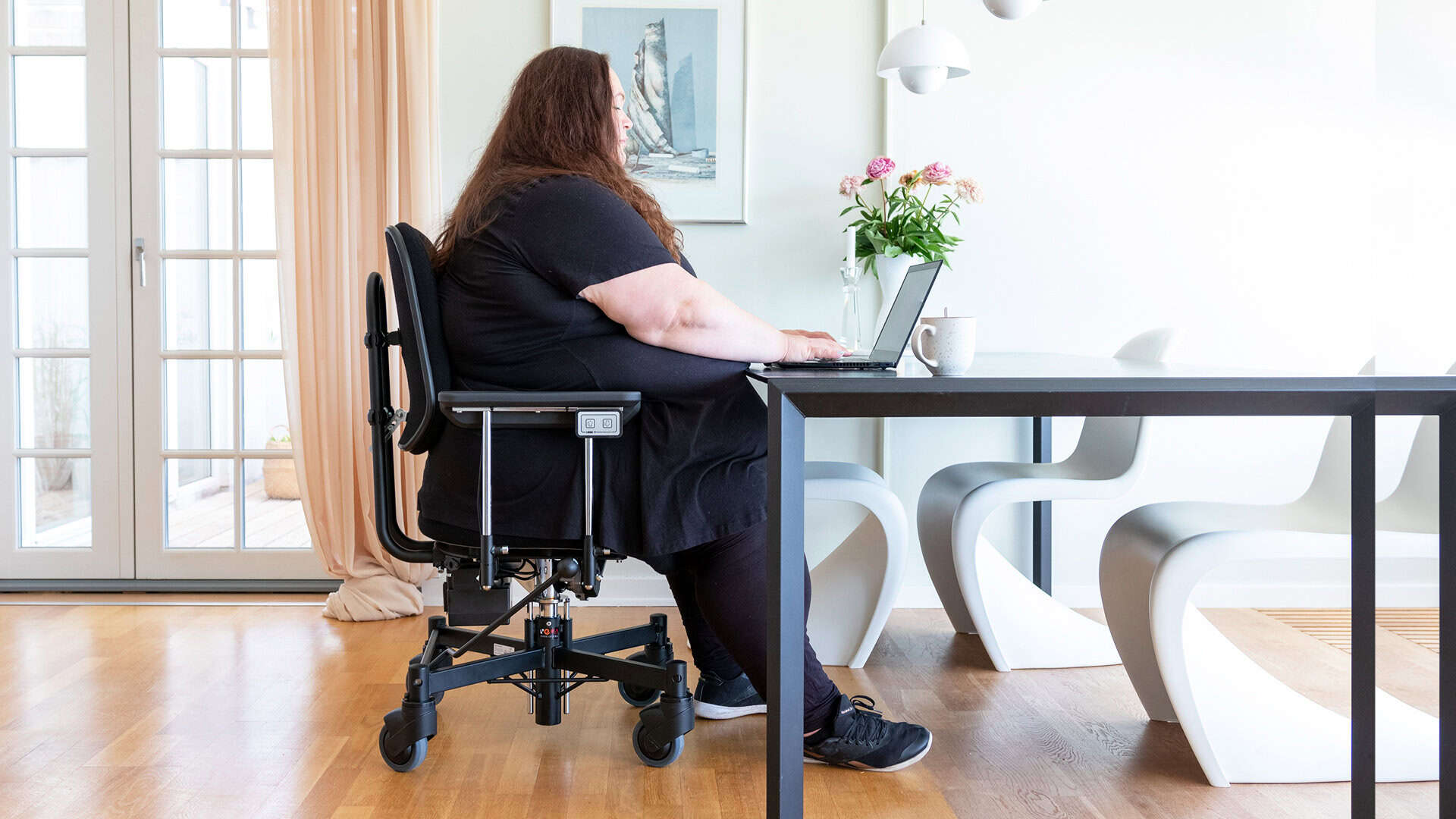
Adaptive equipment plays a pivotal role in supporting seniors to live independently. Tools such as VELA chairs are instrumental in addressing mobility and safety challenges, enhancing the daily living experience. For example, a senior using a VELA chair can safely navigate their home environment, reducing fall risks and promoting confidence. Insights from Andreas Angels emphasize the value of integrating such equipment into daily routines to support independent living skills training, ultimately enhancing autonomy and engagement in the community. The landscape now features innovative devices such as AI-powered smart glasses, context-aware hearing aids, and adjustable wheelchairs, offering greater customization and integration with smart home automation for lighting, security, and access control.[5][3]
Evidence-Based Strategies for Setting and Achieving Living Skills Goals
Setting and achieving independent living goals can be effectively guided by the S.M.A.R.T. framework—Specific, Measurable, Achievable, Relevant, and Time-bound. For instance, a senior might set a specific goal to walk a certain number of steps daily, as advised by Eventide Senior Living. This approach facilitates ongoing assessment and enables personalized adjustments to plans, ensuring goals remain aligned with the senior’s evolving capabilities and lifestyle preferences. A tailored strategy might involve a senior achieving a personal milestone in physical fitness, thereby enhancing overall well-being and self-sufficiency.
Integrating effective tools and strategies for independent living becomes a key focus as elderly individuals and their support networks seek alternatives to traditional nursing homes. Addressing the challenges seniors face when living alone, solutions like the VELA Independence Chair offer a medically approved option that supports home-based living. This chair provides enhanced safety, freedom of movement while seated, and assistance with daily activities such as cooking, dressing, or transferring, all of which alleviate the physical burden on caregivers. The recent expansion of AI-enabled and IoT-connected support systems—including voice assistants, fall detection sensors, and automated home controls—makes tailored support and increased self-sufficiency more accessible and scalable.[6][7]
How Mobility Solutions Like VELA Make a Difference
For seniors intent on maintaining independence, the innovative features of chairs designed for seniors maintaining independence like VELA play a critical role. These chairs come with safety features such as a central brake, electric height adjustability, and easy movement abilities while seated. This technology not only helps to prevent accidents and save energy but also delays or even removes the necessity of transitioning to a nursing home. By offering easy transfer and movement in key daily activities—whether it’s cooking, cleaning, or leisurely pursuits—such adaptive equipment supports a dignified, safe, and more autonomous lifestyle. While VELA is a tested solution in preserving senior independence, it’s important to consider various adaptive options to best meet individual needs. The market now includes a wider range of customizable, user-centered solutions and smarter digital platforms, supporting not only physical mobility but also real-time health monitoring and environmental control, thereby maximizing the potential for seniors to thrive at home.[5][2]