

Updated October 2025: We have updated the article with new findings on advances in assistive technology, including adaptive seating and communication devices, enhanced evaluation tools, and integrated inclusive educational frameworks in New Jersey. We also include information on expanded equipment loan programs, team-based assessment models, insurance advocacy, and the importance of training and support services for users and caregivers.
Independent Living in South Jersey: Navigating Life’s Golden Years
As the baby boomer generation ages, the demand for independent living in South Jersey is burgeoning. This shift towards autonomy with essential support services reflects the growing trend among seniors seeking active, community-oriented lifestyles. With approximately 15% of New Jersey’s population aged 65 and older, according to New Jersey Almanac, Cape May County is noteworthy, where seniors make up 26% of the residents. This vibrant demographic landscape underscores the escalating need for diverse independent living options.
Exploring Diverse Independent Living Options in South Jersey
South Jersey offers a rich tapestry of senior living environments, each catering to different lifestyle preferences. Life Plan Communities, also known as Continuing Care Retirement Communities (CCRCs), provide a continuum of care from independent living to assisted living and skilled nursing care. On the other hand, standalone independent living facilities focus solely on providing a community setting tailored for independent seniors.
Urban, suburban, and coastal settings offer unique advantages. Urban areas boast proximity to cultural hubs and healthcare facilities, whereas coastal living provides serene, picturesque landscapes appealing to those seeking tranquility. Suburban settings typically strike a balance, offering suburban charm with accessibility to essential amenities.
A case study from Springpoint Communities, as reported by Newsweek and Statista, highlights the seamless transitions seniors experience within these communities, reinforcing the efficacy of such models in supporting evolving care needs. Additionally, U.S. News & World Report noted that New Jersey boasts numerous top-rated facilities, ensuring seniors access quality care.
Strategizing Financial Plans for Independent Living in South Jersey
Securing a comfortable life in South Jersey’s independent living communities requires careful financial planning. Across various counties, the median monthly cost for independent living can vary significantly, necessitating a thorough cost comparison. According to Senior Living Cost Analysis, understanding the financial landscape is crucial for making informed decisions and avoiding unexpected expenses.
Insurance, Medicare, and long-term financial planning are integral components of financing independent living. Seniors are advised to explore these options early, especially if considering relocating to popular counties like Ocean County, where a well-structured financial plan can safeguard against future financial uncertainties, providing peace of mind.
Enhancing Independence with Adaptive Solutions for South Jersey Seniors
Maintaining independence hinges on adaptive solutions that address the changing physical capabilities of seniors. Home modifications, such as ramp installations and bathroom alterations, are foundational to creating safe living environments. Technology solutions, including mobility aids, offer additional support.
In recent years, New Jersey has seen important advances in assistive technology—especially in adaptive seating, communication devices, and user assessment. The latest state-of-the-art evaluation tools, such as pressure mapping, seating simulators, and eye-gaze systems, are increasingly used in rehabilitation and by assistive technology centers to tailor solutions for each user’s needs. Notably, centers such as the New Jersey Institute for Disabilities’ Augmentative Communication & Assistive Technology Center and Adaptive Seating & Equipment Center utilize team-based, personalized assessment practices to help ensure products align with individual goals across home, school, and community environments.
[1][2]
In the educational sector, there is a growing integration of inclusive technology ecosystems. These frameworks coordinate assistive technology with school curricula and instructional practices, enhancing learning outcomes for students with disabilities. The 2025 Assistive Technology & Education Summit at The College of New Jersey highlighted the value of such integrated approaches for inclusive living.
[4][5][7]
South Jersey is home to various transportation services designed to aid seniors, as highlighted by resources like the Center for Independent Living of South Jersey. These services enable seniors to remain active and engaged within their communities. Real-world examples reveal the positive impact of such modifications. For instance, a South Jersey senior who adapted her home with assistive devices, like grab bars and stairlifts, was able to successfully age in place, continuing to enjoy her independence thanks to these strategic modifications.
State and regional programs have expanded services for people with disabilities, including equipment loan programs, advocacy for insurance and payment navigation, and access to low-cost or free assistive devices—ranging from specialized communication aids and mobility equipment to telecommunication technologies for individuals who are deaf-blind. Ongoing training and support for both families and professionals is increasingly recognized as critical for successful adoption and continued use of these technologies. Training centers, such as those at The College of New Jersey, help ensure users and caregivers maximize the benefits of adaptive devices.
[3][6][8]
VELA Chairs: A Pathway to Maintaining Independence
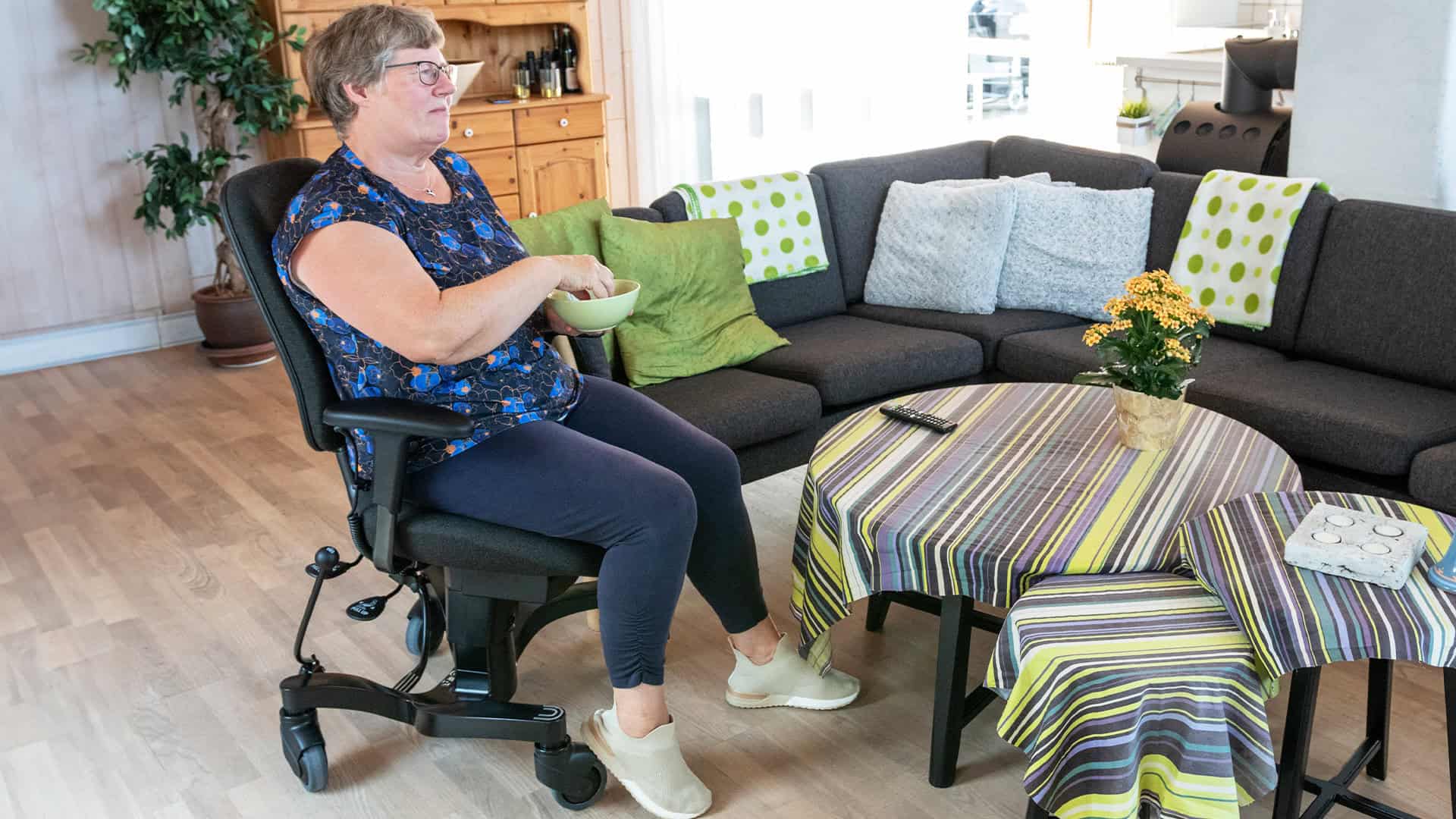
While nursing home interventions offer essential support, many seniors wish to remain in their own homes, enjoying the comforts of familiar surroundings while maintaining their independence. For those facing mobility challenges, solutions like the VELA Independence Chair provide an innovative pathway. This medically approved mobility chair is designed for home use, providing enhanced safety and freedom of movement while seated. It supports daily activities, including cooking, dressing, and transferring, while significantly reducing the load on informal caregivers. Incorporating solutions such as assistive mobility solutions for safer living, VELA chairs enable seniors in South Jersey to extend their independent lifestyle at home.
In summary, South Jersey offers a spectrum of independent living options, each with its unique appeal. With strategic financial planning and adaptive solutions at the fore, seniors can navigate their golden years with confidence. As articulated by Haven Senior Investments, discerning the right fit between independent living and senior home care options ensures a tailored living experience that meets individual needs.
How Mobility Solutions Like VELA Make a Difference
Mobility solutions, such as VELA chairs, play a significant role in helping seniors stay independent longer at home. These innovative chairs provide crucial support for everyday activities while addressing key challenges such as safety and energy conservation. Features like a central brake for stability and electric height adjustability enhance safety during activities like transferring between chairs or reaching for items. Additionally, the ease of movement while seated allows for active participation in daily routines, whether cooking, cleaning, or relaxing. By extending the time seniors can live independently and comfortably in their own homes, senior chairs designed for independent living may delay the need for more intensive care solutions. While VELA is not the sole answer, it represents a practical, proven option that prioritizes dignity, freedom, and the safekeeping of energy, helping seniors to maintain their valued autonomy.