

Updated September 2025: We have updated the article with new information on the latest AI and AR-powered assistive technologies, expanded details on South Carolina’s Technology First initiatives, advances in remote support and inclusive design principles, and current local approaches in Spartanburg that integrate technology and rehabilitation for enhanced independent living.
Empowering Senior Independence in Spartanburg: A Guide to Independent Living
Understanding Independent Living in Spartanburg, SC
Navigating the complexities of senior care often begins with an exploration of independent living options, especially for seniors in Spartanburg, SC. The city, with its charming ambiance and vibrant community, is home to a senior population of 17.32%, which surpasses the national average of 16.84%. According to U.S. Census Bureau, this makes Spartanburg an ideal location for seniors seeking a lifestyle that emphasizes independence, yet offers supportive community surroundings.
Independent living offers an environment where seniors maintain autonomy with minimal assistance, in contrast with assisted living, which provides comprehensive support for daily life activities. According to SeniorLiving.org, this lifestyle is perfect for those who value independence but appreciate the added benefits of safety and community within a senior-living environment.
Real-life examples illustrate the transformative impact of independent living. For instance, a Spartanburg resident named Mary found renewed joy and freedom by engaging in daily community activities that weren’t possible in a traditional home setting. Such communities provide a blend of social interaction and convenience, making each day enriching and stress-free.
Demographics and Senior Needs in Spartanburg
Spartanburg’s demographic landscape presents unique challenges for its seniors, shaped by age distribution, diverse backgrounds, and economic conditions. The median household income here is $35,650, considerably less than the national median, indicating a need for affordable, stable living solutions for many seniors. According to Habitat Spartanburg, common health issues, including arthritis and mobility challenges, further underscore the need for accommodating living environments.
Community surveys conducted by The Arbor Company highlight poignant scenarios where seniors, hindered by accessibility barriers in outdated homes, transition to independent living for its accessibility and welcoming community atmosphere. This change supports both physical and emotional well-being.
Independent Living: Local Market Overview
Spartanburg is home to top-rated independent living providers, praised for exceptional care and resident satisfaction. Facilities like Brookstone Terrace of Woodruff and Summit Hills are recognized for their attentive service and warm environment. A Place for Mom reports an average monthly cost of $3,871, reflective of the quality and amenities provided.
Financial assistance is available, ensuring accessibility for low-income seniors. Enriching programs, including meal services, transportation, and health clinics, cater to holistic resident needs. Stories such as one resident’s experience at Terra Bella, where they rediscovered nutritional health and happiness, underscore the community-centric approach that defines these facilities.
In recent years, leading independent living facilities in Spartanburg have also incorporated advanced assistive technologies. Offerings now include AI-powered smart glasses for facial recognition and navigation, and augmented reality (AR) solutions to provide immersive assistance for daily activities. These technologies, prominently highlighted by national trends and local centers like Summit Hills, further enhance independence and personalized support for residents. Summit HillsFlorida Reading
Ensuring Safety and Mobility at Home
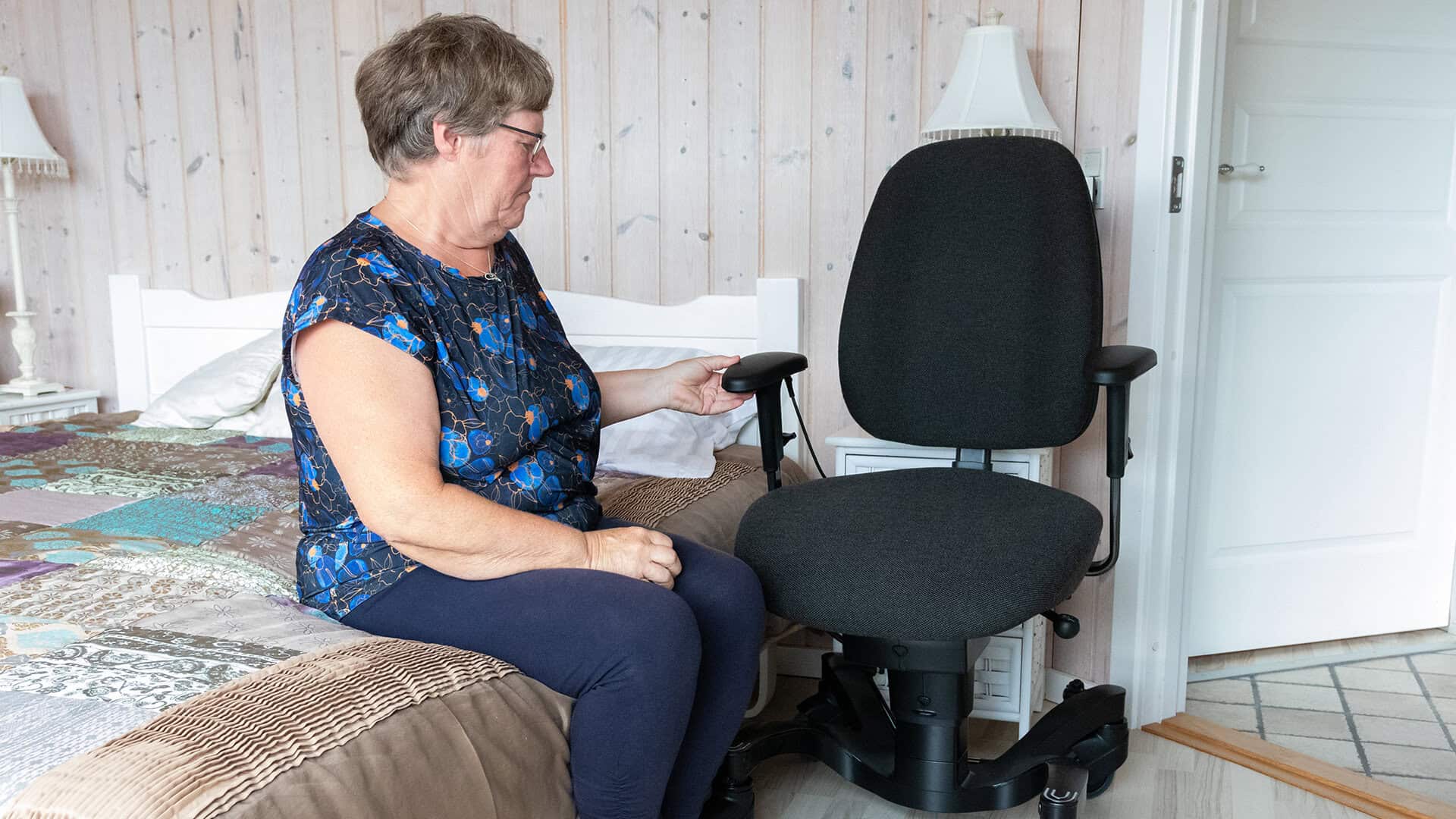
For seniors uncomfortable with the prospect of moving to nursing homes, maintaining independence in their own homes while ensuring safety becomes imperative. Recent advancements in assistive devices now go beyond traditional mobility aids. Adaptive utensils, smart wearables, voice assistants, and AI-enhanced navigation apps are increasingly used in Spartanburg to help seniors manage daily living and transportation, especially in rural areas. The VELA Independence Chair still exemplifies practical mobility support, serving as a medically approved mobility aid that supports seniors in activities like cooking and dressing, offering both safety through features like a central brake and freedom through adjustable height and movement ease. These new technologies, from remote support services to indoor navigation and AR tools, are helping create safer, more connected home environments that reduce reliance on caregivers and increase autonomy.Charles Lea CenterCSUN 2025
State and Federal Standards for Senior Living
Quality assurance in senior living is upheld through rigorous state and federal regulations. These standards mandate accessibility and enforce safety measures, translating into enhanced quality of life for residents. Spartanburg Housing highlights how compliance with these regulations fosters thriving senior communities, providing safety and legal protection. Real-world examples demonstrate how these standards enhance security and peace of mind, crucial for sustaining quality senior care.
In addition, South Carolina’s Technology First policy—recently enacted through statewide legislation—places priority on integrating assistive technology as a primary means of support for people with disabilities. This approach aims to increase independence and address workforce challenges in disability services. The policy also encourages local centers, such as those in Spartanburg, to design individualized support plans that combine both low-tech and advanced tech solutions, contributing to a more inclusive and supportive community. South Carolina Legislature
Supporting Aging in Place: A Practical Option
Mobility solutions like the VELA Independence Chair provide a tangible means of helping seniors stay independent longer in their own homes. By addressing the problems of safety, energy conservation, and ease of transfer, these chairs present an effective tool for delaying the transition to nursing care. Their central brake enhances safety, while electric height adjustability and the ability to move easily while seated promote freedom and reduce physical strain. In recent months, additional devices—such as AI-driven smart glasses, AR applications for visual interpretation, and remote video-based support services—have emerged, allowing seniors to manage tasks like navigation, reading, and communication with greater confidence. Life without such tools often means increased dependence and fatigue, but with VELA and contemporary assistive technologies, everyday activities like cooking, cleaning, or simply relaxing become feasible and joyful. These solutions preserve dignity and freedom, reinforcing a senior’s ability to manage independently at home, while local organizations like the Charles Lea Center enhance this progress by providing both technology and rehabilitation training as part of individualized support plans.Charles Lea CenterFlorida Reading
The Importance of Inclusive Design and Real-World Feedback
Recent expert conferences, such as CSUN 2025, have highlighted the growing importance of inclusive design and expanding the real-world use of assistive technologies. Innovations like visual interpretation services, AI-supported navigation, and remote monitoring are shaping a more accessible environment for seniors and people with disabilities. User feedback in Spartanburg and across South Carolina continues to inform the development and deployment of these devices, ensuring their practical value and accessibility for a broad range of users.CSUN 2025