

Updated January 2026: We have updated the article to reflect the latest advancements in assistive technology, including the integration of AI, IoT sensors, and voice-activated controls in mobility aids, innovations in powered exoskeletons and smart materials, expansion of telehealth-compatible devices, and the increased personalization and safety features supporting aging in place.
Empowering Seniors Through Collaborative Care
Navigating the complexities of senior care requires thoughtful collaboration and innovative solutions. Addressing this need, Kaiser Permanente has joined forces with Independent Living Systems (ILS) in California, creating a robust program dedicated to ensuring integrated care and support for seniors. According to Kaiser Permanente, this partnership extends across 24 counties, offering critical services such as care management and community-based assistance. Let’s explore how this collaboration transforms senior living.
What is the Independent Living Systems-Kaiser Partnership in California?
The Independent Living Systems-Kaiser partnership is a landmark initiative in California aimed at improving the quality of life for seniors. This collaboration focuses on delivering managed care and community-based services to meet the growing needs of the elderly population. Essential services include housing transition assistance, tenancy services, and comprehensive care management. These services are vital for seniors transitioning from nursing facilities to independent living, as they enable a smooth transition while maintaining the quality of care. For instance, recent cases have shown how elderly individuals successfully moved from nursing facilities back to their homes, gaining greater independence and satisfaction (ILS Health).
Who Benefits from Independent Living Systems Programs?
The partnership primarily benefits seniors aged 65 and older, as well as at-risk adults and individuals with disabilities. These programs cater to various prevalent conditions such as diabetes, dementia, and mobility impairments, addressing the complex needs of dual-eligible members (those eligible for both Medicare and Medicaid). Many users express profound gratitude for these programs, citing improved health outcomes and a renewed sense of independence. A representative from the California Association of Health Plans noted that the program represents a comprehensive approach to senior care that is both compassionate and practical, with a focus on those experiencing housing instability.
What Services Are Available Through Kaiser and ILS for Seniors?
In collaboration with ILS, Kaiser offers a comprehensive array of services designed to support seniors in living independently. Key services include Enhanced Care Management (ECM), which offers personalized care plans, meal delivery programs to ensure nutritional needs are met, and support for nursing facility transitions. Access to these services often requires an assessment and referral through Medi-Cal Managed Care, which illustrates the integrated nature of these offerings (ILS Health). These services have led to notable decreases in hospital readmissions and substantial improvements in housing stability for many participants, highlighting the program’s effectiveness.
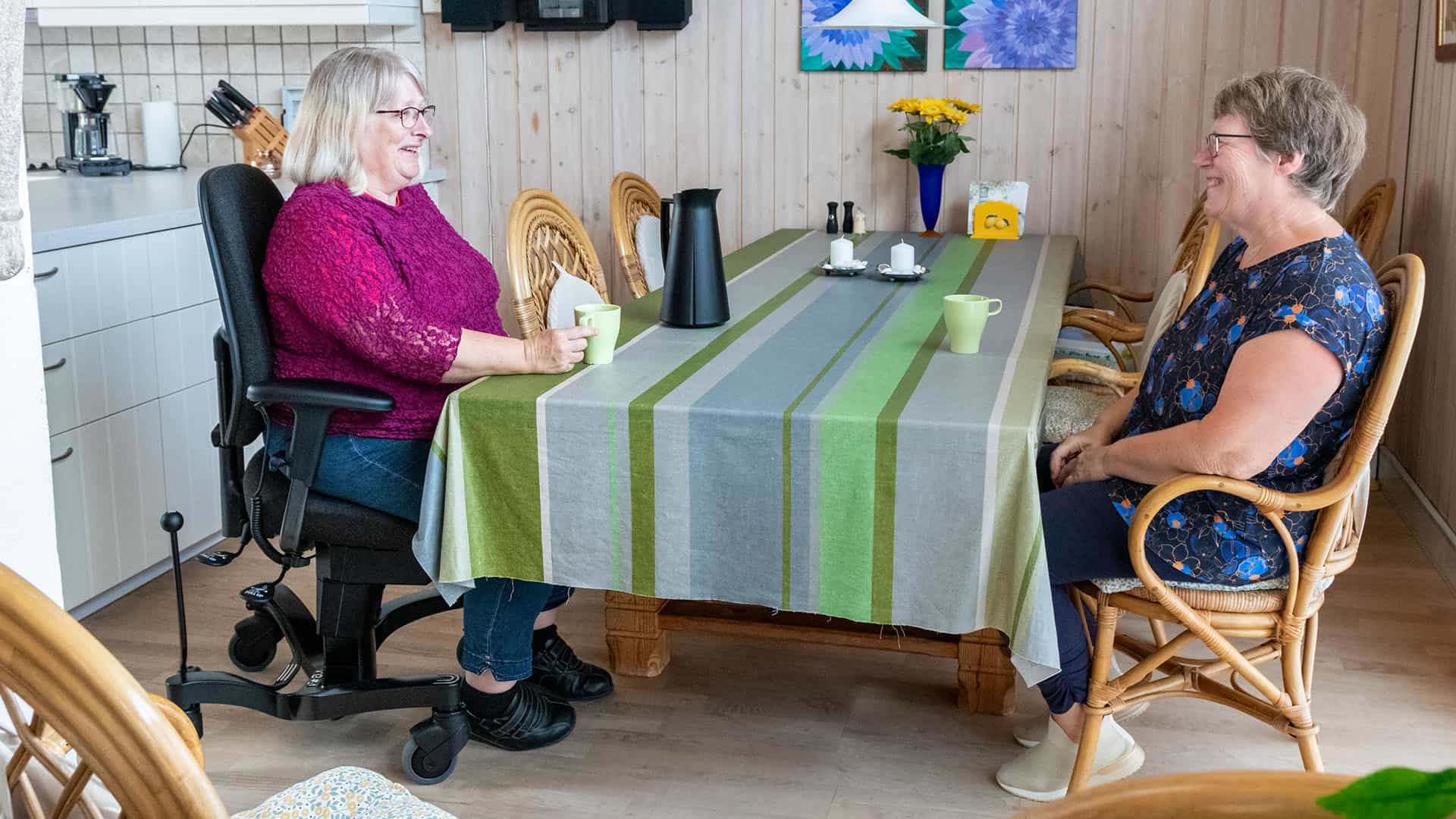
Transitioning to independence from a nursing home is a profound step that demands practical solutions. While essential services like care management facilitate this shift, integrating specialized mobility aids such as the VELA Independence Chair can play a crucial role in maintaining autonomy. VELA is a medically approved mobility chair designed for use at home, offering enhanced safety and freedom of movement while seated. It supports daily activities such as cooking, dressing, and transferring, significantly easing the demands on informal caregivers, enabling seniors to live with greater self-reliance.
How Does the CalAIM Program Improve Independent Living?
The CalAIM (California Advancing and Innovating Medi-Cal) initiative, integral to the partnership between Kaiser and ILS, strives to enhance care management for Medi-Cal members with complex health needs. This includes NCQA-accredited home health programs and streamlined transitions from institutional to home settings. The program provides a strategic framework that fosters an environment where seniors can thrive independently. According to ILS Health, case studies have shown substantial improvement in independent living situations for seniors engaged with CalAIM services, empowering them to manage their health proactively and remain in their preferred living environment longer.
Newer technologies are increasingly woven into these independent living programs. Aging in place remains a strong preference, with 94% of seniors wishing to remain in their homes supported by assistive technologies (U.S. News & World Report). Smart home environments using voice-activated systems, unobtrusive motion sensors, and automated medication dispensers are now common features that allow seniors to control their environment safely and efficiently without intrusive monitoring (AskSamie), (Washington State WA Cares Fund). Policy changes in some states support access to remote rehabilitation and specialist care through telehealth, improving convenience and outcomes (Washington State WA Cares Fund).
Recent advancements also include the integration of AI-powered predictive analytics, which can anticipate adverse health events such as falls or hospitalizations, enabling proactive interventions and risk management (Health Dimensions Group). Smart access control systems with mobile credentials and cloud-based management further support safe and convenient living environments for seniors, while smart home automation tools and AI-enabled voice assistants enhance operational efficiency and safety (ButterflyMX), (Standards Sunrise Foundation).
Wearable health trackers integrated with telehealth platforms have rapidly become mainstream, allowing for continuous remote monitoring and direct emergency communications with healthcare providers. These advances have resulted in more personalized and data-driven senior care, better enabling aging in place with a high degree of independence (BCC Research), (Market.us).
Building on these innovations, current assistive technologies for seniors now integrate AI, IoT sensors, and voice-activated controls in mobility aids such as wheelchairs, walkers, and scooters. These features deliver functionalities like fall detection, real-time obstacle avoidance, remote caregiver monitoring, and personalized health insights—significantly promoting independence and safety (AllSeniors.org), (AllSeniors.org), (iHealthcareAnalyst), (Advanced Nursing Care), (Provider Magazine).
Emerging mobility solutions also feature powered exoskeletons for assisted walking, nanotechnology-based self-repairing smart materials in assistive devices, and telehealth-compatible equipment that supports remote rehabilitation and helps reduce unnecessary hospital visits. Smart home ecosystems, powered by AI algorithms, enable predictive fall risk assessment and ongoing management for chronic conditions. These advances empower seniors to age in place more safely and comfortably, with interventions that are increasingly proactive and hyper-personalized, supporting a wide range of neurological and physical needs (AllSeniors.org), (iHealthcareAnalyst), (Advanced Nursing Care), (Provider Magazine).
In conclusion, the Independent Living Systems-Kaiser partnership is a forward-thinking initiative that underscores the importance of integrated, compassionate care for seniors. By coupling comprehensive management services with community-based supports, the partnership helps seniors navigate the complexities of healthcare with ease and dignity. Enhanced care management, coupled with mobility solutions like VELA chairs, ensures that seniors can enjoy their lives with greater independence and control. For seniors and families exploring home care solutions, leveraging these collaborative services is crucial to enhance quality of life (California Association of Health Plans).
How Mobility Solutions Like VELA Make a Difference
Mobility solutions such as the VELA Independence Chair play a vital role in promoting independence for seniors choosing to age in place. Designed to enhance safety, the chair features a central brake system, reducing fall risks, and providing stability while allowing easy movement from sitting to standing. Its electric height adjustability aids not only in daily tasks but also helps conserve energy, lengthening the time seniors can remain active at home. By minimizing the physical strain usually associated with household activities like cooking and cleaning, VELA offers a dignified, practical choice that can defer the need for nursing home care. While VELA provides a proven solution, it complements an array of strategies promoting self-sufficiency and reduced caregiver burden, fortifying seniors’ abilities to thrive in familiar settings.
Recent Innovations and User-Centered Assistive Technology
Technological advances now offer tailored solutions for individuals with a wide range of needs. AI-powered assistive devices, including smart glasses, robotic aids, and customizable motorized wheelchairs with improved ergonomic and inclusive design, are expanding opportunities for independent living and supporting both mobility and sensory challenges (NextMSC), (Market.us), (BCC Research), (AllSeniors.org), (AllSeniors.org), (iHealthcareAnalyst), (Advanced Nursing Care), (Provider Magazine).
The integration of intuitive, privacy-conscious systems—such as sensor networks that alert caregivers without the use of cameras—offers improved safety while respecting user dignity and minimizing intrusiveness (AskSamie). Voice-enabled assistants and automated building management are increasingly recognized not only for improving safety but also for making daily routines more manageable (ButterflyMX), (Standards Sunrise Foundation), (CES Accessibility Technologies 2025).
Recent innovations now also include powered exoskeletons and wearable robotics for individuals with severe mobility loss, nanotechnology in self-repairing materials, and the broader adoption of telehealth-compatible rehabilitation tools. These developments enable advanced, data-driven care and offer proactive support for individuals managing chronic conditions or rehabilitation after injury (AllSeniors.org), (AllSeniors.org), (iHealthcareAnalyst), (Advanced Nursing Care), (Provider Magazine).
Despite significant progress, usability challenges and accessibility issues remain, particularly for users with severe disabilities or limited technology experience. Ongoing improvements in user interface, training, and support services are essential to ensure that technological innovations are accessible and beneficial to all users. User-centered, inclusive design—actively informed by feedback from people with a range of disabilities—is increasingly prioritized by developers and care providers (Market.us), (CES Accessibility Technologies 2025).
Policy frameworks such as the Program of All-Inclusive Care for the Elderly (PACE) are also gaining prominence as holistic care delivery models that integrate technology, rehabilitation, and social services—supporting seniors in remaining at home with robust coordinated care (Health Dimensions Group), (BCC Research).
Sources
- Kaiser Permanente
- ILS Health
- California Association of Health Plans
- ILS Health
- U.S. News & World Report
- NextMSC
- AskSamie
- Businesswire
- Washington State WA Cares Fund
- Market.us
- ButterflyMX
- BCC Research
- Standards Sunrise Foundation
- Health Dimensions Group
- CES Accessibility Technologies 2025
- AllSeniors.org
- AllSeniors.org
- iHealthcareAnalyst
- Advanced Nursing Care
- Provider Magazine