

Updated September 2025: We have updated the article with the latest advances in assistive technology, including AI-powered wearables, autonomous smart mobility aids, integrated voice-activated AI assistants, connected home ecosystems, remote health monitoring, 3D-printed custom mobility solutions, and the growing use of user-centered, co-designed innovations for independent living.
Independent Living Systems: Empowering Elderly and Disabled Populations
As the population of elderly and vulnerable individuals continues to grow, so does the demand for solutions that allow these populations to live independently. According to Centers for Disease Control and Prevention, the need for supportive services has increased significantly, highlighting the critical role of independent living systems in promoting autonomy. The National Institute on Aging corroborates that these systems are key in managing chronic conditions and ensuring seniors can remain in their homes. In support of this, Dr. Nestor Plana, CEO of Independent Living Systems, emphasizes, “Our goal has always been to provide the best possible care and allow people to age in place and live independently for as long as possible.
Understanding independent living systems in elderly care
Independent living systems blend home health services, assistive technologies, and care coordination to support elderly and disabled individuals. These systems are essential for managing conditions like diabetes or dementia at home. According to the National Institute on Aging, these systems provide a holistic approach that includes skilled nursing, therapy, and medical equipment like ramps and handrails to facilitate daily activities. This comprehensive care model minimizes hospitalizations and enhances quality of life.
Recent advancements have significantly broadened the role of technology in independent living. AI-powered wearables, smart mobility aids such as autonomous wheelchairs, and voice-activated AI assistants are now being widely adopted. These innovations offer real-time health monitoring, fall detection, and seamless control over home environments, fundamentally enhancing autonomy and safety for seniors and people with disabilities[1][6].
Key services offered by independent living systems
Key services include skilled nursing, various therapies, and provision of durable medical equipment, crucial for patients transitioning from hospital to home care. For instance, consider the case of Maria, a recently discharged stroke patient, who receives home visits from a registered nurse and physical therapist. This personalized care plan enables a smoother recovery process. Such examples highlight the patient-centered approach of independent living, as supported by Medicare.gov, which provides details on the coverage of these vital services.
Today’s independent living systems are also increasingly integrating connected care ecosystems. Through IoT frameworks, assistive devices now allow for remote health monitoring, so caregivers and clinicians can respond quickly to changes in wellbeing or safety. Telemedicine and virtual consultations have become a standard part of care, making expert support and timely interventions more accessible than ever before[1][2].
VELA integration
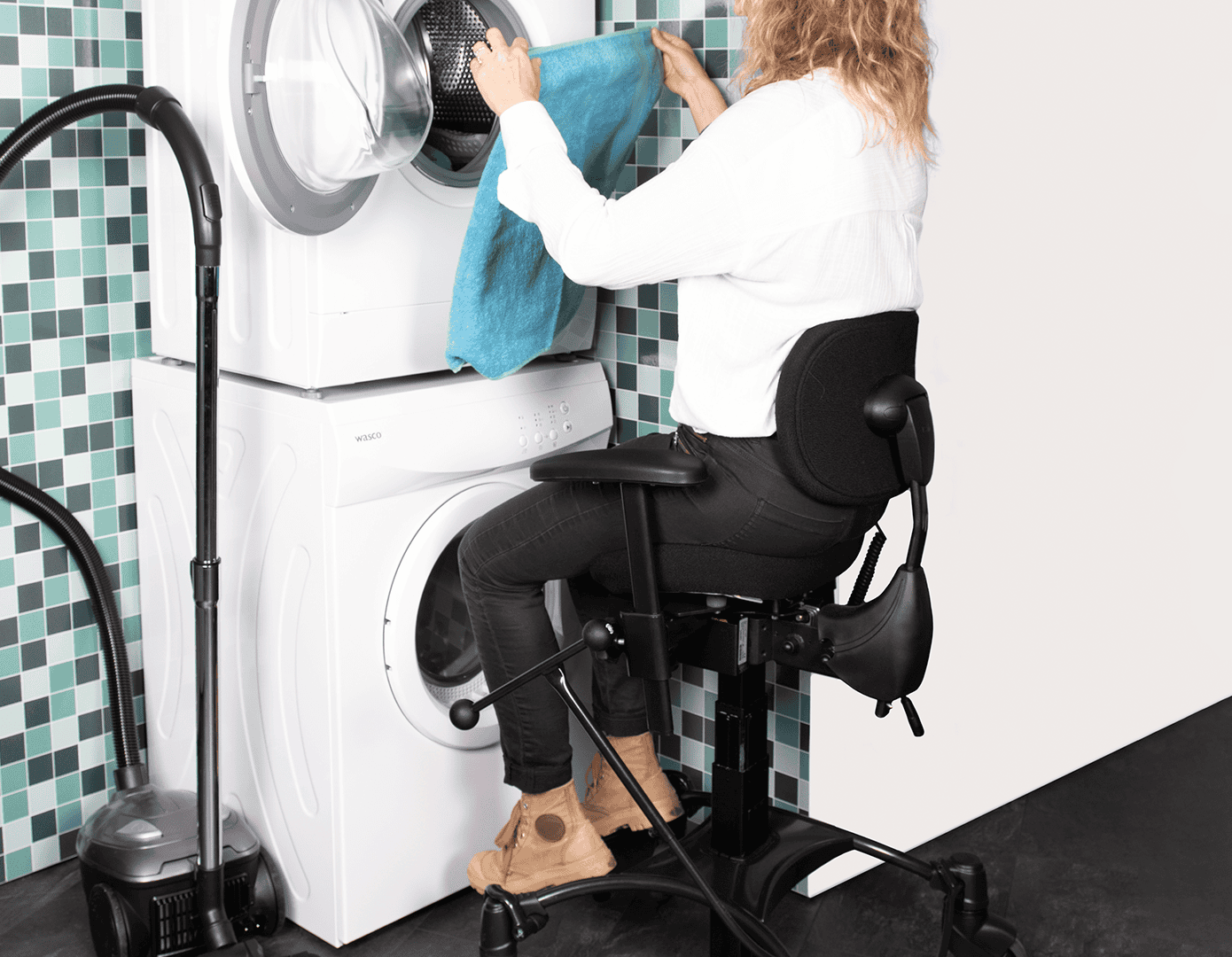
While traditional nursing homes offer comprehensive care, they often lack the personal touch and independence that many seniors desire. One alternative is to integrate solutions that foster independence within the home environment. A valuable option is the VELA Independence Chair, a medically approved mobility chair designed for use at home. This innovative chair offers enhanced safety and freedom of movement while seated, supporting daily activities such as cooking, dressing, or transferring. Importantly, it helps reduce the physical load on informal caregivers, making it easier for seniors to remain in their own homes longer.
In addition to established products like the VELA Independence Chair, newer mobility aids now benefit from advances in 3D-printed customization, wearable robotics using flexible biomaterials, and even early-stage brain-computer interfaces (BCIs) for users with severe motor impairments. These next-generation devices are being developed through close collaboration with users, ensuring that ergonomic design and individual rehabilitation needs remain central[6][3].
The philosophy of independent living for elderly and disabled individuals
A fundamental aspect of independent living systems is the belief in self-determination and community integration. These principles empower individuals to have agency over their lives and actively participate in their communities. The California Department of Rehabilitation emphasizes this approach, supporting numerous success stories from California Independent Living Centers where disabled individuals have seamlessly adapted to community living. These narratives illustrate how independent living systems prioritize not just physical health, but also social well-being.
Modern help systems increasingly focus on user-centered and co-creation design approaches, actively involving older adults in the development of new technologies to better match real needs, preferences, and usability[3].
How home care services enhance safety and independence
Home care services improve safety and independence by making necessary modifications, such as installing stairlifts and grab bars, and providing assistive devices that reduce fall risks. Studies published in the Journal of the American Geriatrics Society reveal that these adaptations significantly decrease hospitalizations and enhance the quality of life among seniors with mobility issues. In one scenario, John, a senior with balance problems, avoided a potential fall-related injury through the use of personalized home modifications, underscoring the preventive impact of home care.
In addition to physical modifications, new assistive technologies such as AI-powered wearables provide proactive fall detection and health tracking, while voice-activated AI assistants support scheduling, medication reminders, and daily task management. These digital tools reduce the cognitive load for users and their caregivers, making home environments safer and fostering greater independence[8][5].
Empowering independence through integrated home care solutions
In conclusion, independent living systems are a linchpin in senior home care, integrating services and technologies to empower elderly and vulnerable individuals to live independently. Supported by authoritative recommendations from sources such as Medicare.gov and the National Institute on Aging, these systems offer practical, life-enhancing solutions, ensuring quality care in the most familiar environment — home. As these systems continue to evolve, recent progress in AI, robotics, and integrated remote care is already reshaping the landscape and expanding possibilities for maintaining autonomy and reducing caregiver burden[1][2]. Going forward, the synergy of technology, user participation, and accessible design will continue to play an increasingly vital role in shaping the future of elderly care, enabling more people to thrive in the comfort of their own homes.