

Updated September 2025: We have updated the article to reflect significant advancements in assistive technologies and smart home solutions that enhance independent living for seniors and those with mobility challenges. The update covers the integration of AI-powered devices, improved user-device interfaces, and regulatory shifts promoting personalized, autonomy-supporting rehabilitation and care planning.
Exploring Senior Living Options: Independent Living Versus Assisted Living
As we age, selecting the right living environment becomes paramount for maintaining quality of life and well-being. Among the top choices are independent living and assisted living, each catering to different needs but often confused. Let’s delve into these options, offering a direct comparison that helps clarify the decision-making process for seniors and their families.
Understanding the Difference: Independent Living Versus Assisted Living
Independent living is designed for seniors who require minimal assistance, focusing on convenience and social engagement. Facilities offer amenities that support a self-reliant lifestyle, such as meal services and housekeeping, without the need for extensive medical support. According to the National Institute on Aging, independent living suits older adults who need little to no help with activities of daily living. Conversely, assisted living caters to individuals requiring help with daily activities like bathing, dressing, or medication management. For example, an elderly individual with controlled hypertension might choose independent living to benefit from community activities while managing their condition independently.
Recent advancements in assistive technology are increasingly enabling seniors with mobility or health challenges to maintain independent living for longer. Innovations such as AI-powered smart glasses for real-time object recognition, brain-controlled prosthetics offering intuitive limb movement, and self-driving wheelchairs are making independent living feasible and safer for a wider range of people.ThinkBeyondTheChair.org Smart home technologies, such as voice-activated controls and adaptive devices, also contribute to reducing dependency on caregiving staff.Equal Accessibility LLC These trends are shifting the boundaries between independent and assisted living, allowing many seniors to thrive in their preferred environments.
Who Benefits from Independent Living and Assisted Living?
Residents of independent living communities are typically healthy seniors who enjoy an active lifestyle and may have chronic, manageable conditions such as arthritis. Assisted living is more suitable for those with mobility issues or complex health challenges, such as dementia or diabetes. The Journal of the American Geriatrics Society notes that common triggers for transitioning from independent to assisted living include declines in mobility and medication management issues. A real-life scenario illustrates how frequent falls can prompt a transition from independent to assisted living, ensuring safety and timely help.
Emerging ergonomic and user-friendly rehabilitation designs are making everyday mobility aids—such as wearable exoskeletons or powered wheelchairs—more accessible and easier to control for users.NIH PubMed Central This progress means that individuals with varying levels of mobility can benefit from independent living, supported by sophisticated devices tailored to their personal needs and preferences.
Comparing Costs: Independent and Assisted Living
Financial considerations play a significant role in choosing the right living arrangement. According to SeniorLiving.org, independent living costs range from $3,000 to $4,000 monthly, often covering rent and some services. Assisted living expenses have surged by 10% since 2023, reaching a median of $5,900 per month, as reported by Medicare.gov. These figures underline the importance of long-term care insurance and careful planning for future needs. Families must weigh these costs alongside what is essential for their loved ones’ well-being.
Recent trends indicate that investing in advanced assistive technologies and smart home adaptations may increase upfront costs for independent living, but could help delay or even reduce the need for higher-level assisted living services in the long term.CarePatrol This makes personalized technology assessment a valuable part of financial and care planning for seniors and their families.
Transitions: Moving from Independent to Assisted Living
Several signs indicate that a senior might need to transition from independent to assisted living, such as declines in mobility or challenges in managing medications. It’s crucial to also consider the emotional readiness for such a move. The Journal of the American Geriatrics Society explains that increasing falls risk is a common indicator for transitioning. A scenario wherein a diabetic senior increasingly needs more care demonstrates the necessity of such a transition for enhanced support.
Modern clinical guidelines now recommend a multidisciplinary approach that includes a thorough assessment of the potential for assistive technologies to enhance autonomy before making transitions to higher levels of care.NIH PubMed Central Integration of personalized technology and adaptive equipment can sometimes delay or modify the need for assisted living, promoting independence for as long as possible within a safe environment.
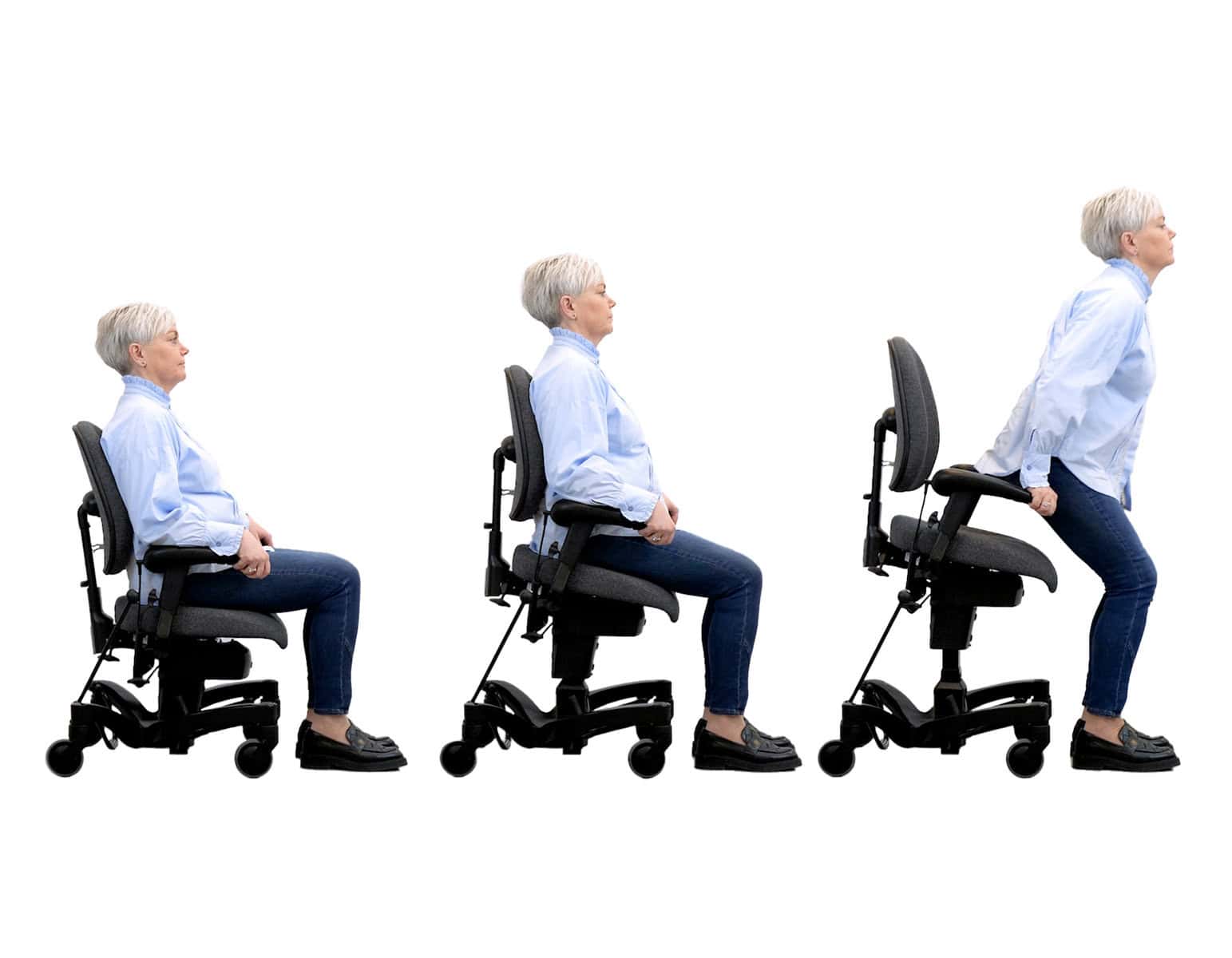
As families consider the challenges of nursing home environments and the preferences for staying at home, it becomes essential to explore solutions that support older adults in maintaining independence. One such solution is the VELA Independence Chair, a medically approved mobility chair designed specifically for home use. It enhances safety and allows for freedom of movement while seated, providing crucial support for daily activities like cooking, dressing, or transferring. This functionality reduces the burden on informal caregivers and helps seniors live more comfortably in their own homes.
Supporting Aging in Place: A Practical Option
Solutions like the VELA Independence Chair can play a crucial role in helping seniors stay independent longer at home, potentially delaying the need for more intensive care settings like nursing homes. This chair offers features that directly address common challenges faced by seniors, including a central brake for enhanced safety, electric height adjustability, and ease of movement while seated. These features promote autonomy and can significantly reduce the reliance on assisted living facilities. Mobility solutions for elderly living at home emphasize dignity, freedom, safety, and energy-saving, essential for day-to-day activities such as cooking and cleaning or simply relaxing. While VELA is a proven solution, it’s crucial to combine such technologies with comprehensive care plans tailored to individual needs, ensuring a balanced and supportive environment for aging in place.
More broadly, the ongoing innovation in assistive technology—ranging from AI-driven accessibility tools and adaptive mobility devices to user-friendly robotic aids—continues to expand the possibilities for seniors and individuals with disabilities to age in place with greater autonomy and less reliance on institutional care.AbilityMT.org These advances, coupled with regulatory encouragement of user-centered, tech-integrated rehabilitation planning, are helping to redefine the potential for independent living at every stage of aging.