

Updated January 2026: We have updated the article to include new trends in communication aids for seniors, recent advances in wearable and immersive rehabilitation technologies, as well as updated policy emphasis on user-centered design, affordability, and equitable access to assistive technology.
Independent Living in Victoria: Navigating Housing Options for Seniors
As Victoria’s senior population continues to grow, understanding independent living is vital for elderly residents and their families. The Australian Institute of Health and Welfare (AIHW) projects a 57% increase in Victoria’s elderly population (65+) by 2031, reaching over 1.4 million people. This demographic shift highlights the importance of diverse housing solutions tailored to seniors’ desires for autonomy.
Exploring Independent Living Options in Victoria
Seniors in Victoria have several independent living options, such as Independent Living Units (ILUs) and retirement villages. According to the Australian Housing and Urban Research Institute (AHURI), ILUs offer more independence, while retirement villages provide communal living with amenities. Age-friendly apartments also offer elder-friendly designs without the confines of organized communities.
A practical scenario is Mary, a resident in an ILU. She starts her day with a leisurely coffee in her private kitchen and attends an afternoon social gathering in a common area, wrapping up with a serene evening in her personal space—blending independence with social opportunities. This scenario reflects first-hand accounts of daily life in ILUs.
Demographics and Trends in Senior Living
Victoria is experiencing evolving housing preferences among its aging demographic. The 2023 Property Council of Australia Retirement Census indicates that ILUs account for more than 50% of designated housing for seniors in some areas. In Melbourne, a case study reveals that while eastern and southeastern suburbs are rich in ILUs, public housing is more prevalent in the north and west, reflecting varying demands and lifestyles.
Financial Aspects of Independent Living
Transitioning to independent living involves understanding financial commitments such as entry/exit fees and ongoing costs. According to the 2023 Property Council of Australia’s Retirement Census, financial models and government subsidies can ease this transition.
Consider John, a senior evaluating moving to an ILU. He calculates potential savings and expenses against retirement income, informed by resources like the Retirement Census, ensuring financial alignment with long-term goals.
Support Services and Transition Guidance
Navigating a move to independent living involves various support services. The Victorian Government offers resources through its Disability Supported Independent Living Sector, with funding from the National Disability Insurance Scheme (NDIS) aiding this transition. A comprehensive guide involves consultations with service providers, securing financial support, and coordinating logistics tailored to each resident. See the Victorian Government report for more information.
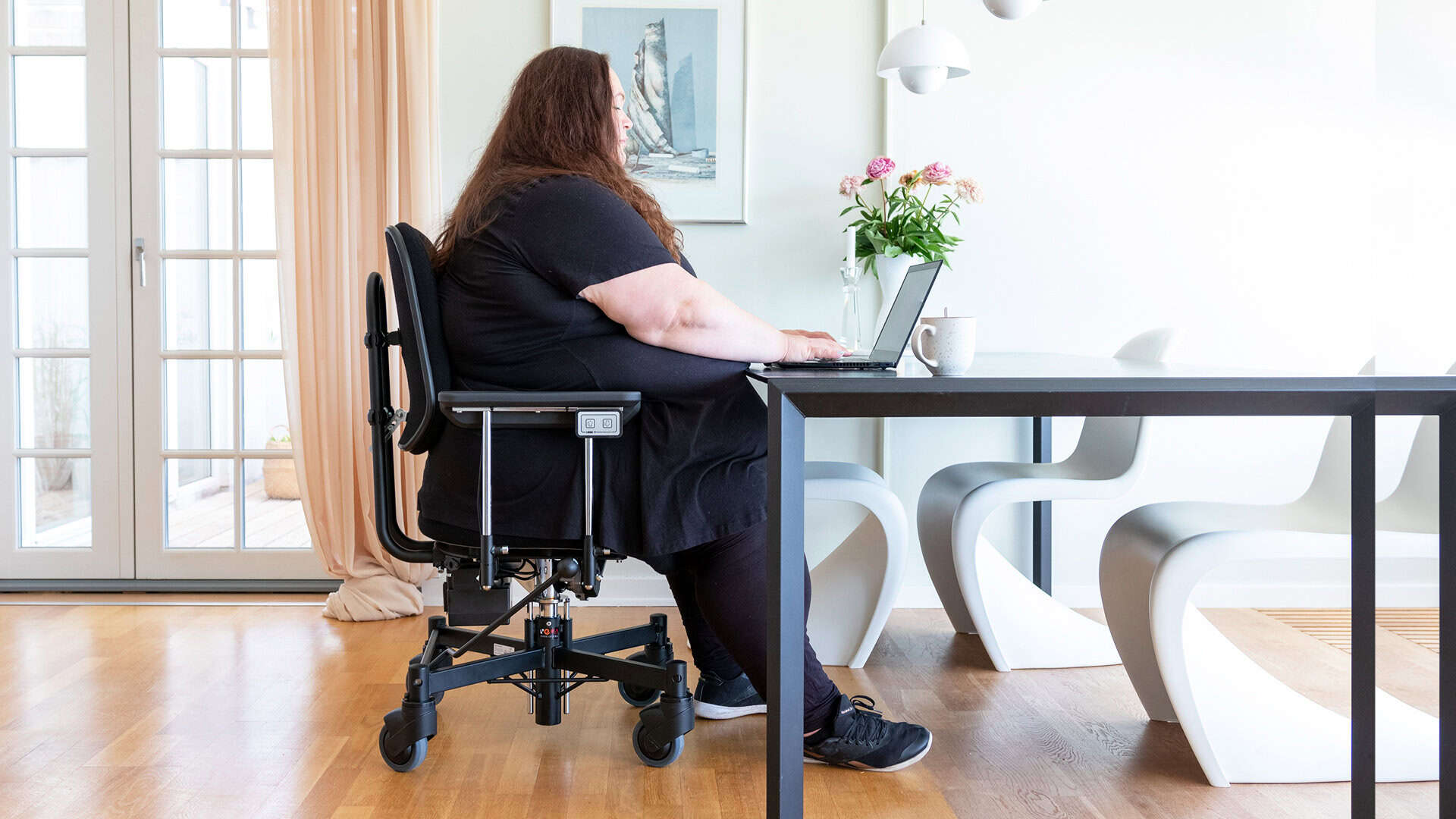
Mobility and safety are significant concerns when considering alternatives to nursing homes for seniors wishing to maintain autonomy. While traditional nursing facilities provide structured care, many older adults prefer to stay in familiar environments. This preference underscores the need for adaptable home solutions like the VELA Independence Chair. VELA offers a medically approved mobility chair designed for home use, ensuring enhanced safety, freedom of movement while seated, and support for daily activities such as cooking, dressing, or transferring. It also reduces the load on informal caregivers by increasing the independence of seniors.
Enhancing Mobility and Independence in Victorian Senior Living Communities
Mobility is a cornerstone of independence. Solutions like the VELA Independence Chair enhance safety and independence in home settings, empowering seniors by integrating into various housing types without extensive modifications.
Victoria’s independent living landscape now increasingly incorporates advanced assistive technologies to further empower seniors. Recent breakthroughs include AI-powered smart glasses such as VisionX and Meta Ray-Ban with Live AI, which provide real-time environmental recognition, text-to-speech, and conversational interaction to improve orientation and independence for users with visual impairments.source 2source 8 Brain-controlled prosthetics like the NeuroGrip Arm enable intuitive, thought-controlled limb movements, dramatically expanding options for people with upper-limb disabilities.source 2 Integrated AI assistants are now providing faster, more natural voice-activated support, making everyday tasks simpler and ensuring seniors can access information and services efficiently.source 9
Further, real-time visual interpreting services such as Aira bring together AI and human support for navigation and everyday problem-solving, making access in education, retail, and transport settings easier than ever before.source 10 Wearable assistive devices, including smart glasses, haptic wearables, and navigation aids, are being designed with user-centered principles. These provide multi-sensory feedback and enhance mobility and information access in daily environments.source 11
Innovative rehabilitation practices now integrate virtual reality (VR) and augmented reality (AR) for immersive training and skill acquisition, delivering improved outcomes for individuals with disabilities.source 11 Advances in communication and control aids, such as sip-and-puff systems, text-to-speech, and updated FM listening platforms, are also being widely adopted and continually refined, supporting users with motor and sensory impairments.source 12
In addition, regulatory guidelines are emphasizing inclusive design and user involvement, with healthcare authorities increasing attention toward evidence-based technology evaluation and standards.source 11 The cost of advanced assistive technologies is also becoming more accessible. For example, AI-enabled smart glasses such as the Meta Ray-Ban start at $299, broadening access for many seniors. Market trends reflect strong adoption, and user feedback continues to inform new products so they better meet the everyday needs of older adults.source 8
The World Health Organization (WHO) is actively supporting universal access to assistive technologies for all seniors through initiatives focused on capacity building, inclusive design, stigma reduction, data-driven policies, and international cooperation. Current policy frameworks also stress the importance of user involvement in product development and expanding funding pathways—from insurance to charitable grants—to improve adoption and equity of access.source 6
Regional differences add richness to the landscape, meeting varying community needs, as noted by the North Western Melbourne Primary Health Network (NWMPHN). By incorporating the latest in assistive technology and policy support, seniors and caregivers in Victoria have more resources than ever to maintain autonomy and fulfill daily needs.
In conclusion, by understanding these options and resources, seniors and their families in Victoria can make informed decisions, aligning living arrangements with personal preferences and financial situations. This ensures that they can approach aging with confidence and dignity, experiencing continued independence and fulfillment.
Staying Independent at Home with Support
In the quest to remain independent, seniors often face the challenge of balancing safety with autonomy. Mobility solutions like the VELA Independence Chair play a critical role in this balancing act. Designed to provide safety through features like a central brake system and electric height adjustability, the VELA Chair allows seniors to navigate daily routines such as cooking and cleaning with ease, while still providing freedom of movement. This chair supports seniors in maintaining a dignified and independent lifestyle, often delaying the need for a transition to a nursing home. By reducing fall risks and the physical burden on caregivers, VELA illustrates how technology can enhance aging in place, offering a practical and proven solution amidst the myriad of senior care options. While not the only choice, it reflects a thoughtful approach to supporting seniors’ desire for autonomy and safety.
- Carr, Dawn. Revolutionizing Accessibility: The Latest Innovations in Assistive Technology 2025. nabroward.com, 2024-12-31.
- The Best Assistive Tech Gadgets in 2025: Enhancing Independence Through Innovation. thinkbeyondthechair.org, 2025-02-07.
- Innovations In Assistive Technology. equalaccessibility.co, 2025-03-19.
- Exciting Assistive Technology for People with Disabilities. abilitymt.org, 2025-08-01.
- Assistive Technology (AT) Market to Grow by USD 6.3 Billion from 2025-2029. prnewswire.com, 2025-02-07.
- Assistive Technology – WHO Fact Sheet. who.int, updated 2024-01-02.
- First Aid for the Blind (FAFTB): Meta Ray-Ban Smart Glasses with Live AI, Usability and Adoption Insights. faftb.org, 2025-08.
- LetsEnvision.com Blog: Future of Assistive Technology & AI Assistants in 2025. letsenvision.com, 2025-06.
- Innocaption.com: CSUN 2025 Assistive Tech Innovations. innocaption.com, 2025-05.
- Journal of Visual Impairment & Blindness (JVIB) 2025 Special Issue Call for Papers. jvib.org, 2025-08.
- Asian College of Teachers: Assistive Tech Trends 2026: Communication Aids. asiancollegeofteachers.org, 2026-01.