

Updated September 2025: We have updated the article with new advances in assistive technology, including AI-powered mobility aids, smart wheelchair adaptations, ergonomic wearable devices, recent market trends, and policy initiatives to enhance independent living for seniors.
Creating an Empowering Environment for Seniors in Visalia: A Comprehensive Guide
Visalia’s Senior Living Landscape
Nestled in the heart of California, Visalia offers a unique blend of vibrant community life and tranquil independence for seniors. The city’s appeal lies in its ability to provide an autonomous yet supportive living experience, crucial as the senior demographic in Visalia steadily rises. According to Data USA, seniors make up approximately 12.75% of the population, highlighting the growing need for robust independent living solutions tailored to the elderly.
Understanding Independent Living in Visalia
Independent living caters to seniors who are generally self-sufficient but prefer a community that provides assistance when needed. This lifestyle option differs from assisted living, which offers more personal care, and nursing homes focused on medical needs. SeniorLiving.org notes that independent living facilities such as Quail Park on Cypress stand out due to their comprehensive social calendars and culinary services, fostering an engaging, active lifestyle for residents. Reviews on Medicare.gov often praise these facilities for their resident satisfaction and quality of care.
Transitioning to an independent living facility is a significant life change requiring adaptation. Visalia’s seniors often cite the enhanced social and mental well-being from such environments, outweighing the challenges of leaving home.
The Rich Tapestry of Visalia’s Senior Community
Visalia’s senior community is as diverse as it is dynamic. A significant portion of this demographic identifies as Hispanic, a factor that influences local services and cultural events. The role of the California Department of Social Services is crucial here, ensuring facilities adhere to inclusive service practices and high care standards. A notable example is the inclusion of Spanish-language support and culturally harmonious community events, which greatly enrich seniors’ social experiences and sense of belonging.
Financial Considerations of Independent Living in Visalia
Independent living costs in Visalia vary, averaging $3,097 per month according to Caring.com. Prices fluctuate based on additional services such as assisted living or memory care. However, local initiatives like Sierra Meadows offer affordable options, underscoring a commitment to providing quality, sustainable housing for low-income seniors (HUD Case Study). When considering independent living, seniors and their families should weigh these costs against personal preferences and lifestyle priorities, ensuring financial decisions align with desired quality of life.
The Importance of Safety, Technology, and Ergonomic Solutions in Senior Living
Safety in independent living environments is paramount and closely regulated by California’s Title 22 standards, enforced by the California Department of Social Services. These standards ensure emergency readiness and competent staff training are prioritized to protect residents.
Nursing homes, while essential for those with significant medical needs, can pose challenges such as reduced independence and high costs. However, new advances in assistive technology are empowering more seniors to maintain independent lifestyles at home and in community settings. Recent innovations include AI-powered smart glasses providing real-time environmental descriptions and obstacle detection, wearable devices for enhanced safety, and ergonomic product design that improves comfort and mobility for people with disabilities (Think Beyond the Chair, 2025; Assistive Technology Industry Association, 2025).
Existing power wheelchairs can now receive smart upgrades such as adaptive sensor systems for pressure monitoring and lidar-based autonomous navigation, supporting greater comfort and independence without the need for entirely new hardware (Ability Montana, 2025). At the forefront are brain-controlled prosthetics, which allow for more intuitive device operation and increased independence in daily living (PubMed Central, 2025).
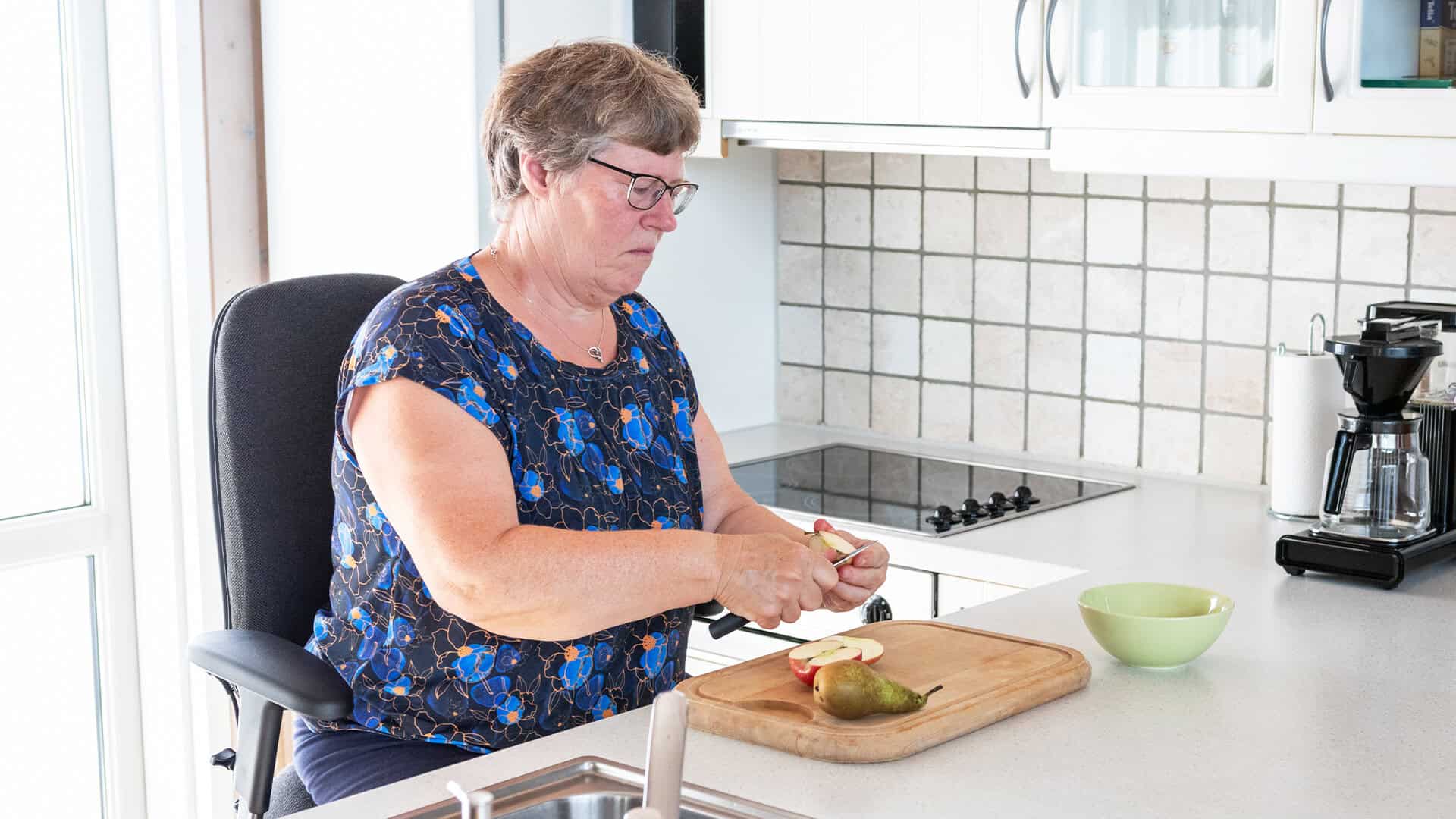
For seniors who wish to remain in their own homes longer, solutions like the VELA Independence Chair offer a practical alternative. These medically approved mobility chairs are designed for home use, providing enhanced safety and freedom of movement while seated. They support daily activities such as cooking, dressing, or transferring with ease, reducing the burden on informal caregivers and fostering independence.
Trends and Global Policy for Assistive Technology
The global landscape for assistive technology is experiencing rapid change in 2025. The World Health Organization (WHO) and UNICEF spearhead international efforts to increase universal access to safe, affordable, and effective assistive technology. Their initiatives promote inclusive policy-making, capacity building, and the adoption of evidence-based strategies through the GATE 5P strategy. These measures are crucial to ensure equity and affordability in access to advanced mobility solutions, particularly for seniors (World Health Organization, 2025).
Market adoption of assistive technologies is growing, driven by the rise in orthopedic and neurological disorders, as well as increased investment and consumer demand. At the same time, challenges such as cost, awareness, and regional disparities in adoption persist (PR Newswire / Technavio Market Report, 2025). Integration of user feedback into design and the creation of ergonomic, user-friendly devices are current industry priorities, with shared control interfaces and mechanical refinements resulting in greater usability and independence for seniors (PubMed Central, 2025).
References
- Think Beyond the Chair. “The Best Assistive Tech Gadgets in 2025: Enhancing Independence Through Innovation” [1]
- PubMed Central. “Recent trends in assistive technology for mobility” (PMC3474161) [2]
- Ability Montana. “Exciting Assistive Technology for People with Disabilities” (Aug 2025) [4]
- Assistive Technology Industry Association. “Assistive Technology Outcomes and Benefits, Volume 19, Spring 2025” [6]
- PR Newswire / Technavio Market Report. “Assistive Technology Market Growth 2025-2029” [5]
- World Health Organization. “Assistive technology fact sheet and Global Report on Assistive Technology (2022)” [7]
- Data USA
- SeniorLiving.org
- Medicare.gov
- California Department of Social Services
- Caring.com
- HUD Case Study