

Updated September 2025: We have updated the article with new findings on smart assistive technologies, advanced ergonomic design standards, digital rehabilitation innovations, and recent regulatory and reimbursement changes impacting independent living for seniors in Washington State.
Unveiling Independent Living Options in Washington State
With its scenic landscapes and progressive approach to senior care, Washington State is an ideal locale for elderly residents seeking to maintain autonomy while having access to supportive services. The state’s options for independent living are vast and varied, catering to a demographic that is rapidly growing. According to the Washington Health Care Association, the population aged 85 and over is projected to increase by over 400% in the next three decades, underscoring the imperative to address and expand senior living options.
Understanding Independent Living Options in Washington State
Independent living is more than just a housing option; it is a vital component of a senior’s lifestyle in Washington. These communities are designed to empower seniors to live self-sufficiently, with amenities that cater to their needs without compromising their independence. From apartment-style complexes to continuing care retirement communities, Washington offers a plethora of choices.
For example, at the bustling Meridian community in Seattle, residents like John and Mary have found a perfect blend of independence and support. They enjoy on-site healthcare services and vibrant social calendars, which have dramatically enriched their lives. The staff, well-versed in elderly care, ensure that residents’ specific health needs are met promptly, demonstrating the community’s commitment to maintaining a balance between autonomy and security.
Washington’s Growing Senior Population: Statistics and Projections
Washington is experiencing a demographic shift as its senior population swells. The Office of Financial Management reports that by 2030, one in five Washingtonians will be over the age of 65, this increase prompts families to reassess housing arrangements for elderly loved ones, highlighting the necessity of expanding independent living facilities.
The data reveals that more families opt for communities offering both privacy and an active lifestyle, validating the push for more independent living facilities to cater to this trend. Recent large-scale resident surveys highlight a growing preference for technology-enabled independence, where amenities such as digital monitoring, smart safety systems, and tailored rehabilitation are increasingly important to seniors and their families. U.S. News Senior Living Awards, 2025
Aging in Place: Support Services Available in Washington
Washington State excels in supporting aging in place through an extensive network of community-based services. Programs that focus on home adaptations and support promote longevity among seniors. Adaptive technologies are now advancing rapidly—solutions such as AI-powered sensor-based fall detection, real-time digital monitoring, and advanced wearable mobility aids are transforming the independent living landscape. Devices like VELA mobility chairs remain critical, while new smart systems help prevent accidents and provide continuous status updates to caregivers and medical providers. Seniors like Jane benefit not only from traditional services such as wellness checks and meal delivery but also from integrated digital tools supporting both daily activity and long-term independence. WHO Guidelines, 2025 Washington State Department of Health, 2025
Cost Comparison of Independent Living Facilities in Washington Regions
The cost of independent living in Washington varies significantly between urban and rural areas. Urban areas like Seattle tend to carry a higher price tag compared to more rural locales. According to Haven Senior Investments, these price differences can be substantial, influencing senior housing decisions.
To navigate these costs, seniors, such as Martha from Spokane, have successfully utilized various financial assistance programs to secure affordable and comfortable independent living situations, showcasing resourcefulness amid rising costs.
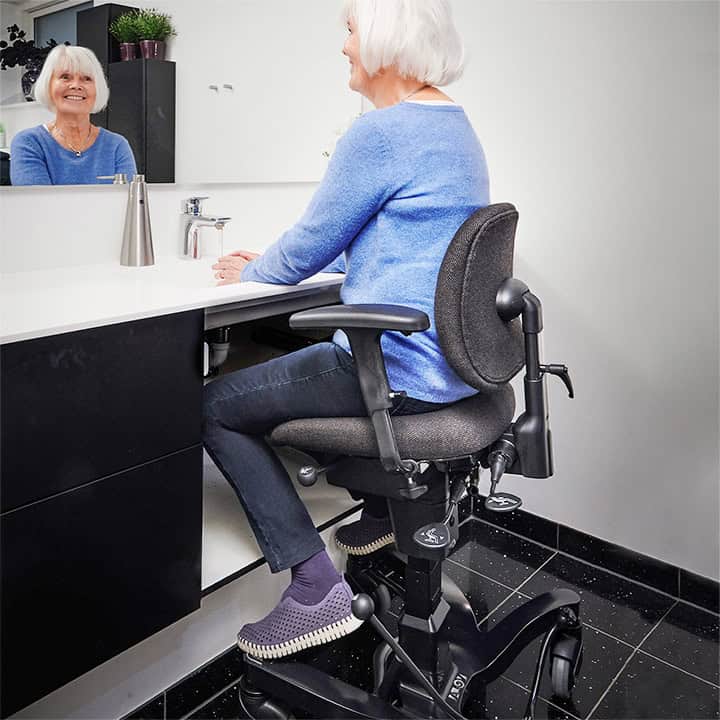
As nursing home challenges and the desire for more personalized care become apparent, solutions like the VELA Independence Chair present viable alternatives to maintain independence at home. The VELA mobility chair is a medically approved seating option specifically designed for home use. It provides enhanced safety and freedom of movement while seated, supporting seniors during daily tasks like cooking, dressing, and transferring. Alongside VELA, advanced sensor-based fall prevention systems and AI-driven wearables are being adopted, often covered under updated Medicare and Medicaid reimbursement policies, to maximize safety and autonomy in home environments. Washington State Department of Health, 2025 PubMed, 2025
Navigating Independent Living Choices in Washington
Washington State’s independent living options are as diverse as they are plentiful. With the projected demographic shifts and the growing demand for senior-friendly environments, Washington remains at the forefront of developing communities that honor autonomy and deliver exceptional care.
By prioritizing rich, engaging communities and comprehensive support systems, the state provides a roadmap for seniors to enjoy their golden years with dignity and joy. Innovations such as virtual reality-based rehabilitation programs and AI-personalized therapy are now incorporated into senior living settings, supporting both mobility and mental engagement. New community-centric, universally designed environments help foster social connections and ensure flexibility as residents’ needs change. This dedication to senior well-being, backed by credible organizations like the Washington Health Care Association, confirms Washington’s position as a leader in senior housing solutions. Mayo Clinic Proceedings, 2025
Supporting Aging in Place: A Practical Option
Leveraging tools like mobility chairs for independent living can significantly impact a senior’s ability to remain at home safely and comfortably. VELA Chairs, for instance, offer specific features such as a secure central braking system for stability, electric height adjustability for easy standing, and ease of movement while seated, which all contribute to enhanced safety and energy conservation.
Researchers emphasize the need for inclusive, universal design and digital health integration so these chairs and other assistive devices can seamlessly adapt to changing physical abilities and rehabilitation requirements. Alongside traditional solutions, seniors and caregivers can now access digital tools—from remote monitoring apps to AI-tailored exercise programs and fall prevention platforms—endorsed by updated clinical guidelines. MedlinePlus, 2025
These chairs support seniors in performing everyday tasks like cooking or cleaning, potentially delaying the need for relocation to nursing facilities. With solutions like VELA and emerging smart assistive technologies, seniors can enjoy a life of dignity and freedom, relishing the comfort of their home environment while reducing the burden on caregivers. Alternatives such as VELA are valuable for those seeking reliable, supportive mobility solutions for seniors living independently, though it is acknowledged there are various options available.