

Updated September 2025: We have updated the article with new information on recent trends in assistive technology for independent living. This includes the integration of AI-powered devices, wearable technologies with live AI features, advances in remote health monitoring and aging-in-place solutions, the importance of user-centered design, regulatory and global accessibility efforts, and the combination of digital tools with traditional therapies. Additional authoritative sources have been included to support these updates.
Embracing Independence: Senior Living in Waynesville, NC
Waynesville, North Carolina, is not only a picture-perfect mountain town but also a thriving hub for senior living, appealing to retirees and older adults seeking independence. The area’s allure is underscored by its senior-friendly environment, evidenced by a median age of 47.4 years and a substantial senior demographic representing 26.3% of the population. According to U.S. Census QuickFacts, these figures highlight the town’s magnetism for those embarking on their retirement journey.
Comparing Independent Living Communities in Waynesville: Amenities and Services
Waynesville hosts nearly 20 independent living communities, each offering unique amenities and services tailored to foster an enriching lifestyle for seniors. These facilities typically feature dining options, fitness centers, and social activities, indispensable for both physical and mental well-being. A prime example is Givens Great Laurels, known for providing residents with premier accommodations and engaging community events. As emphasized by SeniorAdvice, families and residents praise the quality of engagement and services offered in these communities, reaffirming that a fulfilling independent living experience in Waynesville is within reach.
Cost Analysis: Independent Living vs. Aging in Place in Waynesville
Financial considerations are paramount when choosing between staying at home and moving to an independent living community. Monthly costs for independent living in Waynesville range from $650 to $2,904, averaging around $1,375. In contrast, maintaining a home incurs varying expenses such as property taxes, utilities, and maintenance costs, which can accumulate significantly over time. According to Data USA, potential savings often arise when transitioning to independent living, especially when accounting for property sale gains and reduced household bills, making it a financially viable decision for seniors considering their long-term financial health.
Transportation Options for Waynesville Seniors in Independent Living
Independence often hinges on mobility, and Waynesville’s independent living communities recognize this need by offering convenient transportation services. Many facilities provide shuttle services that connect residents with vital amenities and healthcare facilities, ensuring they remain active and self-reliant. According to the Waynesville Government, accessible transportation not only supports routine outings but also significantly enhances seniors’ social lives and healthcare access, further emphasizing the benefits of residing in these communities.
Healthcare Access from Independent Living Facilities in Waynesville
Proximity to healthcare facilities is a significant consideration for any senior living community. Fortunately, Waynesville’s independent living options are strategically located near healthcare providers like the Haywood Regional Medical Center. Ensuring easy access to medical care alleviates the stress of traveling long distances for appointments. According to the Haywood Regional Medical Center Community Health Assessment, this convenience plays a critical role in residents’ overall well-being, offering peace of mind to residents and their families.
Innovations in Assistive Technology and Aging At Home
Recent advances in assistive technology have transformed the possibilities for independent living and aging in place. Integration of artificial intelligence (AI), Internet of Things (IoT), and wearable devices now provide real-time, adaptive support. Devices such as AI-powered prosthetics, hearing aids, and smart home assistants can automatically adjust to users’ environments and needs, significantly improving safety and independence.
Wearable assistive technology, like the latest smart glasses with live AI interaction, enables hands-free, real-time environmental feedback and support, reducing reliance on traditional snapshot-based apps. These continuous, interactive features contribute to a greater sense of autonomy and confidence for older adults and individuals with disabilities (First Aid for the Blind; Envision Community).
Remote health monitoring tools, including fall detection and medication management applications, offer additional safeguards for seniors wishing to remain at home. These technologies can alert caregivers or healthcare providers instantly, providing reassurance for both users and their families. Adaptive furniture and AI-integrated mobility solutions are now developed following user-centered and inclusive design principles, with co-design input from individuals with disabilities to ensure greater usability and accessibility (Cognitive Market Research; Consumer Technology Association (CES)).
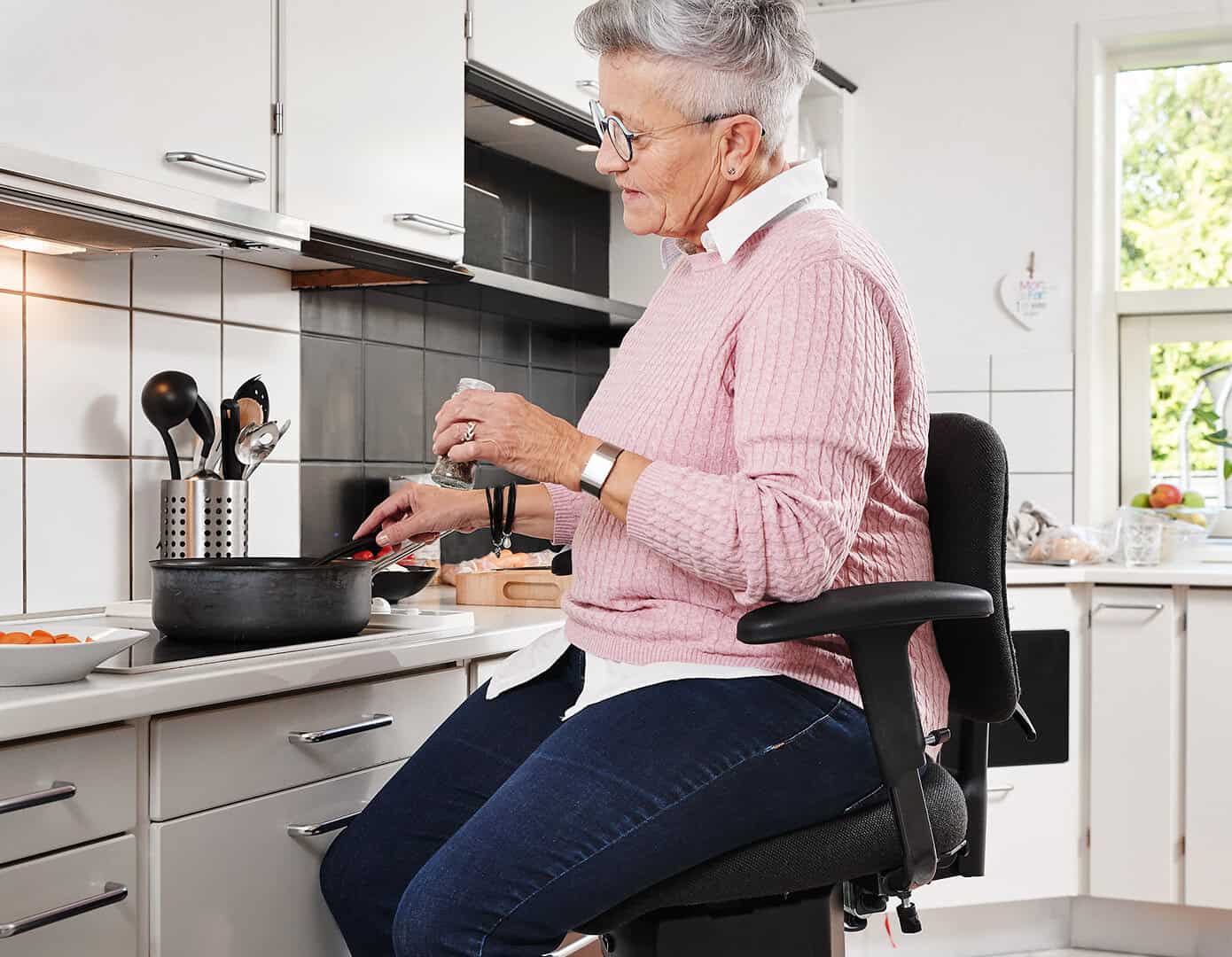
One innovative mobility solution remains the VELA Independence Chair, a medically approved mobility chair designed specifically for home use. This chair enhances safety through a central brake system, offers freedom of movement while seated, and supports daily activities such as cooking, dressing, and transferring. By lessening the physical load on informal caregivers, solutions like the VELA chair empower seniors to age in place comfortably and safely.
Virtual and augmented reality (VR/AR) technologies are also emerging as valuable tools for rehabilitation and learning. These tools create immersive, simulated environments for skill-building, orientation, and cognitive training for seniors and individuals with disabilities (Journal of Visual Impairment & Blindness). There is also growing integration of digital assistive technologies in clinical and rehabilitation practices, often in combination with traditional therapies, to improve mobility, cognitive function, and overall quality of life (Innocaption).
Exploring Alternatives to Nursing Homes
Mobility solutions like the VELA Chair can significantly extend the period seniors remain independent at home. With features such as a central brake for stability and electric height adjustability, these chairs mitigate risks of falls and enhance everyday mobility. Through intuitive design, they facilitate easier transfers and day-to-day activities, presenting a realistic alternative to early nursing home admission. For example, the chair’s mobility aids in kitchen activities, supports relaxation, and assists in grooming routines. By emphasizing values of dignity, safety, and freedom, VELA enhances both seniors’ autonomy and provides peace of mind for their families. It’s important to recognize that while VELA is a practical and proven tool for aging in place, it is part of a broader spectrum of solutions designed to minimize caregiver burden and promote senior independence at home. Helpful seating options for seniors at home offer further detailed examples of their impact and application in daily life.
Efforts are also underway globally to expand access to assistive technologies, especially in low- and middle-income countries. Recent regulatory and market developments aim to address supply chain barriers and affordability challenges, with a goal of making high-quality assistive products more universally available (Clinton Health Access Initiative & ATscale).
References
- Cognitive Market Research. Assistive Technology Market Report 2025
- Envision Community. Future of Assistive Technology 2025: AI Assistants
- Innocaption. Top 5 Assistive Technologies from CSUN 2025
- First Aid for the Blind. Assistive Technology Roundup August 2025
- Clinton Health Access Initiative & ATscale. 2025 Assistive Products Market Report
- Journal of Visual Impairment & Blindness (JVIB). 2025 Special Issue on Technology Innovations
- Consumer Technology Association (CES). Accessibility and Inclusive Design Trends