

Updated September 2025: We have updated the article with the latest advancements in AI-powered, integrated assistive technologies and wearable devices for independent living, increased focus on user-centered, inclusive design, and new expert guidance on the role of smart products in supporting social participation and autonomy for seniors. Expanded coverage includes recent clinical best practices and examples of assistive technology now found in mainstream consumer goods.
Finding the Right Independent Living Path in Whitewater
As the senior population in Whitewater, Wisconsin continues to grow, so does the demand for quality independent living options. With 17.7% of the city’s residents being seniors, there is a pressing need for specialized living arrangements. According to U.S. Census Bureau, over half of the owner-occupied housing units in Whitewater are headed by individuals aged 55 and above, underscoring the city’s aging demographic. This article delves into the vibrant landscape of independent living in Whitewater, offering insights and guidance for those seeking a supportive community while maintaining autonomy.
What is Independent Living in Whitewater?
Independent living facilities are designed for seniors who can manage daily life on their own but desire the ease and social benefits of community living. These facilities emphasize autonomy while providing access to shared amenities. According to Medicare.gov, independent living communities provide enriching opportunities for social interaction and engagement without compromising independence. Within Whitewater, seniors might opt for communities such as Fairhaven Senior Services, where one can transition from a single-family home to a vibrant community.
Understanding the Senior Demographics and Needs in Whitewater
Whitewater’s seniors are diverse in their needs and living arrangements. The city’s seniors, primarily aged 65 and older, often find themselves managing on fixed incomes. With an average retiree income of $27,123, affordability remains a critical concern, according to U.S. Census Bureau. The city features a significant percentage of single-occupancy senior homes, indicating a preference or necessity for smaller, more manageable living spaces. Many face mobility or health issues, which are common realities that dictate their choice of living arrangements, as noted by CDC.
Evaluating Local Independent Living Options
When considering independent living facilities in Whitewater, options like Fairhaven Senior Services, Mulberry Glen, and The Glen at Crossroads stand out. These facilities offer tailored services and community engagement. For instance, Mulberry Glen in Whitewater, WI provides a welcoming environment that caters to the personal needs of its residents, featuring personalized service plans and a robust range of amenities. Monthly fees for independent living in Whitewater typically range between $2,000 and $3,500, which includes access to various services depending on the facility. The Wisconsin Department of Health Services mentions that financial assistance is available for low-income seniors, which can alleviate the financial burden.
Leveraging Home Care Services and Support Programs
For seniors who prefer to stay at home, Whitewater offers robust home care services and support programs. Aging and Disability Resource Centers (ADRCs) in Wisconsin provide invaluable support, helping seniors access necessary home modifications and care services. A local retiree shared her experience with obtaining a grant through ADRC for safety modifications in her home, enabling her to continue living independently.
Transition from Nursing Homes to Home Independence
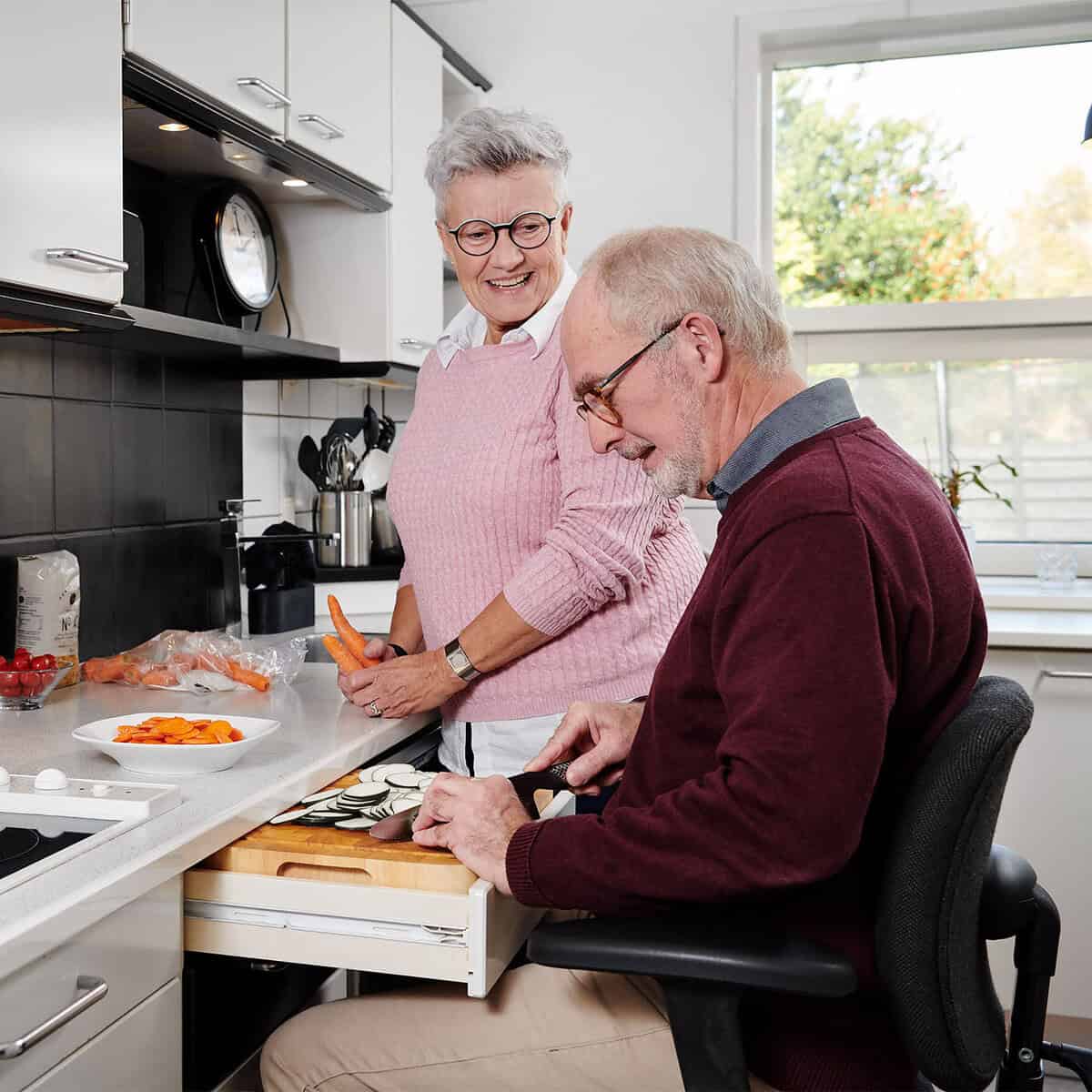
While traditional nursing homes offer comprehensive care, many seniors seek solutions that allow them to maintain independence within their own homes. This is where adaptive equipment, such as the VELA chair, comes into play. As a medically approved mobility chair designed for home use, VELA provides enhanced safety and freedom of movement while seated. It supports daily activities like cooking, dressing, or transferring, significantly reducing the reliance on informal caregivers and promoting a sense of self-sufficiency. Recent technological advancements have further supported independent living for seniors. Integrated AI-powered assistive technologies, such as voice-activated devices and wearable smart tools like smart glasses and haptic navigation aids, now allow real-time interaction with surroundings, enhancing both safety and confidence at home.[1][2]
Staying Independent at Home with Support
Exploring alternatives to nursing homes involves implementing resources that enable seniors to remain at home comfortably. The VELA chair exemplifies such a resource, designed to extend the independence of older adults with features that address common mobility challenges faced by seniors. This chair offers benefits such as a central brake for increased safety, electric height adjustability, and ease of movement while seated. For many, using VELA’s chairs designed for easier movement at home can delay the need for nursing home care by enhancing autonomy in daily tasks. By reducing strain and providing ergonomic support, these chairs affirm the dignity, safety, and freedom that are essential for enjoying life at home. While VELA is a proven solution, it’s one of several aids available to support aging in place successfully.
Recent research emphasizes the importance of user-centered and inclusive design in assistive products, encouraging direct feedback from seniors to improve the effectiveness and comfort of these technologies.[6] Moreover, assistive solutions are increasingly found in mainstream consumer devices, such as AI-enabled smart glasses for real-time environment interpretation and adaptive controllers for gaming, showcasing how technology now promotes independence and social participation both at home and in the community.[3][4]
Clinical recommendations and best practices are evolving alongside these advancements. AI-enabled devices and sensory augmentation technologies are now recognized as essential rehabilitation tools, further supported by policy trends in developed countries to increase access and adoption rates.[6] Staying informed about these updates ensures seniors and their caregivers can take full advantage of the expanding landscape of assistive technologies to enhance independent living.
- What’s Next for 2025: The Future of Assistive Technology & AI Assistants, Envision / LetsEnvision.com [1]
- Assistive Technology Statistics and Facts (2025), Market.us Media / Accessibility.com & WIPO report excerpts [2]
- Top 5 Assistive Technologies Showcased at CSUN 2025, Innocaption [3]
- Tech Blitz 2025 – Helen Keller Services [4]
- Assistive Technology Roundup: August 2025 Update, First Aid for the Blind [5]
- 2025 Special Issue on Advancements and Innovations in Technology, Journal of Visual Impairment & Blindness / American Foundation for the Blind [6]
- Assistive Technology Industry Association (ATIA) event info and resources [7]