

Updated September 2025: We have updated the article with new developments in AI-powered mobility aids, advanced wearable seizure detection devices, smart home integration, telehealth solutions, and user-centered assistive technologies for seniors with epilepsy and mobility challenges.
Enhancing Quality of Life for Seniors with Epilepsy
Independent living with epilepsy presents both challenges and opportunities, particularly for elderly individuals who are managing the condition alongside age-related issues. Despite the hurdles, it is possible for seniors with epilepsy to live safely and fully. Approximately 2.9 million US adults have active epilepsy, a condition that frequently complicates access to healthcare due to medication costs and transport concerns, according to the CDC.
Understanding Independent Living with Epilepsy in the Elderly
Epilepsy is more prevalent in older populations who also face unique challenges, such as cognitive decline and an increased risk of falls. The World Health Organization (WHO) highlights that nearly 80% of people with epilepsy live in low and middle-income countries, indicating a global need for policy changes to support healthcare access and reduce discrimination. For elderly individuals, balancing seizure management with age-related health concerns is crucial. Many find themselves navigating daily activities with added anxiety due to the potential for seizures.
Real-life scenarios exemplify the daily lives of seniors with epilepsy. Mr. Johnson, an 80-year-old retiree, times his outdoor walks to coincide with neighbor check-ins for safety, ensuring a quick response if a seizure occurs. Meanwhile, Mrs. Davis relies on a meticulously maintained medication checklist to avoid missed doses that could trigger seizures.
Key Safety Considerations for Home-Based Epilepsy Care
The home environment plays a critical role in enabling safe independent living. Key safety measures include fall prevention strategies such as securing rugs, implementing bathroom grab bars, and using non-slip mats. Emergency plans are vital, with contacts readily available and medical information accessible. According to Medical News Today, proper home modifications and a seizure safety plan are fundamental for individuals living alone. The best approach is reducing potential hazards and ensuring that help is always a step away.
Home Modifications and Medical Alert Technologies
Enhancing home safety and independence can be achieved with medical alert systems and adaptive technologies. These tools are essential for those who live alone, providing immediate assistance during a crisis. For instance, medical alert bracelets can connect users to emergency services with the push of a button.
Current advancements in wearable seizure detection devices (SDDs) now offer non-invasive wrist- and arm-worn monitors that track physiological signals such as heart rate, movement, and electrodermal activity. These devices have been developed with improved accuracy, comfort, and appealing designs. Long-term user acceptance depends on factors like comfort, ease of use, cost, data privacy, and clinical endorsement. Such technologies can offer timely seizure alerts, potentially decreasing injury risk and reducing anxiety for seniors and caregivers. Epilepsy Alliance America; Hadady et al. 2025.
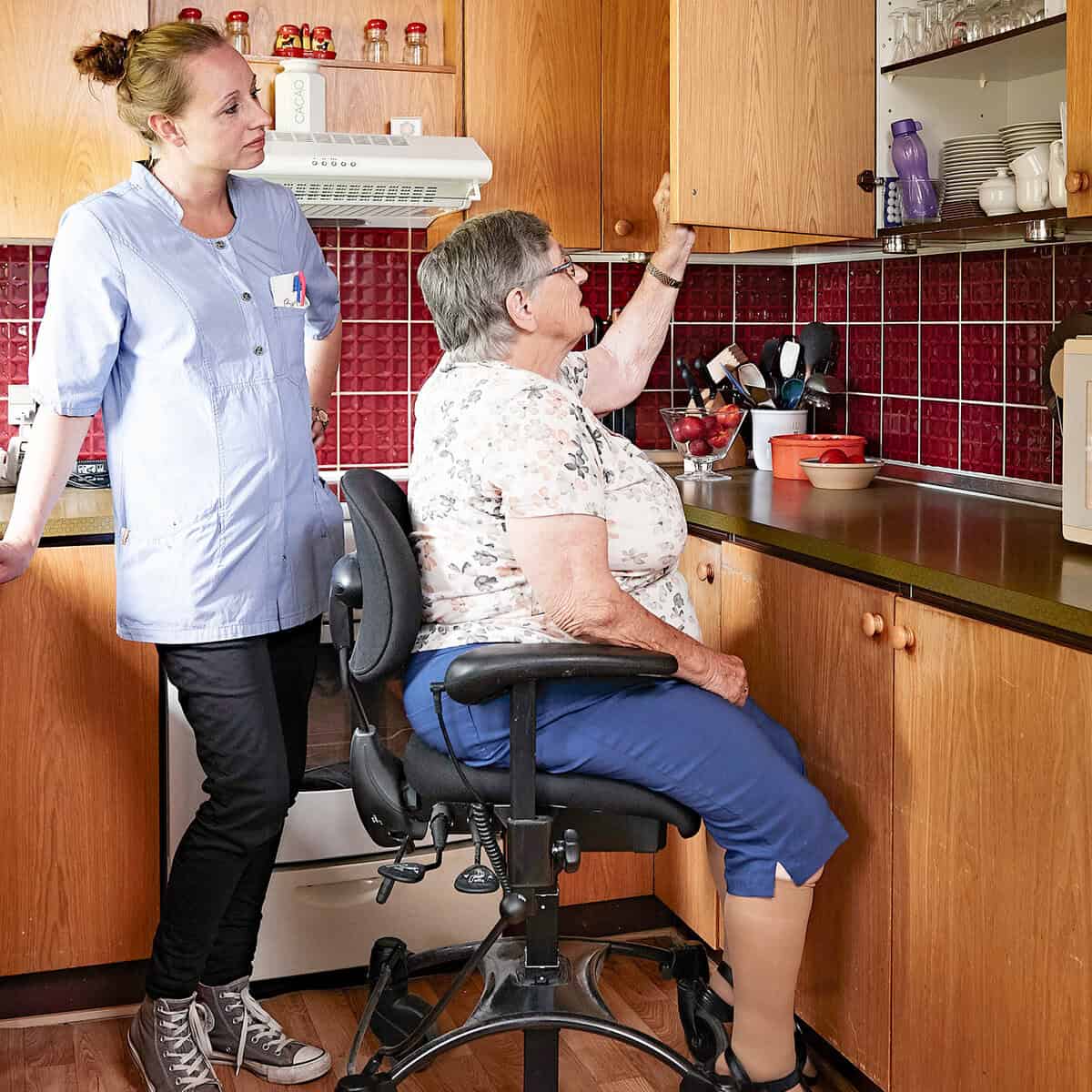
In addition, adaptive equipment like the VELA chair improves mobility and reduces fall risk significantly. Ambitions ABA emphasizes the critical need for such products across various demographics. The VELA chair offers stability and ensures seniors can remain mobile safely.
Emerging assistive mobility aids now include AI-powered smart wheelchairs and robotic exoskeletons. These advanced devices provide adaptive navigation, real-time obstacle detection, health monitoring for posture and pressure, and even intuitive controls such as voice, gesture, and facial recognition. Some can autonomously follow companions or return to predetermined home bases, greatly enhancing safety and autonomy for older adults living with epilepsy and mobility challenges.
Keyway Medical 2025;
Think Beyond the Chair 2025;
Tomcare 2025.
For seniors preferring to age in place instead of moving to nursing homes, solutions that enhance independence in the home are crucial. Smart home integration using voice-activated controls, IoT-managed lighting and appliances, and remote health monitoring now further empower seniors with disabilities, offering added safety and convenience when living alone.
Tomcare 2025.
Adaptive aids can empower seniors to perform daily activities without constant caregiving. The VELA Independence Chair is a medically approved mobility aid that offers safety and freedom of movement while seated. It’s designed to support seniors in activities like cooking, dressing, or transferring, allowing them to maintain dignity and reduce the caregiving burden.
Socio-economic and Access Barriers: Overcoming Financial and Logistical Challenges
Socio-economic conditions significantly impact seizure management and healthcare access. According to the National Institutes of Health (NIH), there’s a strong link between higher seizure control and higher family income. For low-income families, the cost of medications and treatments can be prohibitive. However, several strategies, including community support networks and financial assistance programs, can help mitigate these barriers. Local organizations often provide resources such as free clinics or support groups, essentially reducing the socio-economic disparities influencing epilepsy management.
Access to transportation and medication is another concern for seniors. Programs that assist with travel to medical appointments or provide medication delivery reduce these burdens significantly. Additionally, the rapid growth of telehealth now allows many seniors to attend medical appointments remotely, providing access to epilepsy specialists and care without the need for travel, which is especially valuable for those with limited mobility.
Epilepsy Innovation Roundtable 2025.
Enhancing Independent Living: Local Resources and Support
Community resources, such as local Epilepsy Foundation chapters, play a vital role in supporting seniors with epilepsy. These organizations offer guidance, support groups, and case management services, empowering individuals to live independently. For example, Mrs. Smith found peace of mind through a support group that connected her with nearby volunteers for daily check-ins, enhancing her ability to live independently.
In addition, senior living facilities with integrated medical support systems facilitate 24/7 assistance and social engagement, fostering a supportive community environment. According to user reviews, families often express greater confidence in these facilities for managing the complex needs of their loved ones.
Personalized device design, clinical endorsement from health professionals, data privacy protection, and addressing financial reimbursement remain important to ensure acceptance of new assistive technologies for epilepsy management, mobility, and daily living in the elderly population.
Hadady et al. 2025;
Ong et al. 2022;
Rocon et al. 2012.
In conclusion, while challenges exist for seniors with epilepsy striving for independence, multiple resources and strategies can support a fulfilling, safe home life. By leveraging medical technologies, making thoughtful home modifications, and accessing community resources, the potential for enhanced quality of life is within reach.
How Mobility Solutions Like VELA Make a Difference
The VELA Independence Chair can be pivotal in supporting seniors who wish to stay independent at home longer. Designed for both safety and convenience, it incorporates features like a central brake for enhanced security, electric height adjustability for easy transfers, and freedom of movement while seated. These characteristics can significantly delay the need for nursing homes by providing energy-saving support for daily activities. With the VELA Chair, seniors can engage in day-to-day tasks such as cooking and cleaning with reduced risk of falls and greater autonomy. This promotes not only safety and mobility but also dignity and a sense of freedom for aging adults. While not the only option, the VELA Chair stands as a proven and practical solution amidst varied mobility aids.
Mobility Solutions for Independent Living like the VELA Chair offer a blend of safety, comfort, and functionality, providing seniors with the confidence to remain in their homes. Moreover, exploring Safe Living Solutions can help prevent falls, an essential step in creating a secure environment for those managing epilepsy.