

Updated February 2026: We have updated the article with new information on the standardization of smart home technologies in senior cottages, a privacy-first approach to resident monitoring, enhanced personalization in design and finishes, unified digital care platforms, current market occupancy data, and expanded sustainability standards in independent senior living communities.
Independent Senior Living Cottages: A Comprehensive Guide
With the growing senior population, the housing market must adapt to accommodate the unique needs of older adults. Independent senior living cottages offer an attractive option for those who seek autonomy, community support, and a maintenance-free lifestyle. In this article, we’ll explore the essential aspects of these residential options, focusing on demographic insights, market trends, and how they cater to seniors’ evolving needs.
Understanding Independent Senior Living Cottages
Independent senior living cottages are purpose-built residences that allow older adults to maintain their independence while enjoying the benefits of a communal environment. These cottages typically offer private living spaces with modern amenities and access to shared community resources.
Seniors commonly opt for these cottages to downsize from larger family homes, seeking a more manageable living situation while remaining close to social networks and healthcare resources, as noted by Haven Senior Investments.
Market Trends and Growth in Senior Living
According to the Data Insights Market, the U.S. senior living market is projected to grow significantly, with a valuation of $112.93 billion in 2025 and an anticipated growth rate of 5.86% annually through 2033. This growth is partly fueled by the increased senior population, which grew by 38.6% from 2010 to 2020.
“As per the JLL 2025 Survey, there is strong investor confidence in the sector, driven by demographic shifts. Expect innovations in community designs and expanded living options.”
Market research indicates steady construction and increasing demand for independent living cottages, with many communities prioritizing renovations of existing housing to introduce modern features and sustainability upgrades. Independent living occupancy surpassed 90% for the first time since 2019 as of Q3 2025, highlighting strong market demand and limited new supply. The market outlook remains robust, influenced by demographic trends and continued investor interest in the sector. (NIC, JLL Research)
Senior living communities that have successfully expanded demonstrate the industry’s potential, illustrating how strategic planning and investment can enhance community offerings and resident satisfaction.
Features and Benefits of Senior Living Cottages
Senior living cottages blend comfort and convenience with thoughtful design and community integration.
- Physical Design Characteristics:
- Single-story layouts with universal design features to support aging in place.
- Features like private entrances, outdoor spaces, and open floor plans, typically with 1-2 bedrooms and a full kitchen.
- Home modifications that improve accessibility, such as wider doorways, ramps, and bathroom adaptations.
- Integration of flexible and customizable living spaces that allow residents to tailor their environments as needs change, with resident involvement in design decisions and options for customizable finishes, dedicated dining areas, and modern kitchens comparable to previous homes (McKnight’s Senior Living).
- Smart home assistive technologies are now standard, with features such as voice-activated assistants, intelligent environmental controls, automated lighting, and AI-driven health monitoring systems to enhance safety and independence (Heisinger Bluffs).
- A privacy-first design philosophy with AI-based safety monitoring systems that ensure security without the use of cameras or audio recording, supporting residents’ independence while upholding privacy preferences.
- Sustainable features like energy-efficient appliances, solar panels, green roofs, community gardens, and integration with smart grids for environmental stewardship and wellness (Heisinger Bluffs).
- Community Amenities and Services:
- Centralized community centers, fitness classes, transportation services, and organized social activities.
- Monthly fees covering exterior maintenance, landscaping, and utilities, with optional à la carte services.
- Access to on-site physical therapy or spaces designed for rehabilitation and wellness activities.
- Routine social engagement supported by connected communities, including co-housing models, shared event spaces, and multigenerational programming to reduce isolation and support mental health (Dose Packer).
- Unified care platforms now serve as essential infrastructure, consolidating resident engagement data and health insights to enable coordinated, person-centered care across all resident interactions.
Real-life resident stories highlight the positive impact of these amenities, such as a resident who enjoys the community’s wellness programs and accessible social events, according to The Senior List.
Transitioning to Independent Living
Deciding to move to an independent living cottage requires careful consideration of individual needs and preferences.
- Key Considerations:
- Ideal timing for the transition, often driven by a desire to downsize and experience a community-driven lifestyle.
- Evaluating contract terms, location, available services, and community culture.
- Assessing modern features and technology integration, such as standard smart home systems, privacy-enhancing safety monitoring, rehabilitation resources, and flexible spaces designed to accommodate future needs.
- Reviewing regulatory compliance regarding staff training, medication safety protocols, and personalized care standards that impact resident safety and well-being (Dose Packer).
- Financial Planning:
- Understanding costs, which can vary significantly based on location and service levels.
- Considering options like Veterans benefits or long-term care insurance for potential future needs according to the National Strategy Report.
The story of a senior couple successfully transitioning to their new cottage underscores the importance of planning and selecting a community that aligns with personal priorities.
Enhancing Independence with Mobility Aids
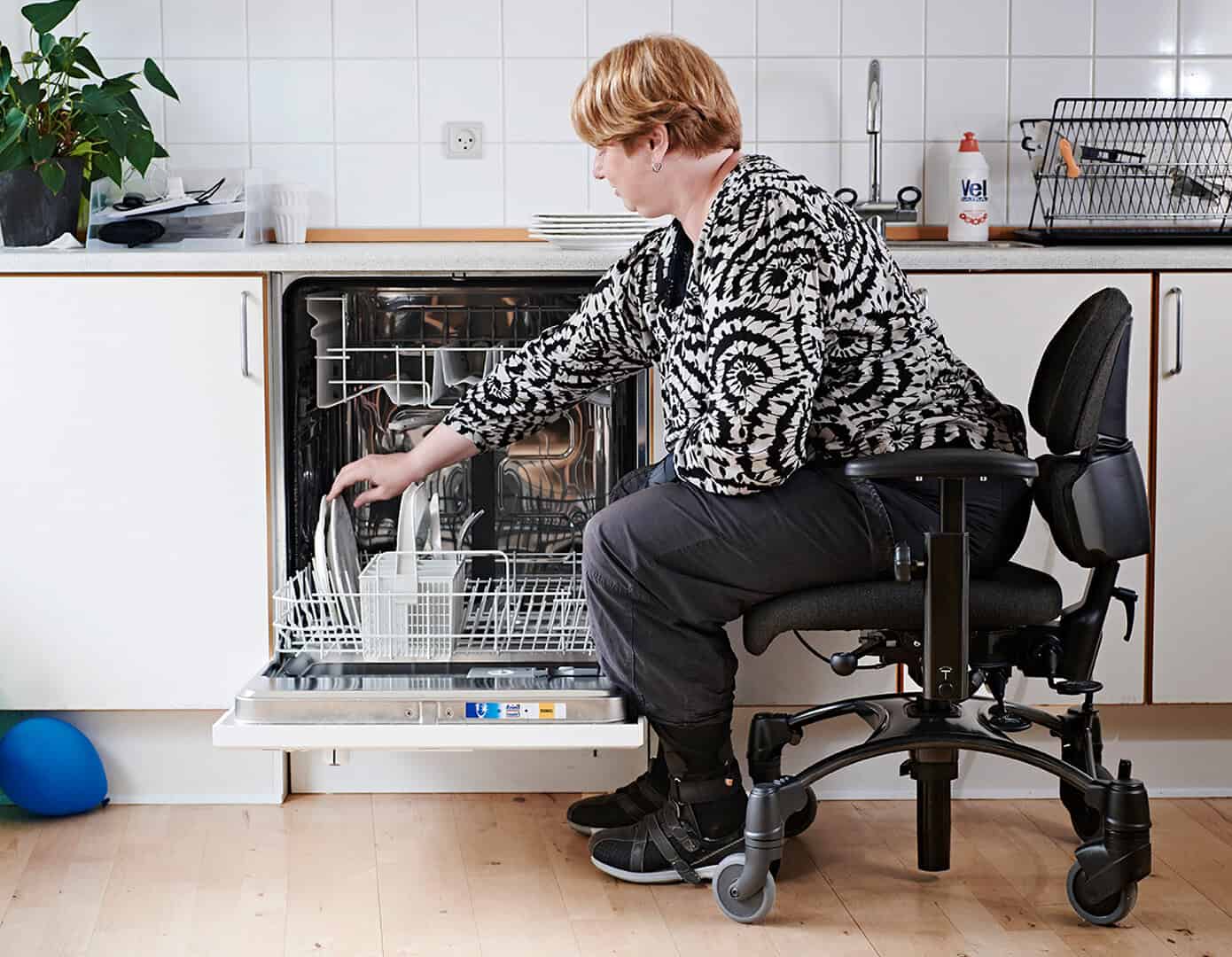
Nursing homes are often considered as a last resort, neither desirable nor necessary for all older adults. For many, alternatives exist that allow aging individuals to remain in their homes with dignity. Among these, mobility solutions like the VELA chairs play a pivotal role. VELA chairs are medically approved mobility aids crafted to enhance safety and freedom of movement while seated, assisting with daily tasks such as cooking, dressing, or transferring. Not only do they provide vital support for the seniors themselves, but they also help reduce the load on informal caregivers by offering ergonomic assistance in routine activities. Through their innovative design, these chairs help maintain independence and ease the transition into age-appropriate living arrangements.
Exploring Alternatives to Nursing Homes
Mobility solutions such as VELA Chairs contribute significantly to helping older adults stay independent longer at home. The thoughtful design of these chairs addresses safety concerns with features like a central brake, ensuring stability while the user is seated. Height adjustability allows for easier transfers and reaching tasks, making daily activities such as cooking and cleaning more accessible. With ease of movement while seated, seniors can conserve energy, maintaining their vitality and dignity. Life with a VELA Chair means empowering spent years at home, potentially delaying the need for a nursing home. Though VELA offers a prominent solution, it’s but one in a suite of tools available in supporting aging in place effectively.
References
- Heisinger Bluffs blog: “The Future of Senior Living: Trends to Watch in 2025”
- McKnight’s Senior Living: “4 Senior Living Design Trends Shaping 2025”
- Dose Packer: “The Future of Senior Living: Top Trends to Watch in 2025”
- JLL Research: “2025 Seniors Housing & Care Investor Survey and Trends”
- National Investment Center for Seniors Housing & Care (NIC): “2025 Growth Outlook for Senior Housing & Care”
- LifeLoop Senior Living Trends Report 2026
- NIC MAP Housing Data
- Compass Associates Technology Adoption Report
- Senior Housing Business design trend and market analysis (2026)