

Updated September 2025: We have updated the article with recent advancements in assistive technology for seniors, new Massachusetts legislative changes affecting independent and assisted living, and fresh initiatives expanding access to mobility solutions and state-supported resources.
Independent Senior Living in Massachusetts: A Growing Need
As the population of seniors over 65 continues to grow in Massachusetts, comprising 17.47% of the state’s demographic and outpacing the national average, exploring independent senior living options becomes increasingly vital. These communities appeal to those seeking an active, maintenance-free lifestyle, enabling them to remain socially engaged and independent without the burdens of home upkeep. According to A Place for Mom, the 2025 national median cost of independent living communities is approximately $3,145 per month, with Massachusetts costs ranging from $2,250 to $5,650 per month.
Understanding Independent Senior Living in Massachusetts
Independent senior living is distinct from assisted living or home care, as it offers housing with services such as meals, housekeeping, social activities, and transportation, without including medical care. Typically, residents are 65 and older, in good health, and financially prepared to cover living expenses. Hebrew SeniorLife, affiliated with Harvard Medical School, highlights that many communities adopt evidence-based approaches to enhance resident experiences through enriching social and wellness programs.
Top-Rated Independent Living Communities in Massachusetts
Massachusetts boasts several top-rated independent living communities. For instance, Orchard Cove in Canton is recognized by U.S. News & World Report for its vibrant activities and resident satisfaction. NewBridge on the Charles in Dedham and Jack Satter House in Revere have also been lauded by Hebrew SeniorLife for community engagement and quality care. Residents like Alex frequently express their satisfaction, emphasizing community cohesion and top-notch amenities.
Typical Costs and What’s Included in MA Independent Living
Costs for independent living in Massachusetts generally range from $2,250 to $5,650 per month. Variables influencing these prices include location, amenities, and the breadth of services such as meals, housekeeping, and transportation. Seniors like John, who rely on a fixed income, find budgeting more manageable with these inclusive monthly fees.
Innovations in Independent Living: VELA Chairs, Robotics, and Fall Prevention
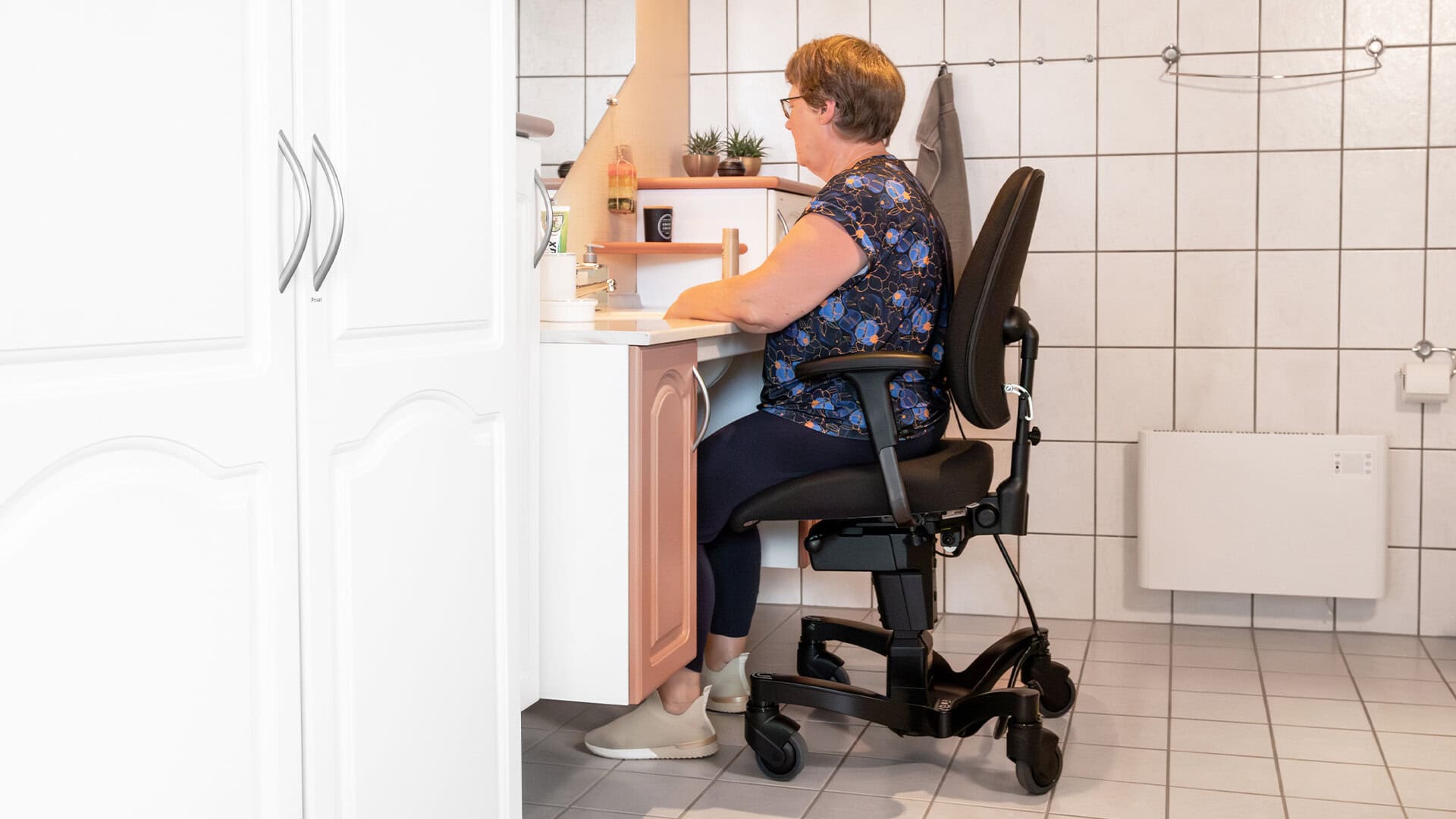
As the conversation around independent living versus traditional nursing homes evolves, many seniors are seeking ways to maintain their autonomy within their familiar home environments. Rather than transitioning to a nursing home, which might feel restrictive, solutions like the VELA Independence Chair offer new pathways to staying independent at home. The VELA chair is a medically approved mobility chair designed for home use, providing enhanced safety and freedom of movement while seated. It supports daily activities like cooking, dressing, or transferring, reducing the burden on informal caregivers.
New advancements in assistive technology are further shaping the landscape of independent living. Notably, the recently developed MIT Elderly Bodily Assistance Robot (E-BAR) uses robotics to support seniors physically, assisting them with activities such as sitting, standing, walking, and minimizing fall risk using airbags if a fall is detected. These emerging technologies represent a leap in combining robotics with fall prevention to help older adults remain independent in their homes for longer MIT News. Statewide programs like the Assistive Technology Regional Center Mobile Van also provide hands-on demonstrations and access to new devices for seniors, particularly in rural and underserved regions Easterseals Massachusetts.
How to Choose the Right Community: Key Questions to Ask
When selecting an independent living community, it’s crucial to inquire about amenities, social opportunities, cost structure, and the integration of adaptive technologies such as VELA chairs. Additionally, ask about the availability of the latest assistive devices, including robotics and community technology outreach programs, to ensure access to cutting-edge fall prevention and mobility support. Ensuring these tools are compatible within an independent living setting provides seniors and their families with peace of mind, knowing that residents have support against common fall risks.
Frequently Asked Questions about Independent Senior Living in Massachusetts
- What does independent living cost in Massachusetts? Costs range from $2,250 to $5,650 per month, affected by services and location.
- Are there affordable independent living options? Yes, some communities offer lower-cost options, often with fewer amenities.
- How can VELA chairs aid independence? VELA chairs improve mobility, reduce fall risks, and ensure comfort, aiding seniors in daily tasks.
- What new assistive technologies are available to support independence? In addition to VELA chairs, advanced robotics like the MIT E-BAR and outreach programs such as the Assistive Technology Regional Center Mobile Van now provide even more options for safe, independent living MIT News; Easterseals Massachusetts.
Massachusetts offers a diverse range of independent senior living options, catering to various needs and preferences. By combining vibrant communities with innovative solutions like VELA chairs and robotics, the quality of life for seniors is significantly enhanced, allowing them to enjoy independence alongside security. Understanding the costs, services, and community culture is essential when contemplating this transition, ensuring a choice that suits lifestyle aspirations and health needs. For guidance on top-rated independent living communities, resources like Hebrew SeniorLife’s comprehensive evaluations remain invaluable.
Supporting Aging in Place: A Practical Option
For many seniors, maintaining independence at home is crucial to their sense of dignity and quality of life. Mobility solutions like the VELA Independence Chair offer a practical way to support this goal. Designed with features such as a central brake for enhanced safety, electric height adjustability, and ease of movement while seated, VELA chairs help seniors stay active in their homes longer. These chairs support everyday tasks like cooking, cleaning, and relaxing, making it easier for seniors to manage daily routines autonomously. By reducing the strain on informal caregivers, VELA chairs can delay the need for nursing home care, fostering a sense of freedom and security. Recent developments also include technologies like the MIT E-BAR, which further enables aging in place through physical support and fall prevention. Community resources now include mobile AT outreach from the ATRC, expanding access to technology where it is needed most MIT News; Easterseals Massachusetts. Mobility Chairs for Enhanced Independence, Independent Living for Seniors with VELA.
Regulatory and Financial Updates Impacting Senior Living in Massachusetts
Massachusetts has recently enacted significant reforms in long-term care and assisted living regulations. New laws emphasize improved oversight, safety standards, and quality—such as funds for innovation in skilled nursing facilities and adoption of “small house” nursing home designs featuring fewer residents and homelike environments AFS Law; MA Legislature Press Release. State policymakers are also advancing legislation (such as SB 474 / HB 791) to expand Medicaid coverage to assisted living, recognizing this care model as crucial for bridging the gap between home care and nursing homes. These bills aim to increase affordability and access to assisted living, following closures driven by funding inadequacies McKnight’s Senior Living.
Alongside state initiatives, there is now national awareness of the important role of assistive technology for seniors and people with disabilities. April 30, 2025, was designated as National Assistive Technology Awareness Day, spotlighting the necessity of devices and services that aid independence in senior living U.S. Senate News. Massachusetts continues to lead in assistive technology support, now offering expanded outreach and demonstration services via the Assistive Technology Regional Center Mobile Van, improving access for seniors statewide U.S. ACL.
Despite ongoing challenges at the national level regarding assisted living regulation, Massachusetts has responded to recent safety incidents by strengthening oversight and revising facility standards for better resident protection The Business Journal. These reforms and expanding technology initiatives ensure that independent and assisted senior living in Massachusetts continues to evolve to meet the needs of a growing and diverse senior population.