

Updated September 2025: We have updated the article to reflect new developments in assistive technologies—including AI-driven monitoring tools and virtual reality for cognitive support—enhanced ergonomic and inclusive design standards, recent regulatory changes in senior living, and the growing importance of digital innovation and personalized care models in ensuring resident safety and autonomy.
Independent Senior Living Regulations: Ensuring Safety and Independence in 2025
By 2030, all Baby Boomers will surpass the age of 65, signaling a critical need for comprehensive independent senior living regulations. These regulations help protect the growing aging population, ensuring safe and comfortable living environments while promoting independence. According to the U.S. Department of Housing and Urban Development (HUD), “HUD subsidizes senior apartments and provides Section 8 Housing Choice Vouchers, enabling low-income seniors to access independent living options.” Understanding and navigating this regulatory landscape is crucial for seniors, families, and communities across the nation.
Navigating the 2025 Landscape of Independent Senior Living Regulations
Independent senior living regulations involve a network of federal and state entities, primarily HUD and the Centers for Medicare & Medicaid Services (CMS). While HUD focuses on housing assistance and ensuring compliance with the Fair Housing Act, CMS oversees health-related aspects within senior communities. Federal regulations set nationwide standards, whereas states can impose additional requirements based on regional needs and trends.
For instance, consider a senior transitioning to independent living. They need to be aware of key protections like the Fair Housing Act, which ensures they cannot face discrimination based on age, disability, or other protected classes. According to Life Care Services (LCS) Compliance Guide, senior living communities must comply with federal laws to protect resident rights.
Recent trends further show that regulations are increasingly supporting personalized care plans based on data-driven insights, integrating advanced assistive technologies for enhanced safety, and encouraging inclusive, ergonomic environments.Distinctive Living Seniorsite
Significant 2025 Regulatory Changes Impacting Senior Living
In 2025, several noteworthy changes in independent senior living regulations are anticipated, driven by both federal and state initiatives. Georgia, for example, has implemented stricter licensing and certification guidelines, emphasizing enhanced health, safety, and sustainability standards. According to Canopy Lifestyles, this shift reflects a broader commitment to improving the living conditions for the elderly through comprehensive policy updates.
New regulatory activity is also notable in states like Massachusetts, where updated legislation improves oversight of assisted living facilities and allocates more funding for specialized care units, including dementia and infectious disease management.AFS Law McKnight’s Senior Living The Joint Commission has also updated emergency management guidelines effective mid-2025, further prioritizing senior safety in crisis situations.Seniorsite
A relevant example comes from a senior community in Georgia adapting to new emergency preparedness protocols. They implemented sustainable practices, including recycling programs and energy-efficient buildings, aligning with the state’s stringent regulatory demands.
Ensuring Health and Safety in Senior Living Communities
Health and safety standards are of paramount importance in senior living environments. The Centers for Medicare & Medicaid Services notes that these standards include rigorous regulations for infection control and mandatory emergency preparedness strategies. These protocols aim to protect residents from potential health risks and ensure swift responses to emergencies.
The regulatory focus is moving towards more technology-enabled, proactive safety systems. Many communities now utilize remote health monitoring, AI-driven analytics to predict changes in resident status, and virtual reality tools for cognitive engagement and mental health. These digital advancements not only support compliance but also enhance the overall well-being of residents.Distinctive Living CLAConnect
Consider a community conducting a mock emergency drill to align with new regulations, providing reassurance to residents like Mary, who now feels more secure knowing her community is well-prepared. Such exercises demonstrate a commitment to resident safety and compliance with the latest standards.
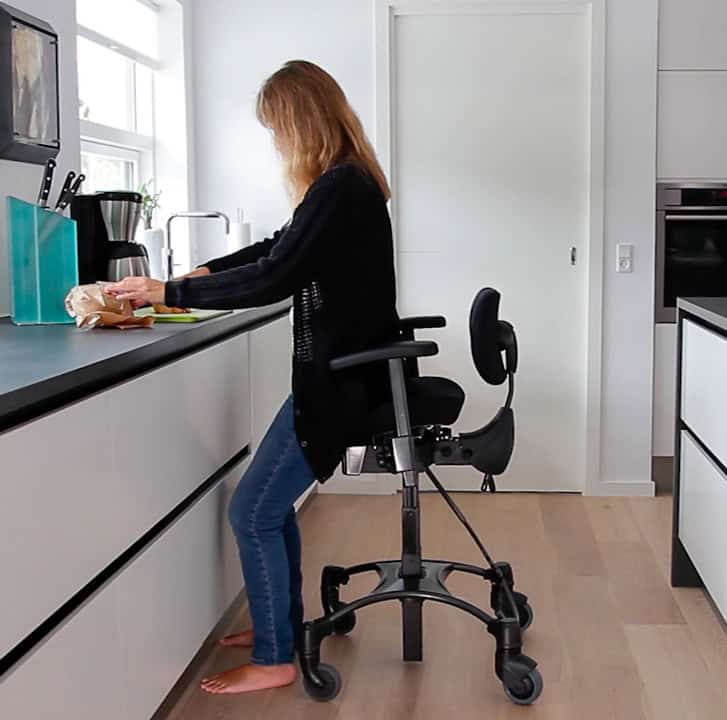
As we delve into enhancing independence, it’s crucial to explore tools and technologies that support older adults in their own homes. The VELA Independence Chair is one such innovation, offering a medically approved mobility solution. Designed for home use, this chair enhances safety and freedom of movement while seated, aiding in daily activities like cooking, dressing, or transferring, thus reducing the burden on informal caregivers. By focusing on solutions like the VELA Chair, communities can help seniors maintain their independence, aligning with modern safety regulations and improving quality of life. Suggested resources like Mobility Solutions for Seniors highlight these benefits.
How to Select a Safe and Regulation-Compliant Senior Community
Choosing the right senior living community involves more than just considering amenities; it requires assessing compliance with both state and federal regulations. A detailed checklist can guide families in evaluating community features such as financial transparency, resident rights, and regulatory compliance.
Today, resident preferences are shifting toward amenities and environments that maximize autonomy, socialization, and sustainability—qualities increasingly reflected in personalized care plans and inclusive, ergonomic community design.Seniorsite Advanced assistive technologies, adaptive furniture, automated door and lighting systems, and intuitive environmental controls help ensure accessibility for a wide range of mobility or cognitive challenges. Experts highlight the need to balance more demanding regulatory frameworks with operational flexibility to support a strong, skilled workforce and maintain a high quality of care.McKnight’s Senior Living
Take the example of the Martinez family, who diligently researched various independent living options for their mother. They reviewed financial practices, inspected health and safety protocols, and analyzed resident feedback to ensure the community adhered to regulatory standards. The National Center for Assisted Living (NCAL) offers resources to aid this process, ensuring families make informed decisions.
Supporting Aging in Place: A Practical Option
As we explore ways to help seniors age gracefully at home, mobility solutions like the VELA Independence Chair stand out for their practical benefits. By incorporating features such as a central brake for safety and electric height adjustability, these chairs directly address prevalent concerns like fall risks and limited mobility. This support allows seniors to engage in everyday tasks with greater ease and confidence, delaying or even eliminating the need for a nursing home. Utilizing such aids not only preserves dignity and independence but also significantly reduces physical and mental strain on caregivers. While VELA is not the only solution available, it exemplifies a proven approach that enhances life significantly, ensuring that seniors can continue to enjoy activities such as cooking, relaxing, and spending quality time in their familiar surroundings.
Sources:
Distinctive Living
AFS Law
McKnight’s Senior Living
Seniorsite
CLAConnect
McKnight’s Senior Living
Seniorsite