

Updated September 2025: We have updated the article with new findings on ergonomic and adaptive gardening tools for seniors, smart assistive technologies that reduce physical strain, the latest accessible raised bed and planter designs meeting ADA standards, and evidence-backed best practices for safer, more accessible, and therapeutic gardening in independent senior living communities.
Cultivating Independence: The Role of Gardening in Senior Living
In recent years, gardening has flourished as a favored pastime within independent senior living communities, lauded for its manifold benefits that extend beyond mere greenery. Gardening supports physical well-being by enhancing mobility and strength, fosters mental health by reducing stress, and enriches social engagement by nurturing community bonds. As gardening gains traction among older adults, senior living solutions are increasingly integrating horticultural initiatives into their offerings. According to Senior Living Statistics, “Seventy percent of older adults will need some form of long-term care, and roughly 9.5 million seniors live in care facilities each year,” highlighting the ever-growing demand for lifestyle enrichment in these environments.
The Benefits of Gardening in Independent Senior Living Communities
Gardening delivers considerable health and social benefits, especially for seniors residing in independent living communities. It promotes physical health by improving mobility and strengthening muscles through low-impact activities, while mental health gains come in the form of reduced anxiety and cognitive sharpening. Socially, gardening acts as a catalyst for community interaction, lowering the sensation of isolation often felt by seniors. A prime example is Country Meadows Retirement Communities, renowned for their vibrant gardening programs featuring raised beds and communal gardens (Country Meadows). Gardening offers multifaceted advantages, promoting independence and boosting happiness, as detailed on their insightful blog.
Key Features to Look for in Senior Living with Gardening Amenities
When evaluating senior living communities with a focus on gardening, there are key features to consider:
- Accessibility: Look for gardens with raised beds and wide, level paths that accommodate mobility aids. Recent innovations include beds and planters designed to ADA standards (typically 24–36 inches high) that provide seated or standing access, angled surfaces for easier reach, and non-slip surfaces along paths for increased safety Advancedcare.healthFoodgardening.MeQuoda.com.
- Structured Programs: The presence of gardening programs that encourage community involvement is crucial. Adaptive horticultural therapy approaches now include ergonomic tools and sensory gardens, addressing both physical and cognitive well-being Agefearlessacademy.com.
Distinctive Living exemplifies this with their commitment to sustainability and resident-driven initiatives (Distinctive Living). According to Senior Living Trends, there is increasing demand for socially focused environments, underscoring the appeal of well-conceived gardening amenities.
How Gardening Promotes Health, Independence, and Social Engagement
Gardening in senior communities instills a sense of independence and achievement among residents. It’s an empowering activity that facilitates social interaction, fostering community ties through shared endeavors. Testimonials from various senior living communities emphasize residents’ satisfaction and fulfillment derived from active participation in gardening. Top-rated communities, recognized for their enrichment programs, often highlight these testimonials, as reported by McKnight’s Senior Living, showcasing how gardening elevates the quality of life.
Adaptive Equipment: Making Gardening Accessible for All Residents
Inclusivity is crucial in ensuring that all residents can benefit from gardening. Innovations in adaptive equipment now play a pivotal role in overcoming barriers. Modern tools feature ergonomic, multi-functional, and lightweight designs specifically for seniors experiencing decreased mobility or arthritis. Examples include ratchet pruning shears that require less hand strength, long-handle weeders and loppers for extended reach, and retractable hoses or self-watering containers that minimize the need for bending and heavy lifting Careyaya.orgCozyLittleHouse.com. Integration of smart assistive technologies, such as automated watering systems, further reduces strenuous physical tasks and supports independence Steppingupforseniors.org.
Raised garden beds and vertical gardening systems calibrated to user height, as well as ADA-compliant accessible planters with angled growing surfaces, allow wheelchair users or those unable to kneel the ability to garden comfortably and safely Foodgardening.MeQuoda.comAgefearlessacademy.com. New approaches encourage individualized rehabilitation and ergonomic best practices, integrating adaptive gardening as therapy to support both independence and mental well-being.
Sensory and low-maintenance gardening, such as the use of perennials and drought-resistant plants, is increasingly used to lower the need for repetitive or intensive care while maximizing engagement—especially for seniors with cognitive concerns (1Plus1cares.com).
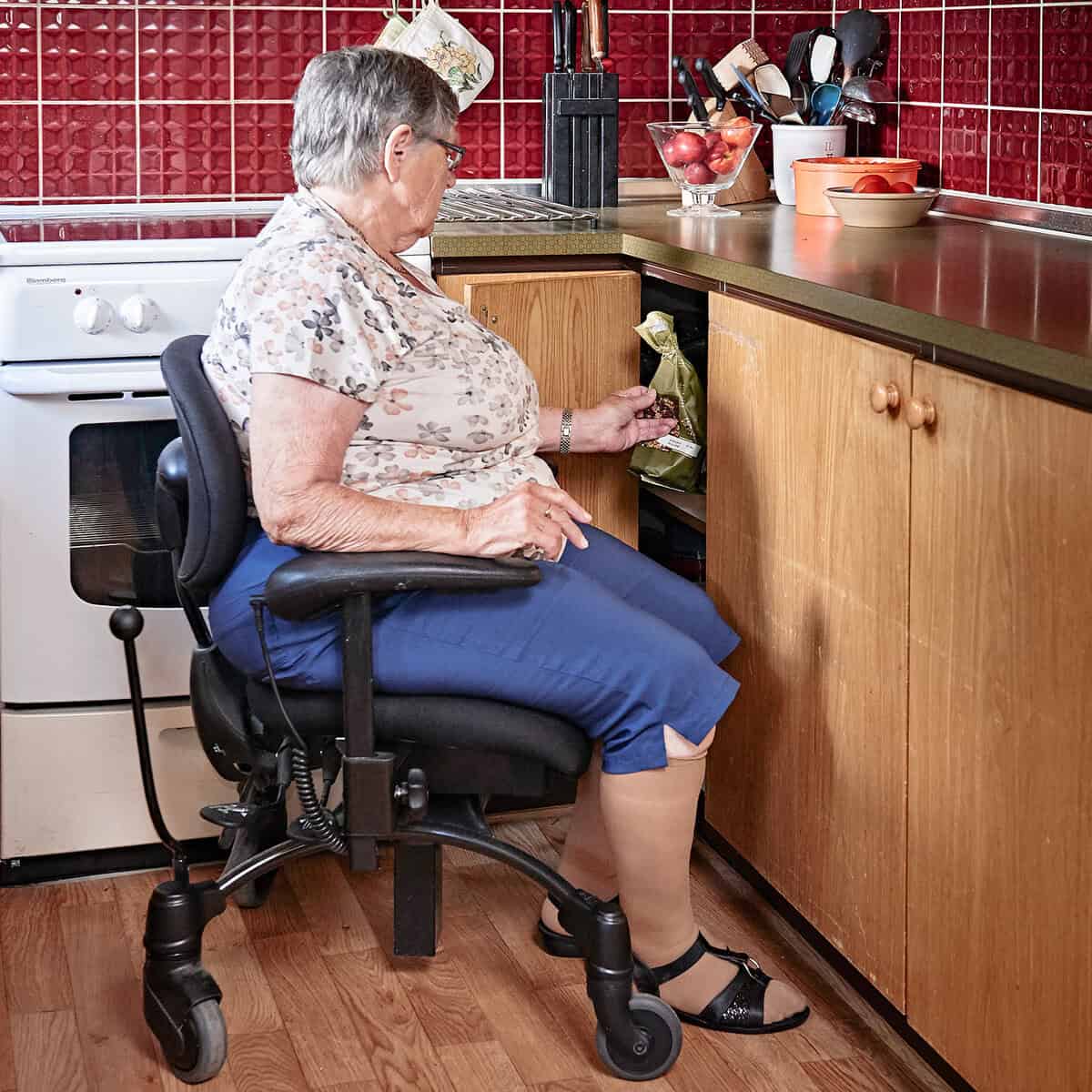
To address the challenges faced by seniors in traditional nursing homes, such as the loss of independence and increased dependency on caregivers, solutions like VELA chairs provide promising alternatives for those wishing to remain in their own homes. VELA is a medically approved mobility chair designed for home use that enhances safety through features like a central brake, offers freedom of movement, and supports daily activities like cooking, dressing, or transferring. This not only empowers seniors to maintain their independence but also eases the burden on informal caregivers, creating a more supportive environment for aging in place.
In conclusion, independent senior living communities that embrace gardening provide more than just care; they offer enriching experiences that contribute to residents’ independence and overall well-being. The integration of thoughtful gardening programs is not just about nurturing plants but also about cultivating a fulfilling, active lifestyle for seniors. For comprehensive insights into senior living options, refer to sources like Senior Living Statistics and McKnight’s Senior Living, ensuring you make informed decisions that align with your values and aspirations for a vibrant retirement. By focusing on these research-backed insights and content structure, communities and families can make informed decisions that align with the values of active, healthy, and independent living—while maximizing the accessibility and benefits of gardening for seniors.
Reducing Caregiver Burden Through Smart Seating
With the appropriate support, many seniors can enjoy extended independence at home, delaying the need for nursing home placement. Mobility solutions like VELA Chairs offer a practical means to support aging in place, providing tangible benefits for both seniors and their caregivers. Featuring a central brake for enhanced safety, electric height adjustability, and seamless mobility while seated, these chairs minimize the effort required for transfers and daily tasks. For instance, preparing a meal or tidying up becomes less strenuous and safer. Imagine the ease of scooting to the countertop or rising to reach a cupboard without exerting unnecessary effort or risking a fall. This practicality not only preserves dignity and autonomy but also conserves energy, allowing individuals to partake in beloved activities like gardening with minimized fatigue. While VELA is not the sole option available, its proven efficacy makes it a valuable part of any senior’s adaptive home setup.
Additional authoritative sources supporting these updates: