

Updated September 2025: We have updated the article with new research on AI-powered, integrated, and wearable assistive technologies, including advanced prosthetics, real-time communication and visual aids, and user-centered rehabilitation solutions that further promote independence for seniors and people with disabilities.
Lexington’s Independent Living: Meeting the Needs of an Aging Population
As the golden years approach, many seniors in Lexington, Kentucky, contemplate the next stage of life: independent living. According to the Kentucky Department for Aging and Independent Living, there is an anticipated 11.4% increase in Kentucky’s population aged 60 and older from 2020 to 2030, highlighting the growing demand for senior living accommodations. This demographic expansion calls for comprehensive solutions that balance autonomy with necessary supportive measures.
The Vibrant Independent Living Scene in Lexington
Independent living facilities in Lexington offer diverse options to accommodate various lifestyles and care needs. Many of these communities are part of larger campuses that include assisted living and memory care services, facilitating seamless aging in place. This integrated care approach ensures that residents can transition smoothly between varying levels of care as their needs evolve.
For instance, Seniorly-ranked Meadow View Community is a notable example, showcasing how residents benefit from a cohesive support system without the upheaval of relocating. According to Seniorly, this environment not only supports living but thriving, in an arrangement tailored to senior needs.
Understanding Costs and Regulatory Framework
Navigating the costs associated with independent living in Lexington can be daunting. The price varies widely, typically ranging from $649 to $4,620 per month across Kentucky, with Lexington averaging around $4,105. These fees generally cover housing, basic utilities, community amenities, meals, and social activities A Place for Mom.
Understanding regulatory requirements is essential for prospective residents and their families. Facilities offering assisted living must be certified by the Kentucky Cabinet for Health and Family Services, while those with personal care services are licensed as long-term care facilities. Regular inspections secure compliance with safety standards, thus ensuring peace of mind for residents and their families A Place for Mom.
Promoting Independence through Mobility Solutions
The transition from traditional nursing homes to solutions that allow seniors to maintain independence longer in their homes is making significant strides. In addition to established mobility aids, recent innovations now include AI-powered, integrated, and wearable technologies that offer real-time, context-aware assistance. AI assistants, for example, enable users to access information and support through natural language interaction, while wearable communication aids convert speech and gestures into clear audio, expanding opportunities for those with speech disabilities LetsEnvision ConnSense Report. Advanced robotic prosthetics, such as Bio Leg, use electric motors and sensors to more naturally replicate movement and improve user comfort and mobility ConnSense Report.
Other emerging tools include assistive glasses with live AI interpretation features. Devices like Meta Ray-Ban Smart Glasses provide real-time environmental descriptions and object identification using live video feeds, supporting hands-free operation and enhancing safety for those with vision loss First Aid for the Blind. Visual interpreting services and captioning tools, such as Aira and XanderGlasses Connect, supply real-time guidance for those who are blind, low-vision, or hearing-impaired Innocaption ConnSense Report.
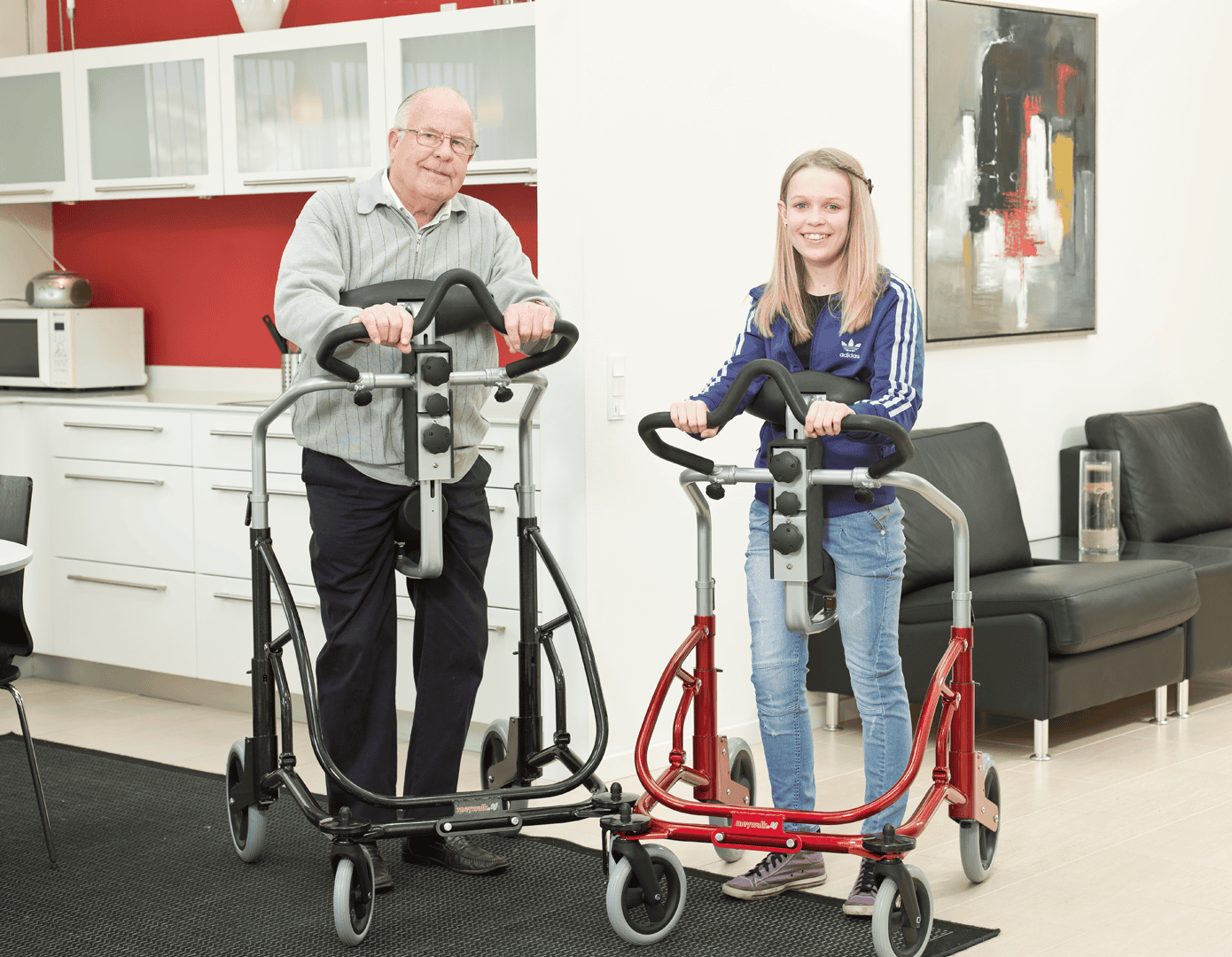
Innovative design and technology are at the forefront of this shift, helping older adults live autonomously in their own environment. Among these solutions, the VELA Independence Chair stands out as a medically approved mobility chair designed for home use. It offers enhanced safety and freedom of movement while seated, supporting daily activities like cooking, dressing, or transferring. This chair not only reduces the physical burden on the elderly but also alleviates some of the strains often faced by informal caregivers.
In a typical independent living scenario, VELA chairs serve as more than just seating; they act as integral support for seniors wishing to retain their independence without compromising safety.
Ensuring a Balanced Lifestyle
Selecting an independent living community involves more than just comparing costs and amenities. Prospective residents should consider the core aspects of community life, such as:
- Proximity to family, healthcare, and recreational facilities.
- Accommodations that suit personal tastes and needs.
- Cultural fit with the community’s lifestyle and social opportunities.
- Availability of additional care options to accommodate future health needs.
By addressing these factors, seniors can confidently choose a community where they feel supported and valued.
Preparing for the Future
Independent living communities are not just about the present; they prepare for future needs. Recent advances in rehabilitation and educational technologies are enhancing these preparations. User-centered design in new assistive tools, including VR and AR learning platforms, offers immersive rehabilitation and accessible training opportunities for those with visual impairments, based on feedback and inclusive principles JVIB. Educational environments increasingly utilize innovative aids, such as text-to-speech software, sip-and-puff controls, FM listening systems, and graphic organizers, supporting individuals with mobility and sensory challenges Asian College of Teachers blog.
When considering a move, it’s crucial to investigate the availability of higher levels of care, transportation services, and emergency response systems. Social programs remain essential to help mitigate the risk of isolation, an all-too-common issue among seniors. Clinical and regulatory guidelines now increasingly recommend personalizing assistive solutions, engaging users in design, and adopting inclusive technologies across healthcare, education, and everyday living JVIB.
A Promising Outlook for Lexington’s Seniors
In summary, Lexington’s independent living options provide a nurturing environment for seniors aiming to balance autonomy with necessary care. These communities are equipped to accommodate the growing senior population, addressing both physical and social requirements of this demographic. As the state continues to evolve its strategies to cope with an aging population, the prospects for seniors in Lexington remain promising and encouraging New Lifestyles.
The landscape of independent living in Lexington is expanding beyond traditional supports, incorporating AI-powered and wearable technologies, advanced prosthetics, and inclusive design. These innovations ensure that seniors live not just independently but also vibrantly, with personalized support and access to evolving solutions LetsEnvision ConnSense Report JVIB.
Staying Independent at Home with Support
Mobility solutions such as the VELA Independence Chair are proving invaluable for those preferring to age in place rather than move into a nursing home. Offering features like central brakes for safety and electric height adjustability, these chairs help seniors manage everyday activities with greater ease. For instance, the smooth mobility and stable design allow seniors to engage in cooking, cleaning, or simply relaxing, all while conserving energy and enhancing safety. By addressing mobility and transfer challenges, the VELA chair not only empowers users to remain independent longer but also eases the burden on caregivers. New assistive options now include AI-powered assistants, robotic prosthetics, wearable speech communication aids, and smart visual devices, reflecting a broader and more adaptive approach to independence at home LetsEnvision ConnSense Report First Aid for the Blind. Though not the only solution, chairs like VELA and these new technologies are a testament to how thoughtful, inclusive design can significantly impact the quality of life, promoting dignity and ensuring freedom for those in their golden years.