

Updated September 2025: We have updated the article to reflect recent advances in AI-powered assistive devices, brain-computer interface prosthetics, smart home and voice-controlled technologies, enhanced ergonomic design, and the growing emphasis on individualized rehabilitation and community-based independent living supports.
Introduction Strategy
In today’s rapidly aging society, fostering independence among seniors is crucial as they strive to maintain autonomy. According to the Centers for Disease Control and Prevention (CDC), comprehensive information is essential for people with disabilities, including healthy living, safety, and independent living. This highlights the importance of cultivating independent living skills, which are vital not only for seniors but also for individuals with disabilities. These skills support day-to-day functionality, enabling a higher quality of life and allowing seniors to age gracefully within their communities.
The Importance of Independent Living Skills for Aging Populations
Understanding and developing independent living skills are the keys to maintaining autonomy. These skills encompass daily tasks critical for seniors to manage their lives independently without institutional care. For example, managing medication schedules and handling personal finances are pivotal for sustaining independence. Real-life experiences, such as a senior organizing a weekly pill box or attending medical appointments independently, showcase the transformative power of these skills. The CDC Foundation echoes this sentiment, asserting that these skills are essential for aging populations to navigate life autonomously (CDC Foundation).
Essential Skills for Independent Living: A Comprehensive List
To adequately equip seniors, here is a comprehensive breakdown of essential independent living skills, structured into categories for effective skill development:
- Personal Care: Skills such as bathing, dressing, grooming, and oral hygiene.
- Health Management: Includes managing medications, scheduling and attending medical appointments, understanding health needs, and recognizing symptoms.
- Home Management: Encompasses meal preparation, shopping, cleaning, laundry, and basic home repairs.
- Money Management: Involves budgeting, bill payments, and banking basics.
- Transportation: Utilizing public transit, arranging rides, and using mobility aids.
- Social Skills & Communication: Skills in asking for help, using communication tools, and self-advocacy.
- Safety Skills: Identifying hazards, emergency planning, and using safety devices.
These skills, as outlined in the PEATC Life Skills Checklist, provide a robust framework for fostering independence. Recent advancements now expand these skills to include the ability to use AI-powered wearables (like smart glasses that deliver real-time navigation and recognition), brain-computer interface prosthetics for intuitive limb control, and engagement with smart home or voice-controlled environments to manage daily tasks more efficiently (2; 6).
Support Systems: The Role of Centers for Independent Living
Centers for Independent Living (CILs) play an essential role in supporting seniors by providing diverse services tailored to individual needs. Services range from intensive skill training programs to peer counseling. For instance, a local CIL’s case study showed that seniors participating in personalized training programs reported increased confidence in managing medications and finances. According to the Administration for Community Living, these centers are crucial in reducing the risk of institutionalization. Updated guidelines now encourage CILs to incorporate training in using new assistive technologies—such as AI-driven devices and smart home systems—and to focus on ergonomic and inclusive environments that address the specific needs and abilities of each individual (4; 6).
Transitioning to Supportive Mobility Solutions
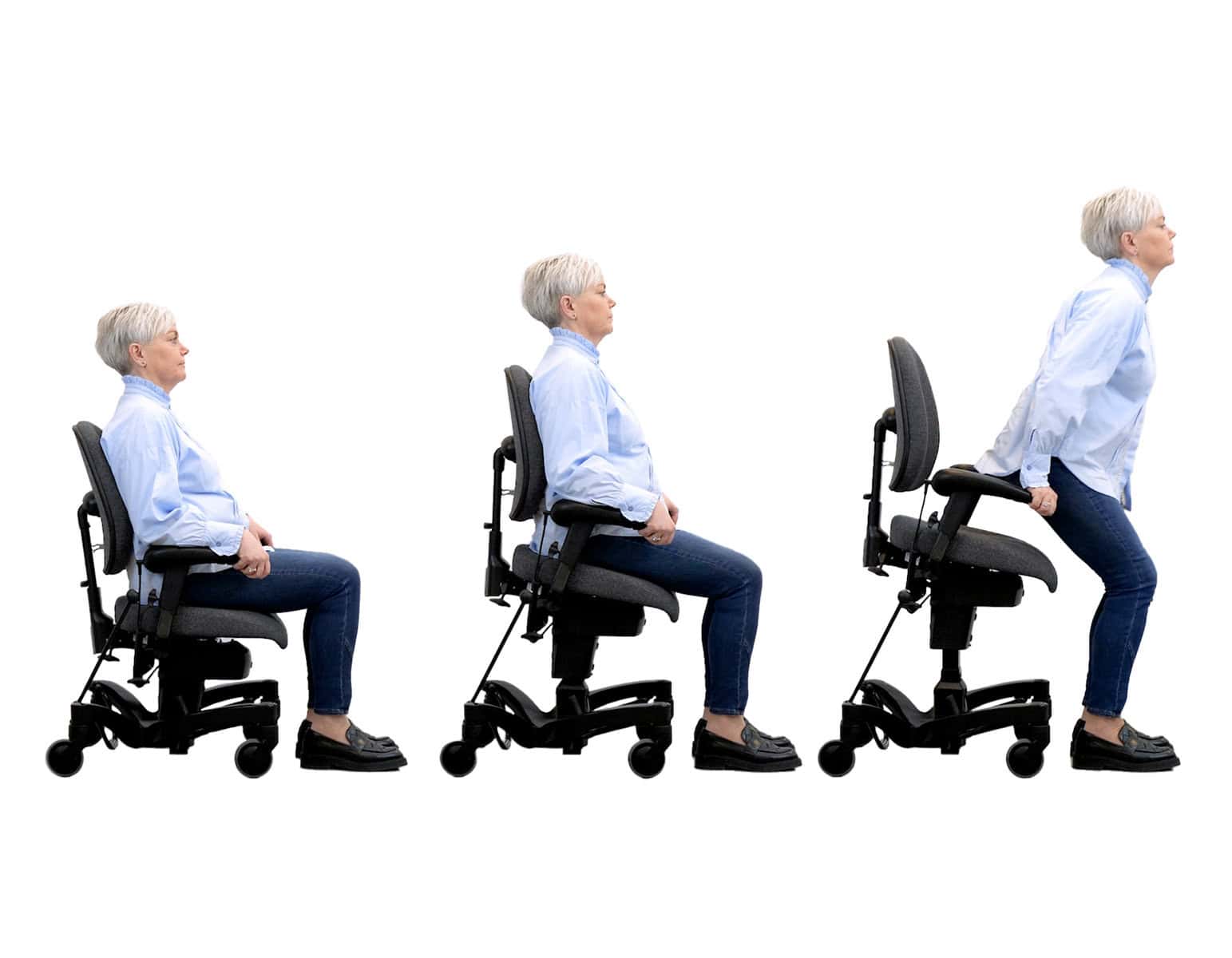
As the challenges of managing daily life in nursing homes become apparent for many seniors, solutions that allow older adults to remain independent in their homes gain importance. Medically approved tools like the VELA Independence Chair represent one such solution, designed to enhance safety and freedom of movement, helping seniors perform daily activities like cooking, dressing, or transferring with ease. These chairs reduce the load on informal caregivers by providing essential support for activities of daily living, offering features like adjustable seat heights and sturdy bases that promote confidence and independence. Newer supportive mobility solutions may incorporate shared user-device control interfaces and ergonomic advances, such as those influenced by smart robotics and AI technology, further minimizing fatigue and promoting ease of movement (4).
Supporting Aging in Place: A Practical Option
Mobility solutions like the VELA Independence Chair provide invaluable support for seniors wishing to stay independent at home. With features such as a central brake system for enhanced safety, adjustable height to ease transitions, and a design that allows movement while seated, this chair addresses common problems like fall risks and energy depletion. This technological aid empowers seniors to engage in day-to-day tasks such as cooking and cleaning more efficiently, thereby delaying the potential need for nursing home care. By valuing dignity, freedom, and safety, VELA Chairs stand as a practical, proven option among several resources supporting seniors’ everyday independence (help for seniors at home). Alongside these options, there is a growing focus on integrating smart environmental controls, personalized care models, and opportunities for active social and community engagement to foster overall well-being and avoid dependency (1; 5).
Additional Resources:
- Juniper Communities, “Senior Living Trends in 2025”
- ThinkBeyondTheChair.org, “The Best Assistive Tech Gadgets in 2025”
- PubMed Central (PMC), Cowan RE et al., “Recent trends in assistive technology for mobility”
- Equal Accessibility LLC, “Innovations In Assistive Technology”
- All Seniors Organization, “Senior Activity Planning and Support Ideas for 2025”
- EveryLife Technologies, “A Guide to Independent Living Skills for Seniors”