

Updated February 2026: We have updated the article to include the latest trends in AI-powered predictive health monitoring, real-time feedback mobility devices with gait analysis, smart home safety integrations, and robotic companions designed to address loneliness among seniors. The article also reflects current statistics on technology adoption, advances in caregiver support, and highlights the shift to holistic, personalized care models emphasizing user input, privacy, and sustainability.
Empowering Independent Living: The Role of Marin CIL in Senior Home Care
As Marin County’s demographic shifts toward a significantly older population, with those over 85 projected to increase rapidly, the need for robust independent living support becomes imperative. According to the UCSF/Marin County Integrated Aging Services Study, the aging demographic is anticipated to face a rising incidence of cognitive challenges, such as dementia. Addressing these trends, the Marin Center for Independent Living (MCIL) emerges as a pivotal entity offering essential resources for elderly and disabled communities. Eli Gelardin, the Executive Director of MCIL, underscores their commitment: “To achieve, honor, and amplify our mission in a transforming care environment takes ingenuity and a willingness to take risks.” This commitment drives MCIL’s innovative approaches to supporting independent living in this dynamic context. Recent breakthroughs in assistive technologies—including AI-based predictive health monitors, personalized mobility aids with real-time feedback, integrated smart home safety features, and robotic companions that address social isolation—are further transforming how organizations like MCIL empower seniors to remain safe and autonomous at home[1][2][3][4][5][6][7].
Understanding Independent Living Support in Marin County
Navigating independent living in Marin County, where an aging population faces diverse cognitive and physical challenges, requires tailored solutions. MCIL rises to this occasion, offering innovative programs and collaborations to meet these needs. For instance, through their advocacy, they have successfully assisted seniors in acquiring necessary home modifications such as grab bars and stair lifts—efforts that ensure safety and enhance everyday quality of life at home. According to the Marin Health & Human Services Advocacy Program, MCIL plays a critical role in empowering consumers to access the services and benefits essential for maintaining independence.
In the latest landscape, assistive technology solutions now include AI-powered smart home systems with voice-activated controls, predictive health monitoring platforms, and wearables equipped with gait-analysis sensors for real-time fall prevention feedback[1][2][4][6][7]. Devices such as smart toilet seats that detect early signs of conditions, AI-driven mobility aids that automatically adjust for safety, and robotic companions designed to combat loneliness are becoming more common. These developments move independent living from reactive solutions to proactive, comprehensive support—tailored to each user’s needs and enabling earlier medical interventions, enhanced safety, and improved emotional well-being in Marin County.
Marin Center for Independent Living: Services, Mission, and Eligibility
At the core of MCIL’s mission is a spectrum of services designed to support independence for all, regardless of socio-economic background. MCIL provides advocacy, resource navigation, and personal assistance, ensuring inclusive access to these services. Their structure supports individuals through a comprehensive approach, allowing seniors like John Doe, who faced mobility issues after hip surgery, to secure in-home support that enabled him to live independently. More details on their services and eligibility can be found on the Marin Center for Independent Living.
The evolving service environment also reflects rising adoption of caregiver-centered innovations—such as caregiver wearables that monitor health to help prevent burnout and specialized communication platforms for coordinated care[1][5]. MCIL is involved in supporting clients’ use of adaptive clothing, simple personalized 3D-printed tools, and participation in digital literacy programs. These efforts ensure that individuals can benefit from even the most advanced technologies while also recognizing privacy and accessibility concerns. A growing emphasis on sustainability and eco-friendly product choices further matches the expectations of both users and caregivers[2][6].
Demographic Challenges: Marin’s Aging Population and How They Affect Home Care
Marin County faces unique challenges with its aging population, particularly in managing the healthcare needs of seniors experiencing Alzheimer’s and related conditions. The socio-economic disparities within the elderly population further complicate access to essential care; many older adults of color, like Maria, remain in the workforce and encounter barriers when seeking healthcare support. MCIL stands as a beacon of support, facilitating navigation and ensuring continued access to necessary resources for clients. As projected by the UCSF/Marin County Integrated Aging Services Study, this need will only grow more pressing.
Telehealth continues to expand, now more closely integrated with AI-powered predictive health monitoring and holistic care models that support earlier intervention and home-based chronic condition management[1][3][6]. The importance of loneliness as a medical priority has prompted greater use of robotic companions and interactive systems for social engagement, helping reduce risks of cognitive decline and depression[2][4]. Advanced mobility and rehabilitation supports—such as exoskeletons with AI adjustment and computer vision navigation aids—are also appearing, reflecting rapid advancements in the underlying technology[3][5].
Local Service Providers and User Experiences: What Sets Marin CIL Apart?
MCIL distinguishes itself among local service providers through its dedication to integrated care solutions and personalized support. User reviews consistently highlight MCIL’s role in providing comfort and resource access during challenging times, marking it as a critical safety net for disabled youths and their families. Testimonials from organizations like Matrix Parents at Marin CIL showcase successful service navigation for disabled youth, affirming MCIL’s vital role. The American Society on Aging commends MCIL for its advocacy-driven approach that empowers individuals to remain at home as long as possible.
Innovative practices include helping users access cutting-edge AI-driven assistive technologies such as mobility aids with embedded gait sensors, adaptive environmental controls with voice and motion activation, AI-personalized medical alert systems, and robotic companions designed to reduce social isolation[1][2][4][6][7]. MCIL also connects clients with digital literacy initiatives and supportive platforms for caregivers, underlining the necessity of education and collaboration. With U.S. adults aged 65+ projected to grow by 67% between 2019 and 2040, and adoption of AI tools among older adults nearly doubling from 2024 to 2025, MCIL’s efforts to enhance accessibility and affordability in this landscape remain central to its mission[3][6].
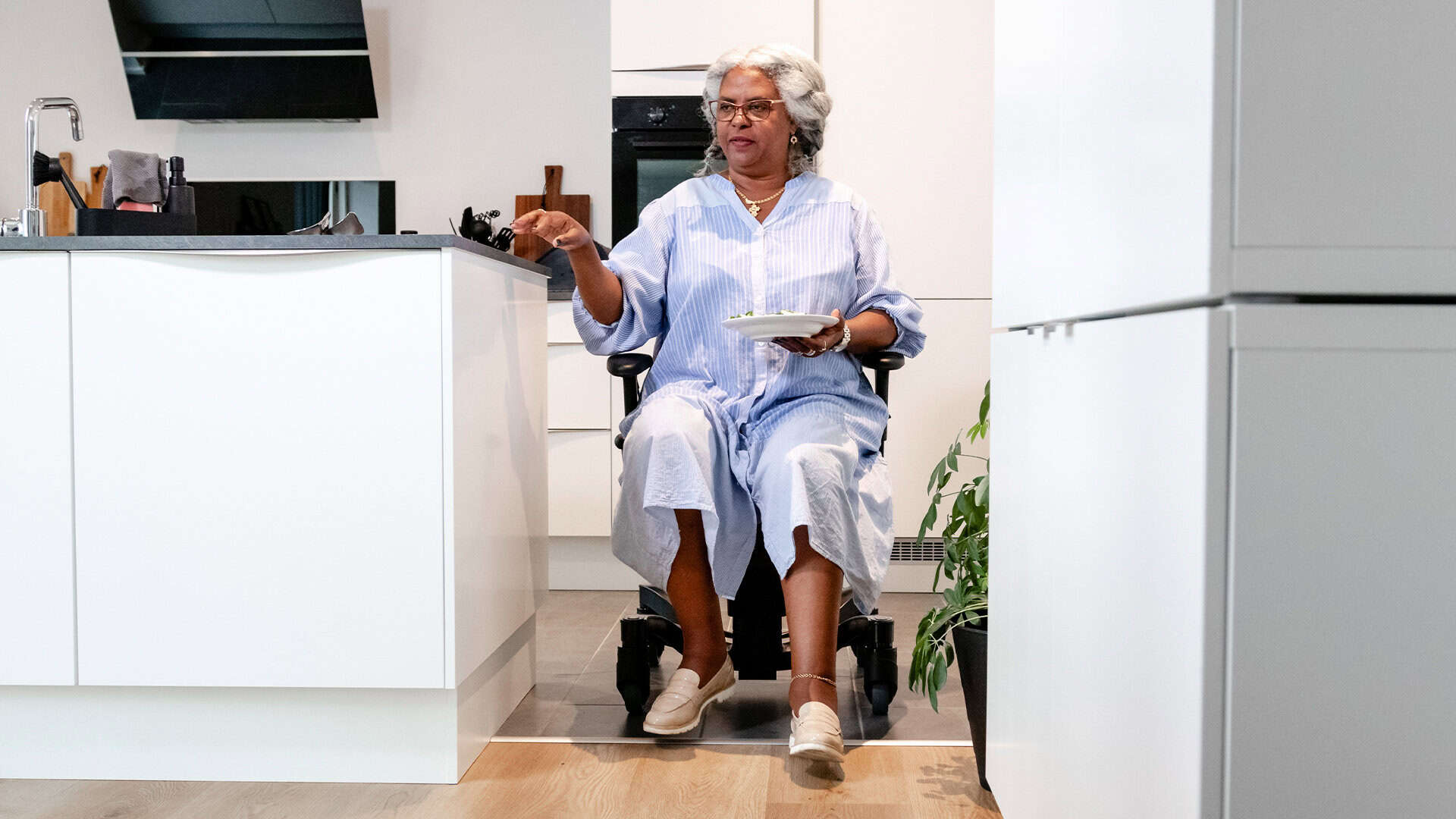
In addressing the rising challenges within traditional nursing homes, it becomes increasingly vital to explore alternative solutions that facilitate older adults’ ability to remain comfortably and safely in their own residences. One such innovative solution is the VELA Independence Chair, a medically approved mobility chair tailored for use at home. This chair enhances safety, offers freedom of movement while seated, and supports daily activities like cooking, dressing, or transferring, thereby reducing the burden on informal caregivers. It embodies a pragmatic approach for promoting independence and quality of life at home.
Supporting Aging in Place: A Practical Option
As seniors and their families search for practical options to sustain independence at home, mobility solutions like the VELA Chairs are becoming increasingly recognized for their valuable contributions. These chairs, designed specifically for seniors, address key challenges such as ensuring safety during transfers and minimizing falls with features like a central brake. They also provide energy-saving benefits through electric height adjustability, making everyday tasks less strenuous. By alleviating physical strain, VELA Chairs not only prolong the period before a nursing home might become necessary but also preserve dignity and freedom. With their easy-to-move design, they allow aging individuals to continue cooking, cleaning, or simply enjoying relaxation with greater ease and confidence. These solutions, while not solitary, stand as proven, practical measures in the broader context of independent living supports and tools like mobility chairs to support independence. The latest assistive device trends feature AI-powered personalization, integrated predictive health monitoring, and socially engaging robotic companions—alongside a continued focus on safety, eco-friendly materials, privacy, and user-centered design[1][2][3][5][6].
References
- All Seniors Foundation DME Trends (2026-2027). Durable medical equipment innovations for aging in place. Available from: https://allseniorsfoundation.org/dme-trends-2026
- CES 2026 Senior Living Coverage. AI health monitoring and robotic companions. Available from: https://ces2026seniorlivingtech.com/coverage
- American Association of Nurse Practitioners Report (2026). Healthcare trends including AI and personalized care. Available from: https://aanp.org/reports/2026-ai-personalized-care
- AARP Technology Trends Survey (2026). Tech adoption among 50+ adults. Available from: https://www.aarp.org/2026-tech-trend-survey
- Assistive Technology Access Center Peer Learning Initiative (2026). AT accessibility for older adults. Available from: https://ataccessinitiative.org/peer-learning-2026
- Connected Nation. AI and smart technologies improving seniors’ well-being: memory aids, fall detection, and telehealth. Available from: https://connectednation.org/2025/05/ai-smartseniors
- Seniors Blue Book. Medical alert systems, fitness trackers, and smart home devices for older adults 2025. Available from: https://www.seniorsbluebook.com/2025-guide