

Updated January 2026: We have updated the article with the latest 2026 trends in senior living technology, including smart mobility aids with fall detection and GPS, AI-powered health monitoring wearables, voice-activated assistive devices, robotic exoskeletons for mobility support, advanced medication management, and telehealth integration for coordinated home care.
Understanding independent living options in the Midwest region
Amidst the bustling fields and serene landscapes of the Midwest, independent living services offer seniors the opportunity to age with dignity and autonomy. These services have evolved to provide customized solutions that align with the varied lifestyles and preferences of older adults. According to SeniorLiving.org, around 70% of older adults will require some form of long-term care, underscoring the importance of accessible services.
Independent living typically offers a lifestyle centered on autonomy with community aspects that are supportive, unlike assisted living, which includes more comprehensive personal care and medical services. A senior in an independent living community may enjoy social activities, meal plans, and housekeeping services while residing in a private apartment or home.
Consider Grace, a Michigan native, who recently transitioned to an independent living community after her children moved out of state. She enjoys communal meals and social outings, finding a rejuvenating sense of community without sacrificing her independence. Grace has found that staying active in social clubs and participating in volunteer activities helps her maintain a fulfilling lifestyle.
Cost comparison: independent living across Midwestern states
The financial landscape for independent living services varies significantly across the Midwest. According to A Place for Mom’s 2025 Cost Data, the national median cost for such services is $3,145 per month. More specifically, state median costs in the Midwest offer a range: $2,798 in Ohio, $2,319 in Wisconsin, with costs trending upward in Michigan, especially in urban areas like Detroit.
Seniors like Ben, residing in Ohio, manage living expenses by leveraging a combination of savings and veteran benefits. His story illustrates the importance of exploring diverse financial resources and understanding the specific socio-economic factors that impact regional costs. Ben recommends seniors to thoroughly investigate benefits like Medicaid waivers or veteran-specific financial supports, which can substantially reduce out-of-pocket expenses.
Indiana and Illinois both reflect the broader Midwest trend of slowly increasing costs. Residents are meeting these challenges with innovative approaches to affordability, such as shared accommodation setups or utilizing Medicaid waivers for specific supportive services.
Balancing independence and support: service models in the Midwest
Midwest communities are pioneering service models that prioritize wellness and independence. According to Life Care Services Network, wellness-focused designs that incorporate personalized services significantly enhance residents’ physical and mental well-being. Residents benefit from amenities promoting fitness, nutrition, and social interaction.
Sandy, a resident in a Wisconsin community, praises the personalized care plans that allow her to maintain her preferred lifestyle. Testimonials from residents underscore the value of tailored service models in enriching daily experiences. Sandy has particularly appreciated yoga classes and educational workshops that foster both physical and mental agility.
Technology integration in modern Midwest senior communities
In today’s rapidly evolving technological era, senior communities in the Midwest incorporate cutting-edge innovations to enhance life quality. The integration of technology supports autonomy while addressing safety concerns, a critical balance noted by CliftonLarsonAllen.
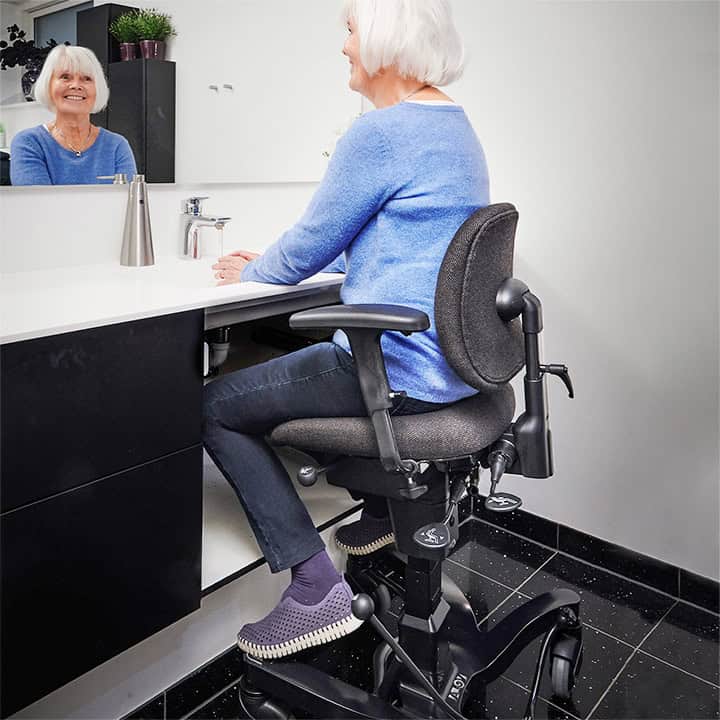
Transitioning into independent living from a more traditional nursing home environment can pose challenges, particularly concerning the desire to maintain as much independence as possible. Seniors looking to stay within their own homes require tools that offer both freedom and security. One such tool is the VELA Independence Chair, a medically approved mobility chair designed for use at home. It enhances safety and freedom of movement while seated and supports daily activities like cooking, dressing, or transferring, all while reducing the load on informal caregivers.
Technologies such as voice-assisted devices, smart home systems, and wearable health monitors collectively contribute to a safer and more connected living environment. The landscape in 2026 features significant advancements, including smart mobility aids equipped with fall detection, GPS tracking, and emergency alert systems, as well as AI-powered health monitoring wearables that track vital signs, blood oxygen, and blood glucose levels. Voice-activated digital assistants are increasingly integrated into medical and safety devices, making them easier to use for seniors with diverse needs. Robotic exoskeletons and powered gait trainers are becoming more accessible and widely adopted to enhance mobility, while smart medication management systems reduce adherence problems. Telehealth platforms are now seamlessly integrated into home-based care, supporting coordinated health management and reducing unnecessary hospital visits. Connected Nation, Healthcare (Basel), LetsEnvision.com, Silverts Giving Care, The Good Life SV, Seniors Blue Book, H2H Healthcare Blog, Senior Housing News, AgingTechNews.com.
Wearable health devices now provide real-time health monitoring, transmitting essential health data to caregivers or health professionals and enabling prompt intervention when necessary. There is an expanded use of remote health monitoring and telehealth services, helping seniors access medical care and rehabilitation without leaving home—greatly reducing unnecessary hospital visits Healthcare (Basel). Innovations in rehabilitation now utilize immersive brain training technology and cognitive feedback systems to help preserve brain health and cognitive function for older adults The Good Life SV.
The adoption of new technology is increasingly shaped by co-creation and participatory design, ensuring that developers work directly with seniors and caregivers to increase usability and sustained use. These collaborative approaches have become foundational to successful assistive device deployment across the Midwest. Recent guidelines and regulations also stress the need for digital literacy programs for seniors and the ethical responsible use of AI, addressing privacy, inclusiveness, and fairness in technology application Healthcare (Basel).
This trend is expanding, with a projected market growth making such advanced services more widespread, ensuring residents like Kirk feel secure and connected without sacrificing their independence. Functional gains have been documented in clinical trials of AI-driven rehabilitation systems, demonstrating the value of these innovations in maintaining independence and well-being.
How mobility solutions like VELA make a difference
The VELA Independence Chair profoundly impacts seniors who wish to age in place. Its features address the common challenges highlighted earlier, such as safety and energy efficiency. With its central brake system for added security, electric height adjustability, and ease of movement while seated, the VELA chair helps delay the need for nursing home placement. Imagine the difference: a senior can cook and clean independently, lessening dependence on family or professional caregivers, thereby preserving dignity and autonomy. Additionally, these chairs cater to day-to-day tasks, transforming everyday activities into manageable experiences. It’s important to note that while VELA chairs are not the sole solution, they present a practical option among various mobility aids available to support seniors’ independence and quality of life at home.