

Updated January 2026: We have updated the article with the latest trends in assistive technology, including AI-powered autonomous wheelchair systems, adaptive smart wheelchair enhancements, accessible transportation infrastructure, wearable assistive devices such as AI-enabled smart glasses, and the introduction of new motorized mobility aids. The article now highlights these advanced solutions and their alignment with the principles of independent living for people with reduced mobility.
MorningStar Independent Living: A Comprehensive Guide to Independence and Community
As the demand for senior living solutions rises, MorningStar Independent Living stands out with its unique approach to serving active seniors seeking independence alongside vibrant community engagement. According to the Centers for Disease Control and Prevention, the U.S. population aged 65 and older is projected to nearly double by 2060, emphasizing the growing need for independent living communities that balance autonomy with community engagement.
Understanding Independent Living: A Lifestyle Choice for Active Seniors
Independent living communities cater to seniors who are largely autonomous and do not require intensive medical care but thrive in environments fostering social interaction and personal independence. As noted by the National Institute on Aging, seniors who can manage daily tasks with minimal assistance benefit significantly from such communities. A resident at a MorningStar community described how their quality of life improved due to the social opportunities and autonomy offered, illustrating the value of these environments.
The Benefits of MorningStar Independent Living Communities
MorningStar Independent Living Communities are renowned for their “EventFULL Living” series, which includes a broad range of activities aimed at fostering both social and personal growth. The effectiveness of these offerings is reflected in numerous positive user reviews. One resident testimonial emphasized the impact of MorningStar’s Activity Director, whose tailored programs enriched daily life. According to the Journal of the American Medical Directors Association, amenities, autonomy, and social interaction significantly contribute to improved aging-in-place outcomes, a testament to MorningStar’s successful model.
Enhancing Safety and Independence: Modern Mobility Devices
Recent advancements in assistive technology continue to transform independent living. In 2026, AI-powered mobility solutions have become more sophisticated, with advanced autonomous wheelchair systems now allowing users to program destinations using lidar sensors. These systems enable independent navigation without manual input, offering significant autonomy to users with mobility limitations.CES, 2026
Smart wheelchair enhancements have also evolved, with adaptive technologies such as LUCI adding sensor arrays to existing power wheelchairs to monitor seat pressure and automatically adjust positioning for comfort and pressure relief.CES, 2026 This means users no longer need to replace their entire wheelchair to benefit from new safety features—these add-ons can be retrofitted to standard models.
Accessible transportation infrastructure is advancing as well, with solutions like the MaaS-Bridge platform creating AI-based accessible connection points between autonomous mobility services and pedestrian paths. This development directly addresses the needs of wheelchair users, seniors, and those with visual impairments, making community participation and transportation more inclusive.CES, 2026
Wearable assistive technologies continue to improve independence and safety. Devices such as iSee assistive glasses now combine AI and environmental sensors to provide real-time audio feedback, empowering blind and low-vision users to navigate unfamiliar environments without reliance on guide dogs or canes.CES, 2026
Emerging mobility aids like the WheelMove quick-connect attachment are set to launch in North America and Europe, providing a motorized boost for manual wheelchairs. Reaching up to 15.53 miles per charge without permanent modifications, these innovations can dramatically expand the mobility range for many users.CES, 2026
Innovations continue to impact related domains. Robotic self-feeding devices support independence for those with upper extremity limitations. AI-powered assistants are increasingly integrated into devices, offering real-time, intuitive support for users with various disabilities, including visual impairments. Wearables and smart home integrations provide communication support, safety monitoring, and greater control over daily routines, contributing to higher autonomy and participation.CES, 2026
Design trends emphasize user-centered approaches, involving people with disabilities in the complete development process to create accessible and personalized solutions. Augmentative and alternative communication systems, sip-and-puff controllers, and voice-activated smart home technologies promote further independence.CES, 2026
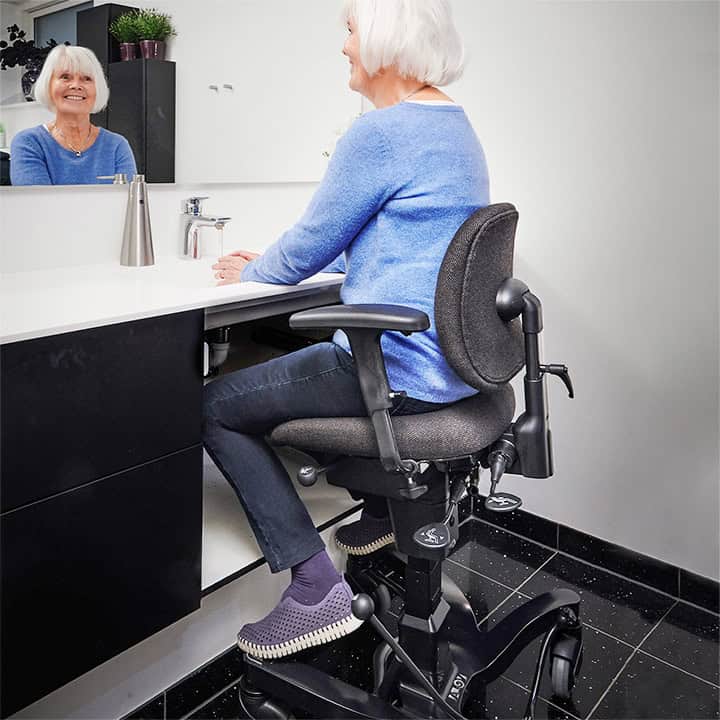
As seniors consider alternatives to traditional nursing homes, mobility aids like the VELA chair remain a fundamental component. Medically approved and designed for home use, the VELA chair supports daily activities, from cooking and dressing to transferring, through adjustable heights and stable locking casters to prevent falls, all contributing to enhanced safety and user autonomy.
Financial Considerations: Costs, Coverage, and Payment Options
Financial planning is crucial for prospective MorningStar residents. Monthly costs generally range from $2,500 to $4,500, depending on location and included services. These costs typically encompass utilities, meals, housekeeping, and activities. However, medical care expenses are separate, with MorningStar not accepting Medicaid. As Medicare.gov outlines, Medicare does not cover long-term custodial care, leading most residents to rely on private-pay models. Funding programs and charitable grants have increasingly adapted to support access to modern assistive technologies, offering more flexibility for individuals seeking advanced support tools for independent living. A retiree shared their budgeting strategies, emphasizing thorough financial planning to ensure a smooth transition to independent living. CES, 2026
Supporting Aging in Place: A Practical Option
In the sphere of independent living, mobility solutions such as the VELA Chair serve as tangible aids to prolong independence in familiar home settings. Vital features like a central brake for added fall prevention, electric height adjustability, and maneuverability underscore the chair’s role in enhancing safety and comfort. By facilitating activities like cooking or relaxing, these chairs allow seniors to conserve energy and maintain dignity and autonomy in their daily lives. The inclusion of user-friendly controls and integration with smart home systems, now common in the latest assistive technology, further supports independent living by tailoring devices to individual needs. CES, 2026
The adoption of these advanced mobility and assistive technologies may defer the necessity for nursing home care, providing a balance of safety and autonomy valued by seniors and their caregivers. Updated best practices encourage regular assessment and customization of assistive devices to ensure optimal integration into daily routines. The increasing combination of AI-powered wearables and personalized rehabilitation further supports recovery and daily functioning, with accessible transportation and smart environments promoting broader community participation.CES, 2026