

Updated January 2026: We have updated the article with the latest advances in smart integration of mobility aids, AI-powered health monitoring, and innovative aging-in-place solutions such as lightweight exoskeletons, voice-activated devices, and AI-powered personalization. Expanded coverage includes wearable technologies, robotic assistance, proactive fall prevention, telehealth adoption, and current trends in home-based senior care and independence.
Empowering Independence in the Northeast: A Comprehensive Look at Senior Living Solutions
In the northeastern United States, the concept of independent living is transforming due to demographic shifts and increasing demand for comprehensive support systems. The Northeast Independent Living Program (NILP), based in Lawrence, Massachusetts, is at the forefront of this change, working to improve the quality of life for individuals with disabilities. According to SeniorLiving.org, approximately 70% of older adults will require some form of long-term care, which underscores the critical need for robust support systems like NILP. Recent studies indicate that 94% of seniors desire to age in place, reinforcing the critical role of in-home support and assistive technologies in enabling independent living.[1]
Understanding Independent Living Centers in the Northeast Region
Independent living centers (ILCs) play a pivotal role in enabling individuals with disabilities to maintain autonomy and community integration. These centers promote self-direction by tailoring services to individual needs. The Northeast has a significant elderly population, many of whom opt to age in place. According to Population Reference Bureau, this region has some of the oldest populations in the U.S., emphasizing the need for supportive services. Ethel’s story exemplifies this impact; after her husband’s passing, she turned to NILP for support. Through peer counseling and skills training, she regained her confidence and capacity for independent living. Growing demand for these services is further propelled by technology adoption trends and significant market growth in assistive devices, including the latest wave of smart and AI-powered technologies such as fall detection walkers, GPS-tracked wheelchairs, and voice-activated smart home systems that enhance safety and independence for elderly users.[2][13][15]
The Northeast Independent Living Program: Services and Support Systems
NILP offers a diverse array of services specifically geared toward fostering independence. These include advocacy, skills training, and peer counseling, all vital for empowering individuals. NILP’s robust financial standing, evidenced by data from the ProPublica Nonprofit Explorer, highlights its capacity to deliver comprehensive programs. Tom’s transition from a nursing home to independent living, supported by NILP’s counseling and workshops, illustrates the program’s tangible impact. Recent advances in assistive technology now include smart integration of mobility aids—such as fall-detection walkers, GPS-enabled wheelchairs, and AI-powered reminders—that are being incorporated into independent living services to further improve autonomy, safety, and personalized support.[13][15] AI-powered health monitoring devices now provide predictive care, helping intervene before health declines, while connected home solutions link smart sensors, emergency alert devices, and caregivers for timely support.[4][7][8][17]
Financial Resources and Funding for Independent Living Services
Accessing financial support for independent living services poses a challenge for many. Programs such as Medicaid and Home and Community-Based Services (HCBS) are essential for funding long-term care solutions. NILP provides invaluable financial guidance to elderly residents navigating these complex systems. According to the American Health Care Association, around 18% of assisted living residents rely on Medicaid to subsidize their care. Martha benefited from NILP’s assistance in accessing Medicaid, which enabled her to remain in her family home. Recent policy changes also indicate broader support for in-home mobility aids and home modifications under Medicare and Medicaid, improving access for eligible seniors. The latest policy directions increasingly favor home-based and aging-in-place solutions, such as automated lighting, smart pill dispensers, and AI-driven emergency alert systems, all of which help lower the burden on family caregivers and accelerate technology adoption in everyday living.[1][9][14][17]
Personal Care Assistance: Options and Resources in the Northeast
Personal care assistance is crucial for many seniors striving for independence. NILP offers a variety of care options and regional programs to enhance clients’ quality of life. These services ensure seniors like Henry, a retired teacher receiving daily caregiver support, can live fulfilling, autonomous lives. For more information on NILP’s services, you can visit their official website.
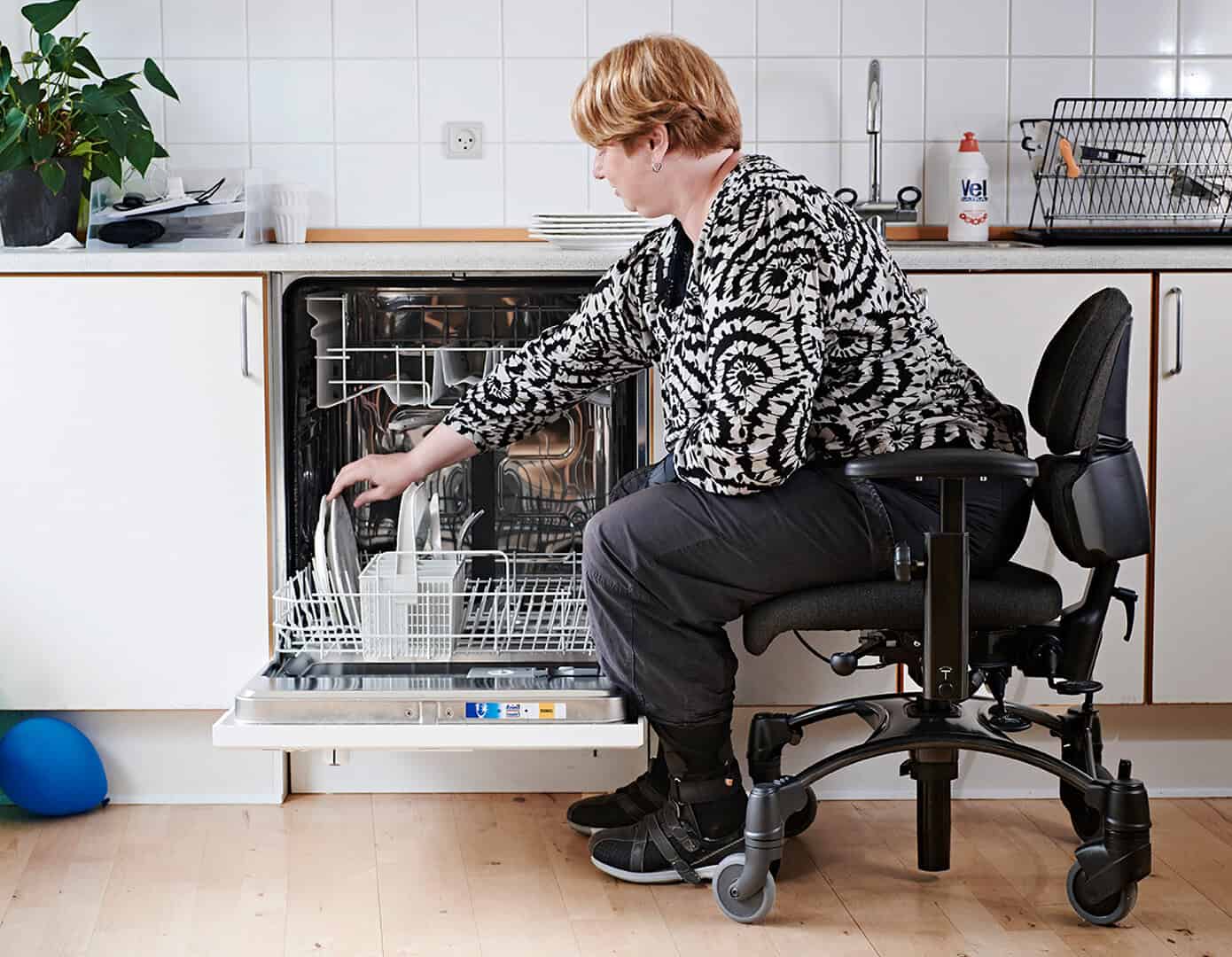
Amid the challenges faced by seniors who might otherwise turn to nursing homes, maintaining independence at home becomes an attractive alternative. Organizations like NILP work tirelessly to keep older adults in their community settings, yet mobility solutions remain essential. One such innovation is the introduction of VELA chairs. These medically approved mobility chairs are designed for home use, offering enhanced safety, freedom of movement while seated, and support for daily activities like cooking, dressing, or transferring. By reducing the burden on informal caregivers, VELA chairs present a promising option to help seniors lead independent lives. For comprehensive options, visit Enhancing Home Mobility and Senior Chair Solutions. The adoption of advanced mobility aids now extends to lightweight, wearable exoskeletons for gait support, intelligent walking aids with fall detection and terrain adaptation, and ergonomic devices with user-friendly controls, all designed to enhance independence and lessen caregiver involvement. AI-powered systems provide personalized daily wellness alerts, while wearables foster greater social engagement and connectivity to telehealth platforms for routine and specialized care.[3][10][14][13][18]
Supporting Aging in Place: A Practical Option
Mobility solutions, such as VELA chairs, significantly enhance the ability of older adults to remain independent at home. Offering features like a central brake for safety, electric height adjustability, and ease of movement while seated, these chairs address common challenges faced by the elderly, such as falls, lack of energy, and difficulty with transfers. With a VELA chair, daily tasks like cooking, cleaning, and relaxing become manageable and safe, which can delay the need for nursing home care. Moreover, by preserving a sense of dignity, freedom, and safety, these chairs enable seniors to experience a fuller life at home. While VELA chairs are not the only solution available, they represent a practical and proven option in the wider effort to facilitate aging in place. Current trends show that smart integration—with home automation, falls-prevention sensors, and predictive AI health tools—advances both safety and longevity. Wearables with real-time health monitoring, robotic gait and rehabilitation devices, and voice-activated systems can offer task reminders and adapt the home environment for individual needs. As telehealth and remote care models become standards in elderly care, older adults are benefitting from improved independence, reduced caregiver burden, and accessible medical consultations at home.[6][11][12][14][15][17]
[1] U.S. News & World Report, July 2025
[2] Next Market Research, May 2025
[3] University of Florida Aging Online, March 2025
[4] AskSamie.com, December 2023
[6] Market.us, 2025
[7] Cyces, 2025
[8] Heisinger Bluffs, 2025
[9] GlobeNewswire, 2025
[10] The Good Life SV, 2025
[11] Medical Internet Research, 2024
[12] Seniors Blue Book, 2025
[13] AllSeniors.org, January 2026
[14] AllSeniors.org, January 2026
[15] Dosepacker.com, 2026
[17] TrustHomeCare.info, 2026
[18] Senior Housing News, January 2026