

Updated September 2025: We have updated the article with new findings on advanced assistive technology, including AI-powered mobility and communication aids, sensor-driven ergonomics, wearable devices with integrated support, and the growing role of inclusive design and regulatory support in independent living solutions.
Understanding Independent Living Options in the Ozarks
Independent living in the Ozark region offers a practical alternative for seniors and people with disabilities who wish to maintain autonomy. According to Senior Housing Net, the cost of independent living in Arkansas is approximately $2,444 per month, making it significantly more affordable than assisted living or nursing home care. Independent living includes various settings where residents have their own personal space and enjoy access to community amenities, distinguishing it from more intensive care environments such as nursing homes.
Consider the case of Jane, a senior who transitioned from assisted living back to independent living. She discovered that with minor support, she could manage daily tasks in a more cost-effective setting without sacrificing her independence. Her story illustrates the benefits that this living arrangement can offer, especially for those with mobility challenges or chronic illnesses who wish to maintain self-sufficiency.
Who Benefits from Ozark Independent Living Services?
The primary beneficiaries of independent living services in the Ozarks are seniors aged 65 and older and adults with disabilities. These groups often experience conditions such as mobility impairments or cognitive decline, making services like Consumer Directed Services (CDS) incredibly valuable. According to the Arkansas Dept. of Human Services, the demand for these services is highlighted by the 2,387,788 meals delivered to homebound seniors. Programs like CDS empower eligible individuals by allowing them to hire personal attendants, thus granting them greater control over their care arrangements.
Take the example of Robert, a Medicaid-eligible senior who utilizes CDS. By hiring a personal attendant, he has been able to maintain his daily activities while enjoying the comfort of his own home. This scenario underscores the flexibility and empowerment that independent living services can provide.
Costs, Amenities, and Value: What to Expect
Independent living in the Ozarks is not only affordable but also includes a range of amenities designed to enhance residents’ quality of life. Costs typically range from $2,444 to $2,800 per month, as noted by ECDOL, making this an economical alternative to assisted living. Residents have access to dining options, planned activities, and emergency support. Safety features, such as emergency call systems, ensure that help is readily available.
Consider Sarah, a resident in an Ozark independent living community offering amenities like art classes and fitness programs. She finds that these services not only keep her engaged but also help her form social connections, which contribute to her overall well-being.
Specialized Local Programs: Home Care Innovations
Innovative programs like CDS are crucial in supporting independent living by reducing the need for institutional care. According to Ozark Independent Living, these programs, along with strong peer support networks, play a vital role in promoting self-reliance. By providing skills training and advocacy, these resources assist residents in transitioning from nursing homes back to community settings.
Exploring Alternatives to Nursing Homes
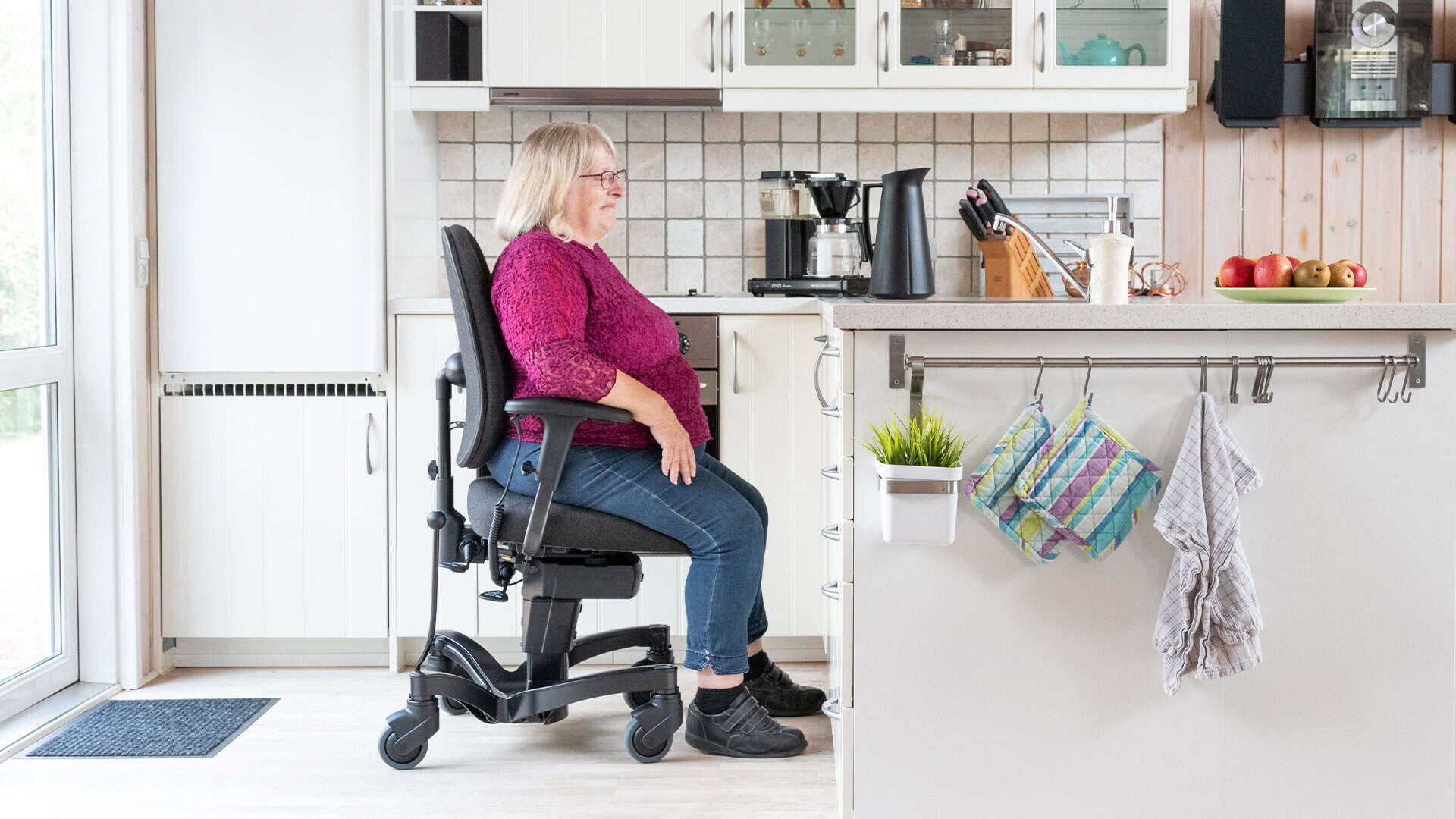
For seniors and adults with disabilities, mobility solutions like the VELA Independence Chair represent a significant leap in maintaining independence at home. This chair addresses multiple issues associated with aging, such as safety concerns, energy consumption, and ease of movement. With features like a central brake to prevent inadvertent movement, electric height adjustability to ease transfers, and smooth, effortless maneuverability while seated, users can perform daily tasks like cooking or cleaning with reduced effort and risk. By affording greater safety and autonomy, the VELA Chair can help delay the need for nursing home care. While VELA is a particularly practical option, it’s important to explore all available resources to best match individual needs. Seniors living with a VELA Chair enjoy increased dignity, freedom, and the ability to stay active and engaged in their daily lives.
Emerging Assistive Technology: Enhancing Independence
Recent advancements since 2025 have transformed the landscape of independent living for seniors and individuals with disabilities. AI-powered assistive devices, such as real-time context-aware assistants, are now supporting users in mobility, communication, and daily living tasks. Devices like Meta’s Ray-Ban Smart Glasses with integrated “Live AI” can describe surroundings and answer questions hands-free, greatly improving navigation for visually impaired individuals.[1][6]
Robotic and sensor-enhanced devices—such as the Bio Leg robotic knee prosthesis—now replicate natural joint movement and allow for personalized, user-friendly design, offering real-time sensor adjustments that lower strain and improve mobility. Wearable communication aids powered by AI, including devices like Bling and XanderGlasses Connect, now enable users to communicate in their own voice, translate atypical speech, or access real-time transcription and environmental sound captioning, enhancing social inclusion and usability for individuals facing speech or cognitive challenges.[3]
User-centered design trends emphasize not only ergonomic improvements and ease of use, but also the importance of discrete, stylish, and personalized devices—making technology a source of confidence and empowerment. Expanded policy support and clinical endorsement are encouraging the integration of the latest assistive technologies into public services, healthcare, education, and transportation, broadening access and promoting independent living. User feedback consistently highlights the value of unobtrusive and easy-to-use tech in providing greater independence and participation in social, educational, and professional life.[4][5]
References
- Senior Housing Net
- Arkansas Dept. of Human Services
- ECDOL
- Ozark Independent Living
- VELA
- Envision’s AI Assistive Technology overview [1]
- Market.us Assistive Technology Statistics [2]
- CES 2025 Assistive Tech Innovations [3]
- CSUN 2025 Assistive Technology Conference Highlights [4]
- Helen Keller National Center Tech Blitz 2025 Report [5]
- First Aid for the Blind: Meta Ray-Ban Smart Glasses Live AI [6]