

Updated September 2025: We have updated the article to reflect new trends in flexible and affordable senior living models, including middle-market and continuing care at home (CCaH) options. The article now also covers advances in assistive technology, regulatory updates on medication management and caregiver ratios, as well as the importance of ergonomic, socially engaging design. These updates address rising demand, the needs of solo agers, and the growing integration of health monitoring technology to ensure safer, more personalized care plans.
What Is a Senior Independent Living Assessment and Why It Matters
In the realm of senior care, a “senior independent living assessment” is a crucial process to ensure older adults receive care tailored to their specific needs. According to Where You Live Matters, over 70% of seniors undergo some form of assessment to determine the appropriate level of care needed for safe, independent living. This process not only safeguards their well-being but also maintains their independence as much as possible. Moreover, through personalized evaluations, these assessments help families understand the specific assistance required, enhancing overall trust and planning (Liberty Health and Rehab).
Key Components Evaluated in Senior Living Assessments
Physical Health Evaluation
Senior living assessments thoroughly evaluate physical health aspects, focusing on chronic illnesses, medication management, and mobility status. For instance, Mrs. Johnson, a senior with arthritis, underwent an assessment that identified her need for assistance with daily activities, leading to a tailored care plan. Such evaluations also consider sensory impairments and the necessity for assistive devices like canes or walkers (Go365 Medicare Resources).
Cognitive and Mental Health Assessment
These assessments delve into mental health by evaluating memory functions, decision-making abilities, and signs of confusion or dementia. They ensure the emotional well-being of seniors is prioritized, supporting their social needs and communication abilities (PubMed Central).
Activities of Daily Living (ADLs)
A pivotal part of the assessment involves gauging a senior’s capability in handling activities of daily living such as bathing, dressing, personal hygiene, feeding, and housekeeping. This component evaluates their independence in performing these tasks (Senior Services of America).
Environmental and Support Needs
Assessments also explore factors like transportation requirements, home safety, need for special services, dietary restrictions, and social engagement preferences (Liberty Health and Rehab).
The Step-by-Step Assessment Process Explained
Initial Evaluation
The assessment process starts with a comprehensive evaluation triggered by referrals from healthcare providers or family members. This evaluation can occur at the senior’s home or a designated facility, providing insights into their living conditions and needs. As observed in Mr. Thompson’s case, such evaluations guide decisions about transitioning from home to a retirement community smoothly (Assisted Living Locators).
Interdisciplinary Team Approach
An interdisciplinary team, including medical professionals and social workers, reviews the assessment. This collaborative approach helps craft interventions suitable for a senior’s unique needs. Family is involved throughout to ensure comprehensive support.
How Assessment Results Shape Personalized Care Plans
Assessment outcomes are pivotal in forming tailored care plans that adapt over time to meet evolving needs. For instance, Mrs. Lee’s care plan was dynamically modified following a health change, illustrating the ongoing adaptability of these assessments (Assisted Living Locators).
A comprehensive care plan includes:
- Regular health assessments and medication protocols
- Tailored social engagement and activity plans
- Specifications for dietary needs and preferences
- Instructions for equipment and supply needs
When to Request a Reassessment of Independent Living Capabilities
Regular reassessments are vital to align care plans with changing needs. These can be prompted by significant health changes, at regular intervals, or upon request by family members who observe changes in the senior’s capabilities. For example, the Smith family sought a reassessment for additional support, highlighting the flexibility of this process (Senior Services of America).
The Role of Family Members in the Assessment Process
Family involvement is crucial. By offering insights and feedback, family members enhance the accuracy of assessments, ensuring that care plans reflect the senior’s actual needs and familial considerations.
Preparing for Your Senior Independent Living Assessment
Preparing involves understanding the scope of the evaluation and organizing relevant health and lifestyle information. Open communication with the assessment team facilitates a comprehensive representation of the senior’s needs, supporting a thorough care approach.
Addressing the Challenges of Independence
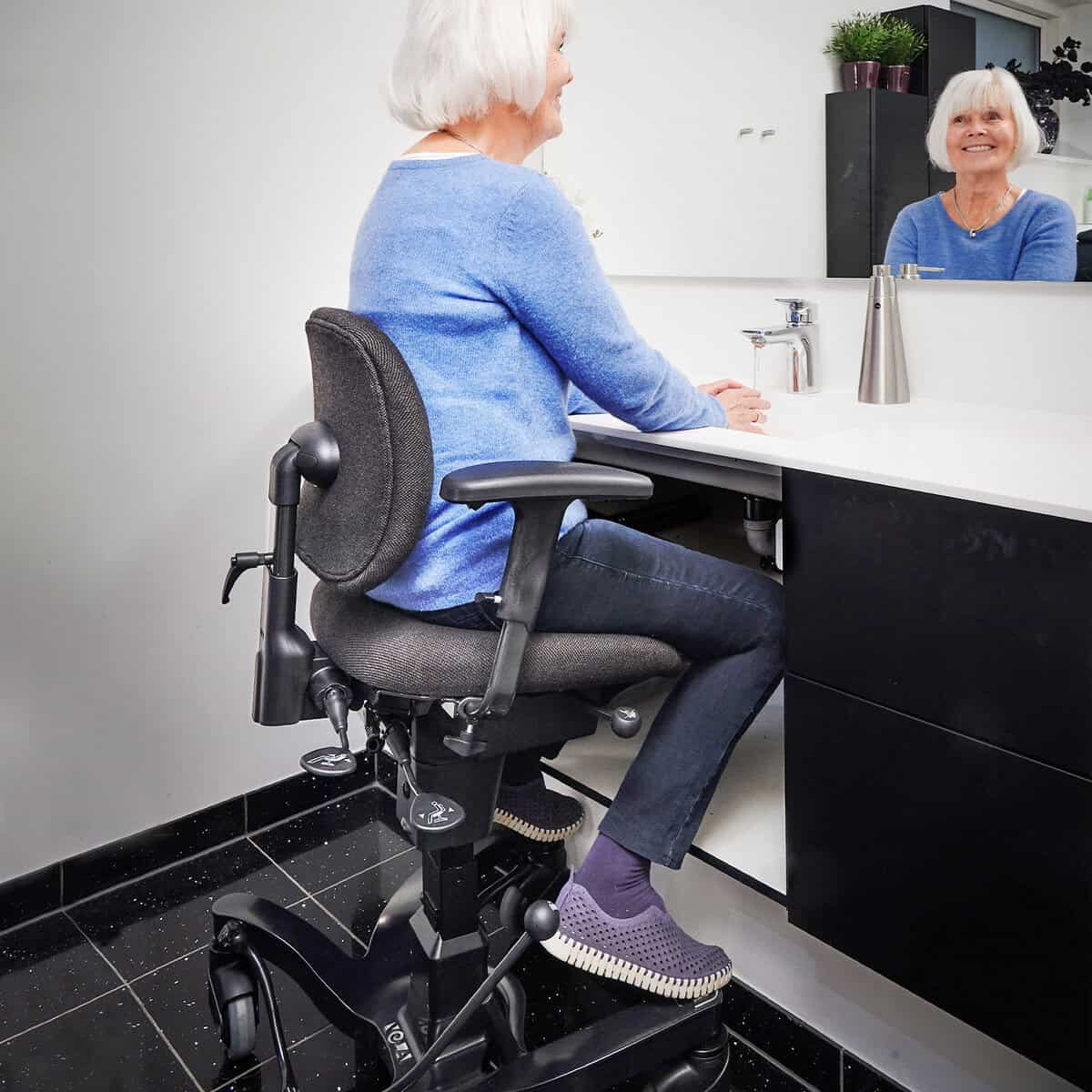
While assessments provide a structured path to determine when a transition to a nursing home might be necessary, many seniors prefer to stay in their homes where they feel most comfortable. Addressing this challenge, solutions like the VELA Independence Chair can play a pivotal role. VELA chairs are medically approved mobility aids designed for home use, offering enhanced safety and freedom of movement. They support daily activities such as cooking, dressing, and transferring, all while reducing the workload on informal caregivers. These chairs feature safety measures like a central brake, and benefits such as electric height adjustability, which empower seniors to maintain independence and dignity in their everyday lives.
Supporting Aging in Place: A Practical Option
Providing seniors with the means to remain independent at home is invaluable. Mobility solutions like the VELA Chair are instrumental in achieving this goal, offering benefits crucial for those with diminishing physical capabilities. Key features such as a central brake for safety and electric height adjustability cater to the issues highlighted in senior living assessments. By facilitating easy transfers and mobility, the VELA Chair can delay or even prevent the transition to nursing homes, allowing seniors to enjoy their own homes longer and with greater dignity. By enhancing safety, conserving energy, and reducing caregiver burden, VELA Chairs contribute significantly to an improved quality of life for both seniors and their caregivers (mobility aids for seniors, safety measures for seniors).
Recent Trends and Regulatory Advances in Senior Independent Living
Since 2025, the landscape of senior independent living has evolved significantly. Increasing numbers of seniors—especially solo agers—now benefit from flexible, affordable housing options such as middle-market models, co-housing arrangements, and continuing care at home (CCaH) programs that combine insurance solutions with in-home support (Align Senior Care, 2025; McKnight’s Senior Living, 2025). These alternatives address the financial constraints and independence preferences of a growing aging population.
Improvements in assistive technology are also driving better outcomes. Personalized medication management systems, enhanced caregiver training, and integrated health monitoring technologies are increasingly used to reduce errors and create more adaptive care plans (DosePacker Blog, 2025; Health Dimensions Group, 2025). Moreover, ergonomic and inclusive design principles are being applied in both private homes and community settings to encourage social engagement, increase accessibility, and promote inter-generational interaction, which helps combat social isolation (DosePacker Blog, 2025).
Regulatory updates in 2025 now focus on stricter guidelines for medication adherence, caregiver-to-resident ratios, and overall care quality standards. These advancements ensure environments are safer and more personalized. The sector’s continued rebound after the pandemic, combined with increasing occupancy rates and market demand, highlights the scalability and sustainability required for the future of independent senior living (NIC Analytics, 2025; NIC MAP, 2025).
Integrated care models, such as the Program of All-Inclusive Care for the Elderly (PACE), have become best practices for addressing the complex needs of older adults and coordinating rehabilitation and assistive approaches effectively (Health Dimensions Group, 2025). Nevertheless, challenges remain regarding affordability and fragmented delivery—a reminder that advocacy and proactive assessment processes will only grow in importance as the senior population expands.
Sources
- Where You Live Matters
- Liberty Health and Rehab
- Go365 Medicare Resources
- PubMed Central
- Senior Services of America
- Assisted Living Locators
- VELA – Mobility Aids for Seniors
- VELA – Safety Measures for Seniors
- Align Senior Care, “Senior Living Trends | 2025 Senior Health Trends,” April 2025
- NIC Analytics, “Senior Housing Occupancy Continues Climbing in First Quarter 2025,” April 2025
- DosePacker Blog, “The Future of Senior Living: Top Trends to Watch in 2025”
- McKnight’s Senior Living, “Seven trends in senior living that will define 2025 and beyond,” May 2025
- NIC MAP, “4 Senior Housing Trends to Know for 2025,” March 2025
- Health Dimensions Group, “2025 Top Trends in Aging Services”