

Updated September 2025: We have updated the article with new findings on advanced assistive technologies, smart home adaptations, updated ergonomic and inclusive design standards, in-home rehabilitation innovations, and the latest regulatory and policy developments supporting aging in place for senior independent living cottages.
Senior Independent Living Cottages: Empowering Independence in Aging
As the first Baby Boomers turn 80, the demand for diverse senior living options—like senior independent living cottages—is on the rise. These specialized housing units offer a unique blend of autonomy and accessibility, making them an increasingly relevant choice for the aging population. According to the National Investment Center for Seniors Housing & Care, there is a projected demand for 156,000 additional senior housing units by 2025, with an investment need of $400 billion by 2030. This article explores the essential facets of senior independent living cottages, providing insight and guidance for families and investors.
Exploring the Benefits and Features of Senior Living Cottages
Senior independent living cottages, often designed as accessory dwelling units (ADUs), enable seniors to manage daily activities independently while staying close to loved ones. These cottages provide convenience with features tailored for senior living, facilitating autonomy in a setting that supports daily needs.
The primary demographic drawn to these cottages includes adults aged 75 and older who desire proximity to family while maintaining privacy. Women represent around 70% of residents, as highlighted by The Senior List. A real-world scenario involves a family integrating an elder cottage into their property, allowing their elderly parent to retain independence while enjoying family proximity and support.
Navigating the Growing Senior Housing Market
The senior housing market is experiencing robust growth with a projected compound annual growth rate (CAGR) of 5.86% from 2025 to 2033, as detailed by Data Insights. Several factors fuel this growth, including:
- Aging Baby Boomers: Driving the demand for senior-friendly living arrangements.
- Technological Advancements: Enhancements in healthcare technology improve senior quality of life.
Recent innovations now redefine the concept of independence in these communities. Senior cottages are increasingly equipped with advanced assistive technologies and smart home adaptations. Examples include sensor-based monitoring systems with artificial intelligence for unobtrusive fall detection, enhanced emergency response, and automated ambient adjustments for lighting, temperature, and access control, supporting ergonomic comfort and safety for all residents (Harvard Medical School, 2025;CDC, 2025).
A hallmark example of success in this sector is senior communities expanding to meet growing demand, illustrating both economic potential and the necessity for increased investment in senior housing development.
Navigating Zoning and Permits for Elder Cottages
Before constructing an elder cottage, it’s crucial to understand local zoning laws and permit requirements. Elder cottages, typically categorized as accessory dwelling units, must adhere to specific regulations outlined by New York State, such as:
- Temporary permits with removal required once vacated.
- Placement within designated residential zones.
- Size restrictions between 400-1200 square feet.
In line with updated regulatory frameworks and clinical guidance, there has been an increase in home modification subsidies and strengthened accessibility standards that support inclusive product development for senior housing (World Health Organization, 2025 update;Health Affairs Journal, 2025).
A practical example involves a homeowner who successfully navigated local zoning laws to secure necessary permits for their cottage, underscoring the importance of thorough preparation and compliance.
Designing for Independence: Mobility and Safety in Elder Cottages
Functionality and safety are paramount in designing elder cottages. Key features should include:
- Accessible Layouts: Single-level with wider doorways for mobility aids.
- Safety Enhancements: Grab bars, walk-in showers, and responsive lighting.
- Emergency Systems: Integrated alarm systems for immediate assistance.
- Smart Home Integration: Sensor-based monitoring, personalized voice and app controls, and automated ambient adjustments for lighting and temperature (Harvard Medical School, 2025;Gensler Design Trends Report, 2025).
- Ergonomic and Universal Design Principles: Adjustable counters, non-slip flooring, and optimized spaces to accommodate mobility devices (Gensler Design Trends Report, 2025; World Health Organization, 2025 update).
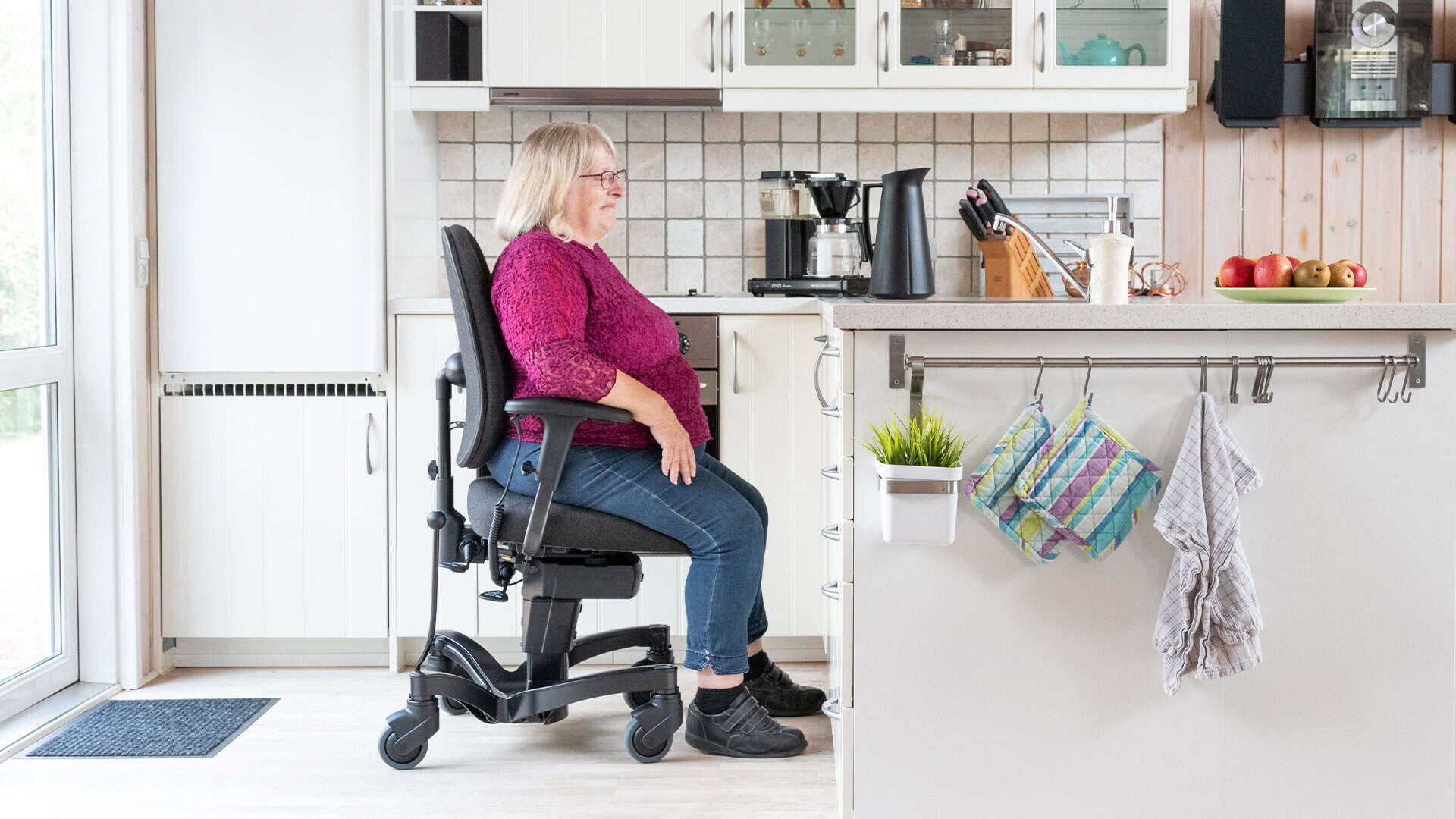
The challenges faced by nursing homes, particularly regarding autonomy and personalized care, highlight the importance of creating residential spaces that support aging in place. Senior independent living cottages are increasingly incorporating aides like medically approved mobility solutions. An example is the VELA Independence Chair, specifically designed for home use. This chair enhances safety with features like a central brake, allows freedom of movement while seated, and supports daily activities such as cooking and dressing. By reducing the physical load on informal caregivers, VELA can significantly contribute to a senior’s ability to live independently.
In addition, there is an increasing integration of in-home therapy technologies. Telehealth and virtual reality (VR) solutions are now enabling seniors to benefit from ongoing physical therapy and rehabilitation without leaving their cottages (National Institute on Aging / NIH, 2025). This empowers residents to maintain mobility, manage chronic conditions, and continue to live safely and comfortably at home.
User expectations also reflect a desire for connected communities: technology platforms now facilitate seamless access to caregiving resources, peer connections, and health monitoring, providing both privacy and the benefits of ongoing support (Harvard Medical School, 2025).
Key Takeaways for Families and Investors
The landscape of senior independent living cottages presents numerous opportunities and considerations:
- Growing Demand: Address the emerging need for additional senior housing units.
- Regulatory Compliance: Navigate local zoning requirements effectively and leverage home modification subsidies where available (Health Affairs Journal, 2025).
- Investment Insights: A thriving market invites significant investor interest, with many seeking to increase exposure in this sector.
- Design and Mobility: Ensure cottages are equipped with safety, mobility, and smart home features that cater to seniors’ evolving needs.
- Integrated Technology: Consider the added value of connected home systems, in-home therapy technologies, and platforms that foster community and individualized assistance.
In summary, offering both autonomy and proximity, senior independent living cottages are poised to play a significant role in addressing the housing needs of an aging population. Families contemplating this option should engage in thorough planning and consider both present and future needs, including potential integration of mobility solutions for seniors maintaining independence and smart technology, to enhance the living experience for their loved ones. Updated accessibility standards and the availability of home modification support can further facilitate long-term independence, comfort, and safety for seniors (World Health Organization, 2025 update).
For further guidance and consultation on senior home care options, explore resources and recommendations available on SeniorLiving.org.