

Updated January 2026: We have updated the article with new findings on AI-driven personalization, voice-activated smart kitchen technology, adaptive meal aids (such as ergonomic mugs and smart dispensers), AI health monitoring, telehealth policy extensions, VR cognitive rehabilitation, sustainable design, and tech-centric senior living models supporting independent meal preparation and safety.
Senior Independent Living with Meals: What to Expect in 2025
The landscape of senior living is undergoing significant transformation, embracing innovative trends that cater to the evolving preferences of older adults. As the population ages, the demand for senior independent living with meals is surging, offering solutions that promote autonomy and holistic well-being. According to SeniorLiving.org, seventy percent of older adults will require some form of long-term care, and roughly 9.5 million seniors live in care facilities each year. Independent living communities are often a more cost-effective alternative to traditional assisted living options, with estimated costs typically lower than those for assisted living facilities.
As we look towards the future, independent living communities are increasingly adopting advanced assistive technologies and AI-powered smart home systems to support autonomy, safety, and comfort for seniors with varied mobility or disabilities.[1] This now includes integrated smart home automation for environmental control (lighting, HVAC, smart access), health monitoring wearables, AI-powered fall detection, adaptive daily living aids, and smart medication management technologies. Recent advances feature voice-activated kitchen controls, adaptive utensils like ergonomic mugs for those with arthritis, and AI-driven meal planning, enabling hands-free meal prep and enhanced culinary independence for residents.[1]; [5]; [4] Culinary variety and flexible living arrangements remain at the forefront, with services increasingly tailored to demographic shifts highlighted by Meals on Wheels America. Communities commonly offer themed social nights and farm-to-table dining to boost engagement and resident satisfaction. As noted by LCSnet, the next generation of senior living residents is redefining retirement by embracing independence, personalization, inclusive technology, and intergenerational interaction.[4]
How do meal programs foster health and social connection?
The benefits of structured meal programs in these communities extend beyond mere nutrition; they are instrumental in fostering health and social connections. The Journal of Human Nutrition and Dietetics emphasizes that the ability to make healthy food choices, socialize, and enjoy a tasty meal in a warm and inviting dining environment enhances dignity and well-being among seniors. Advances in inclusive and ergonomic design—shaped by user feedback—now ensure that meal environments and devices are adapted to diverse physical abilities, supporting both independence and comfort.[6]; [3]; [5] Recent innovations such as adaptive meal aids—including Jamber ergonomic mugs designed for arthritis-friendly grip, smart dispensers for beverage and medication management, and voice-activated kitchen appliances—support fuller independent participation in meal preparation and consumption.[5]; [1]; [4] A real-world example can be seen in communities where residents gather for communal dining, resulting in stronger social bonds and reduced isolation. In practice, adaptive seating solutions like VELA chairs can significantly improve dining experiences for seniors by offering stability and preventing falls, ultimately encouraging independence during meals. Technology-driven solutions, including AI-enabled adaptive living aids, wearable fall detection, and biometric medication dispensers, enable safer and more satisfying meal times for a wider range of mobility challenges while integrating with telehealth and VR-based cognitive support.[8]; [4]; [8]
Costs, contracts & financial options for senior independent living
Understanding the financial landscape of independent living is crucial for making informed decisions. Typically, the costs involved are lower than those for assisted living, making it an attractive choice for many families. As detailed by SeniorLiving.org, independent living communities with meal services generally range from $2,000 to $4,000 per month, varying based on location and the amenities offered. Moreover, many communities implement tiered pricing models where additional services, such as upgraded meal plans or personalized care, incur extra fees. Families often explore financial avenues like long-term care insurance or even state-level assistance programs to manage these expenses. Increasingly, technology integration—including smart home systems, AI-powered adaptive kitchen aids, and digital health and medication management—is an optional, customizable feature, allowing residents to tailor technological support and service levels to their personal comfort and budget.[7]; [5]; [8]
Comparing local independent living communities: amenities & dining
When evaluating local independent living options, prospective residents and their families should consider the quality of dining services, the overall atmosphere, and the cleanliness of the facilities. Modern communities often stand out by offering smart home automation, advanced security, AI health monitoring, medication management solutions, biometric access for medication safety, VR cognitive programs, adaptive meal utensils, and flexible meal plans. These features significantly enhance convenience, safety, and well-being for residents, and align with new person-centric care models that replace traditional static levels of service.[2]; [4]; [8] User satisfaction is notably higher in communities that offer innovative technology integration—including voice assistants for kitchen safety—and inclusive dining programs, as highlighted by LCSnet. A comparative study of two local providers revealed stark differences in user satisfaction tied directly to their creative dining models, social engagement during meals, and the ability to opt into personalized safety and wellness support.[4]; [1] Wider adoption of smart technologies has been facilitated by growing digital literacy among seniors and ongoing policy expansion of telehealth and tech support programs.[3]
In conclusion, senior independent living with meals now offers a holistic environment where seniors can maintain autonomy, forge social connections, and benefit from innovative meal experiences empowered by technology. Communities increasingly emphasize resident-centered, optional tech adoption, and sustainable wellness, ensuring that diverse needs and preferences are met for current and future generations. Recent advancements in AI, predictive analytics, wearable devices, and regulatory guidance now focus on preserving dignity, personalizing care—including dynamic nutrition plans and AR navigation—and supporting independent living with energy-efficient kitchens and inclusive meal environments.[5]; [6]; [7]; [8] By exploring resources from trusted authorities like SeniorLiving.org and Meals on Wheels America, families can make well-informed decisions that align with their loved ones’ needs and preferences. This technology-driven, inclusive approach ensures that seniors not only live but thrive in their chosen communities.
Staying independent at home with support
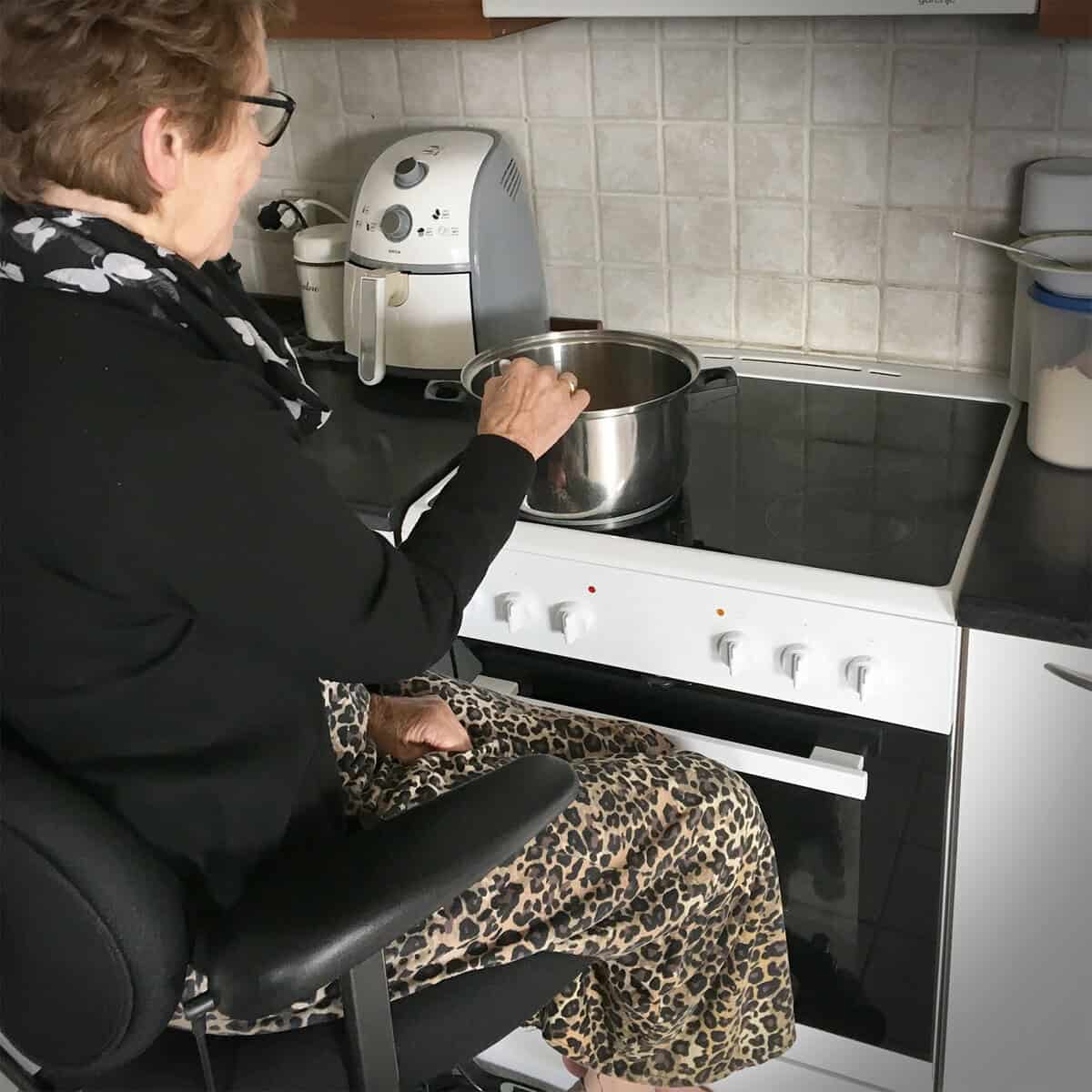
For many seniors, aging in place remains a preferred option over moving into a care facility. Tools like the VELA Chair offer crucial support that can delay the transition to nursing homes. Features such as a central brake ensure safety when transitioning from seat to stand, while electric height adjustability aids in meal preparation and other household tasks. The ease of movement while seated, facilitated by these adaptive chairs, not only enhances independence but also conserves energy, allowing seniors to engage in activities for longer periods. The adoption of AI-powered smart home technology, predictive health monitoring wearables, person-specific cognitive rehabilitation (including VR programs), voice-activated appliances, and personalized digital medication management with biometric security now further supports autonomy, safety, and medication adherence—reducing risks and enhancing the ability for seniors to stay at home independently.[6]; [7]; [4]; [5] The dignity and freedom provided by technological and ergonomic solutions is bolstered by digital coaching programs, caregiver apps, and opportunities for cocreation. While VELA is a proven solution, seniors can now also choose from a wide variety of adaptive, tech-centric, and accessible supports—including wearables, voice assistants, and energy-efficient home features—to maintain their independence and thrive while aging in place.