

Updated September 2025: We have updated the article with new information on AI-powered mobility aids, advanced brain-computer interface and robotic exoskeleton technology, emerging trends in senior living such as co-housing and middle-market housing, recent regulatory changes, and developments in ergonomic, eco-friendly home adaptations for supported independent living.
Empowering Lives Through SIL Supported Independent Living
Supported Independent Living (SIL) represents a transformative approach in the realm of disability care in Australia and beyond. As a significant component of the National Disability Insurance Scheme (NDIS), SIL services underscore autonomy and independent living for individuals with disabilities. According to the NDIS, SIL offers crucial assistance to those with significant support needs, ensuring they lead independent and fulfilling lives.
What is SIL and How Does It Transform Lives?
SIL is a robust framework designed to promote autonomy among individuals with disabilities by offering continuous, tailored support. Unlike intermittent care services, SIL ensures safety and skill development through daily living support and supervision. These principles are crucial for transitioning individuals into more independent living settings. As explained by United Disability, SIL encompasses services like personal care, household management, and financial planning assistance, all customized to individual needs.
Latest innovations in SIL and assistive technology
Recent advancements have significantly expanded the possibilities of SIL. Integration of smart and AI-powered assistive devices—such as wheelchairs equipped with adaptive controls, collision avoidance, health monitoring, and remote customization through apps—now enables greater autonomy and safety for users. Features like voice control and Bluetooth connectivity improve user independence. In addition, brain-computer interface (BCI) technology and robotic exoskeletons offer enhanced, intuitive mobility and rehabilitation options for people with physical disabilities. These new technologies are designed to adapt to each individual’s requirements, supporting a personalized and responsive care environment.
Everything Medical Online; Think Beyond the Chair; PubMed.
Practical Experience: A Day in SIL
Consider Sarah, a young adult with cerebral palsy, who has been living in an SIL arrangement. The structured support allows her to engage in daily activities such as cooking and personal care, with the assistance of support staff when required. This balanced approach empowers Sarah to participate actively in her local community, join social events, and develop crucial life skills.
Eligibility for SIL: Who Can Benefit and How?
Eligibility for SIL requires a comprehensive assessment focused on individuals with high support needs. Those eligible typically need 24/7 assistance to address daily activities. As highlighted by Rise, assessments consider both medical evaluations and personal circumstances, emphasizing the need for constant support. These assessments lead to life-altering transitions by enabling individuals to utilize SIL resources for improved independence.
Expertise in Assessment: Technical Overview
SIL assessment processes use industry-standard tools to determine care needs, including functional capacity evaluations and personalized care plans, ensuring that support is both adequate and individualized.
Empowering Independence: The Advantages of SIL
The benefits of SIL are expansive, offering increased independence, skill enhancement, and community integration. Participants gain by developing new capabilities that encourage self-reliance. By providing autonomy with requisite care, SIL helps individuals build confidence and engage more deeply with their communities. According to 9D Care, the transformative power of SIL is evident as participants master skills required for more complex, independent living situations.
Real-life Impact: Overcoming Challenges
James, who has autism, uses SIL to navigate daily living challenges. With the structured support of his SIL environment, he has learned to manage his grocery shopping and budgeting, displaying remarkable progress in achieving independence.
Current trends in senior living and accessibility
Modern SIL environments and senior housing increasingly incorporate ergonomic and inclusive design features. These include ramps, wider doorways, and adapted bathrooms, as well as eco-friendly building practices to promote aging in place and sustainability. Additionally, new models such as affordable middle-market and co-housing options are emerging, aiming to offer flexible, community-integrated support for a wide range of individuals, including ‘solo agers’ who wish to maintain independence. Community-based wellness checks, shared decision-making, and advocacy are also key elements of these evolving services.
Align Senior Care; McKnight’s Senior Living; Heisinger Bluffs.
Navigating SIL Funding: What You Need to Know
Understanding the financial dynamics of SIL is essential. Government funding, such as that from NDIS, typically covers support worker assistance and skill development but not personal living expenses like rent or utilities. As per the NDIS, understanding these financial boundaries ensures individuals maintain independence while managing personal expenses effectively.
Balancing Support and Costs: Transparency and Clarity
Potential SIL participants should work with financial advisors to develop a comprehensive budget, ensuring clarity between government funding and out-of-pocket expenses.
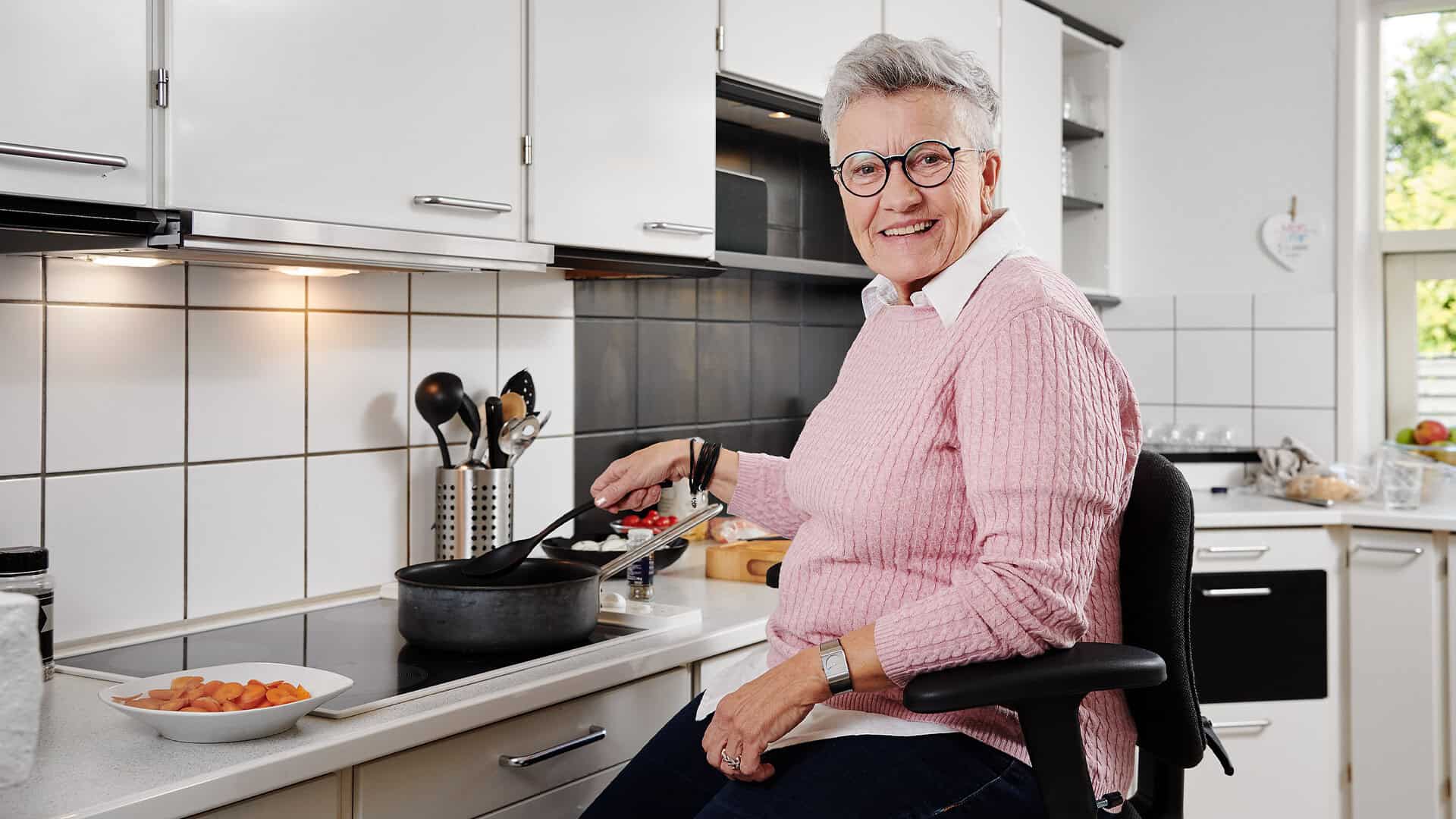
Challenges faced by individuals in traditional nursing homes underscore the increasing need for maintaining independence at home. Solutions like VELA chairs offer a transition to staying at home while overcoming barriers to independence. By integrating medically approved mobility chairs, such as VELA, individuals receive enhanced safety and freedom of movement while seated. These chairs support daily activities, such as cooking, dressing, and transferring, significantly reducing the burden on informal caregivers and augmenting the goals of Supported Independent Living.
Recent updates to regulations and care practices
New regulations and care standards emphasize medication safety, improved caregiver staffing ratios, and the implementation of personalized wellness programs. These changes are designed to promote higher quality care and support individual autonomy for those in SIL settings and senior communities.
Dosepacker.
How Mobility Solutions Like VELA Make a Difference
Mobility aids like the VELA Independence Chair present practical options for those preferring to age in place over transitioning to nursing homes. VELA Chairs promote safety and encourage prolonged independence by featuring a central brake for stability, electric height adjustability for ease in movements, and a design conducive to energy-saving during daily tasks.
This enhanced mobility and safety framework creates an environment where older adults can efficiently manage chores or leisure activities, detailing a life of dignity and freedom with minimized caregiver dependency. Utilizing solutions such as Supporting Independent Living with Mobility Aids and Senior Mobility Chairs for At-Home Use, individuals can overcome daily challenges safely and comfortably, potentially delaying the necessity for nursing home care. While VELA chairs represent a valuable mobility option, the overarching goal remains to provide a supportive home environment that respects and enhances individual autonomy.
Expanded options in technological support
Alongside ergonomically designed mobility chairs, the adoption of AI-powered devices, brain-controlled prosthetics, and advanced robotics is becoming central to supported independent living. These technologies provide adaptive, real-time assistance tailored to a user’s activities and environment, forming a bridge between personal independence and accessible support.
Everything Medical Online; Think Beyond the Chair; PubMed.
References
- Align Senior Care. Senior living trends in 2025: wellness, flexible models, and solo aging support.
- Everything Medical Online. The Latest Trends in Mobility Aid Technology for 2025: AI-enhanced smart wheelchairs and adaptive devices.
- Heisinger Bluffs. The Future of Senior Living: Aging in place, eco-friendly homes, and connected communities in 2025.
- Think Beyond the Chair. The Best Assistive Tech Gadgets in 2025: AI-powered smart glasses and brain-controlled prosthetics.
- McKnight’s Senior Living. Seven trends in senior living defining 2025 and beyond: middle-market housing, solo agers, and longevity wellness.
- PubMed (PMC). Recent trends in assistive technology for mobility: improved user-technology integration including powered wheelchairs and robotic exoskeletons.
- Dosepacker. The future of senior living in 2025: advanced technology, community living, compliance standards.