

Updated September 2025: We have updated the article to reflect the latest advancements in assistive technology, including AI-powered integrated devices, advanced prosthetics, and innovative wearable solutions for users with disabilities. The update highlights new user-centered design approaches, emerging VR/AR applications, and expanded real-time visual assistance services. We also address ongoing global challenges in assistive technology access and the role of inclusive policy and market reforms.
Understanding the Stavros Center for Independent Living: Mission and Scope
The Stavros Center for Independent Living stands as a pivotal resource for individuals with disabilities throughout Western Massachusetts, offering essential support that enables thousands to sustain autonomy at home. The organization’s mission centers on advocacy and empowerment, making significant strides in assisting people to transition from nursing homes back to their communities. A cornerstone of Stavros’s assistance framework involves peer counseling, which fundamentally reshapes personal journeys toward independence. For instance, Stavros has facilitated transitions from institutional care to community living, substantially transforming individual life courses and aligning with its advocacy mission.
Core Services: From Home Modifications to Personal Care Assistance
Stavros delivers a diverse array of services meticulously designed to address client needs. Key services encompass essential home modifications, Personal Care Attendant (PCA) program support, and advocacy for accessible housing. These services underpin the creation of environments where clients thrive independently. Specifically, Stavros has executed necessary home alterations, such as the installation of wheelchair-accessible ramps and bathroom adaptations. These interventions have been vital in enhancing safety and enabling clients to remain in their homes longer, thereby promoting aging in place.
Who Benefits: The Elderly and Disabled Population Profile in Western Massachusetts
Within Western Massachusetts, the elderly, particularly those over 65, are significant beneficiaries of Stavros’s initiatives. This demographic often includes individuals with mobility challenges, chronic diseases like arthritis or diabetes, and disabilities resultant from strokes or neurological conditions. Many seniors are low to moderate-income earners relying on programs like MassHealth for support. The preference among these individuals to age in place is indicative of a broader desire to maintain independence and quality of life, which Stavros supports by ensuring access to necessary resources and services.
How to Access Independent Living Support and Funding Options
Navigating access to independent living support through Stavros involves understanding various eligibility criteria and program processes, such as those for PCA services and home modification loans. Stavros collaborates extensively with local agencies to streamline service accessibility. Many served by Stavros express gratitude for the comprehensive assistance provided, which includes both individualized guidance and direct aid in securing funding, essential services, and adaptive solutions tailored to users’ needs.
Smooth Transition into VELA Integration
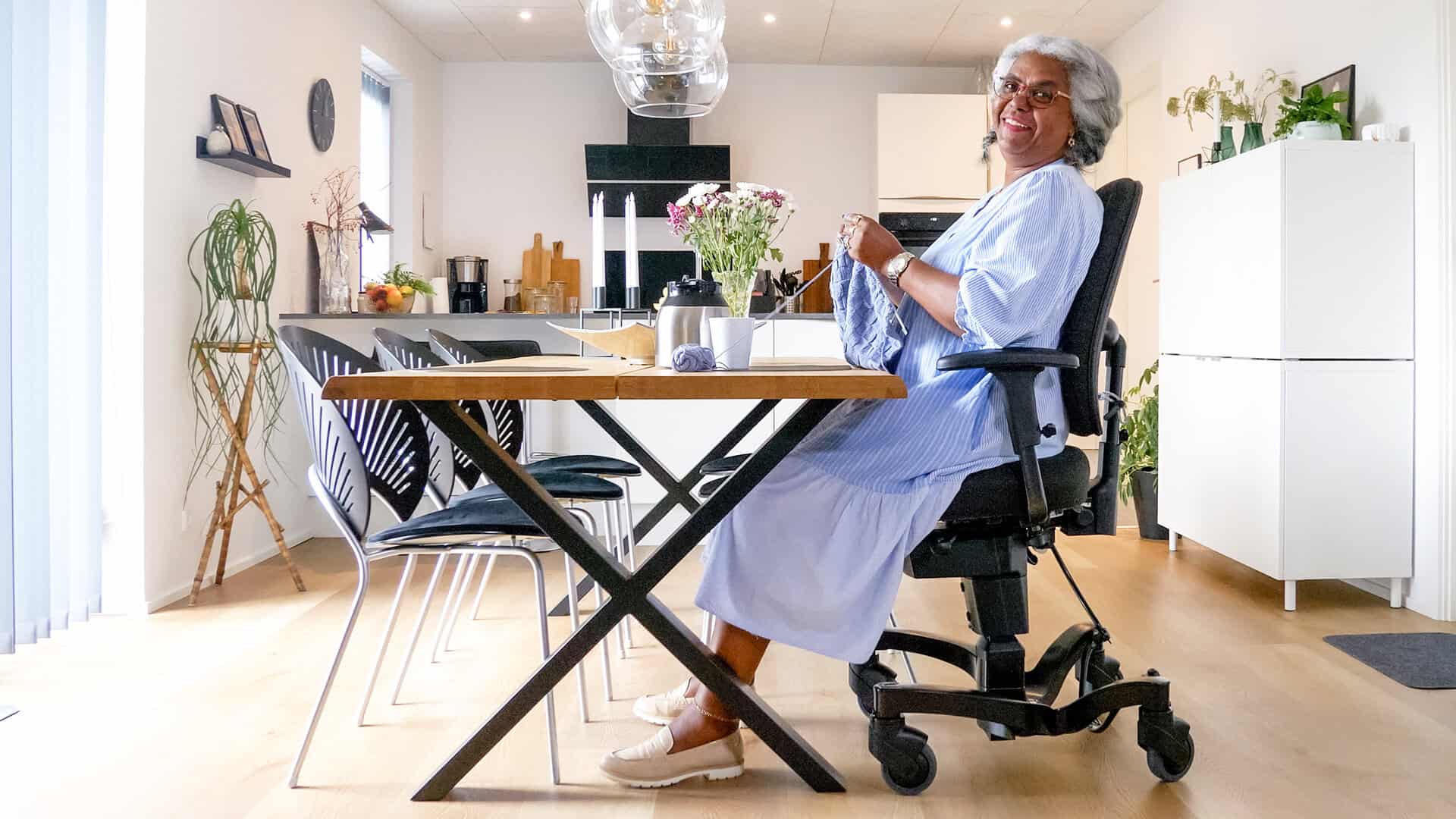
In transitioning away from the challenges of nursing homes, individuals often seek solutions that allow them to stay independent within their familiar home environments. One such solution is the integration of innovative assistive technologies, such as the VELA Independence Chair. These medically approved mobility chairs are specifically designed to enhance home use by providing greater safety, freedom of movement while seated, and support for daily activities such as cooking, dressing, and transferring—all of which aim to reduce the physical demands on informal caregivers.
Home Modifications and Assistive Technology for Independent Living
Stavros underscores the importance of integrating assistive technology—such as VELA chairs—to foster autonomy. These technologies significantly enhance safety, independence, and mobility, contributing to Stavros’s mission of empowering individuals to sustain household independence and mitigate fall risks.
Recent advancements in assistive technology have further broadened opportunities for independent living. Integrated, AI-powered devices such as Envision’s conversational AI assistants and smart glasses, like Meta’s Ray-Ban with Live AI, now support real-time environmental description and object identification to assist users with visual impairments. Advanced prosthetics and wearables, including the Bio Leg robotic knee and Bling speech converter, offer increased comfort, natural movement, and expanded communication capabilities for individuals with mobility and speech disabilities. Assistive tools such as XanderGlasses Connect deliver real-time speech-to-text captioning, translation, and sound detection, benefitting those with hearing impairments and providing cognitive support. These solutions highlight the trend toward multimodal technologies, combining vision, hearing, speech, and mobility assistance within a cohesive ecosystem. Services such as Aira also now offer live human agent support through smartphones or smart glasses, enabling more accessible navigation in daily environments, education, public transport, and retail sectors.
The latest research also emphasizes inclusive, user-centered design, with individuals with disabilities actively involved in the co-creation of new technologies to maximize usability and adoption. The use of virtual and augmented reality is emerging as a practical tool for rehabilitation and user training. Although technology continues to progress, global challenges remain in ensuring equitable access to essential assistive products. The 2025 Assistive Products Market Report highlights persistent barriers in affordability and availability, especially in low- and middle-income regions, and calls for systemic reforms in policy and distribution to improve access to both traditional and digital assistive devices.
Sources: Let’s Envision (2025); Connsense Report (2025); Innocation (2025); First Aid for the Blind (2025); Clinton Health Access Initiative & ATscale (2025); Journal of Visual Impairment & Blindness (2025); Disability and Health Journal.
Supporting Aging in Place: A Practical Option
Living independently at home is a cherished goal for many seniors, one that can be more easily attained with supportive solutions such as the VELA Independence Chair. This chair is renowned for its features designed to combat common challenges faced by the elderly, including safety and energy conservation. With a central brake for stability, electric height adjustability for optimal reach, and ease of movement while seated, the chair addresses significant risks like falls, thereby extending the time seniors can safely live at home. This alleviates some care burdens on family and friends and upholds the dignity and freedom of those who wish to age in place. While VELA is an outstanding option, it serves as part of a broader range of solutions available to support independent living.